Compare models
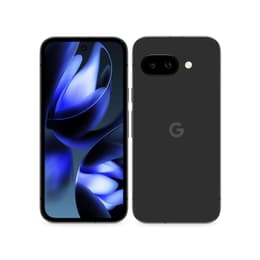
Galaxy S23 FE vs Google Pixel 9a
- 1-year warranty
- Free standard shipping
- Free 30-day returns
Differences at a glance
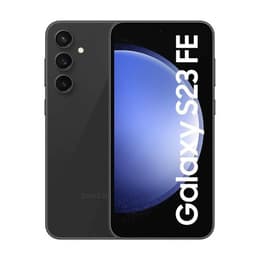
The Samsung Galaxy S23 FE (2023) and the Google Pixel 9a (2025) represent two distinct approaches to delivering modern smartphone capabilities without leaning into top-tier flagship categorization. While both devices serve users seeking reliable everyday performance, they differ notably in their release timelines, software ecosystems, and hardware philosophies. The Galaxy S23 FE runs on Android with Samsung's customized interface, whereas the Google Pixel 9a offers a clean software environment directly from the developer.
Users evaluating these models will find distinct differences in how each device manages physical dimensions, visual output, and daily utility. Choosing between them depends on individual preferences for software styling, physical handling, and long-term device support.
Available Models
Colour
Storage (GB)
Scores
Durability
When examining hardware longevity and software support, both models provide distinct lifespans influenced by their respective release years and manufacturer policies.
- Software support timelines: The Google Pixel 9a benefits from a later release year and a prolonged update commitment, ensuring security and operating system updates for several years. The Galaxy S23 FE launched earlier, meaning its overall support window concludes sooner than its competitor.
- Repairability and build durability: Both smartphones utilize robust frame constructions and glass fronts, though serviceability varies slightly by component availability. Choosing a quality-assured refurbished option from Back Market extends the functional lifecycle of either device while supporting sustainable consumption habits.
- Expected practical lifespan: Battery degradation and component wear will dictate the practical usability of both units over time, with the newer release retaining peak operational status further into the future for everyday tasks.
Release year
2023
2025
Operating system
Android
Android
Foldable
No
No
Performance
Daily responsiveness and multitasking capabilities vary based on internal hardware configuration and software optimization across both handsets.
- App loading and multitasking: Both devices handle daily applications, web browsing, and switching between multiple active tasks smoothly. Storage configurations vary, affecting how many media files and applications can be stored locally without relying on cloud storage services.
- Battery behavior during typical use: The Galaxy S23 FE features a battery capacity designed to sustain standard daily usage, though intensive tasks drain power more rapidly. The Google Pixel 9a utilizes efficient power management to maintain consistent battery performance throughout a full day of standard operation.
- Thermal efficiency and sustained operation: Both phones manage heat effectively during prolonged tasks, though demanding applications may cause temporary warming during extended gaming sessions or navigation use.
Screen quality
Visual output and display characteristics differ in panel technology, brightness handling, and physical dimensions between the two models.
- Display technology and clarity: Both models utilize vibrant OLED panels that deliver deep contrast levels and vivid color reproduction for media consumption, reading, and web browsing.
- Outdoor visibility and refresh rates: High peak brightness levels on both displays ensure legibility under direct sunlight. Smooth scrolling is maintained through adaptive refresh rates that adjust dynamically based on the active content on screen.
- Physical dimensions: The Galaxy S23 FE and Pixel 9a offer different screen sizes and overall footprints, influencing how comfortably each device fits into pockets or is operated with one hand during transit.
Resolution
1080 x 2340
1080x2424
Screen type
Dynamic AMOLED 2X
P-OLED
Audiovisual
Imaging hardware and audio reproduction capabilities cater to different multimedia preferences and everyday documentation needs.
- Camera system versatility: The Galaxy S23 FE includes a dedicated telephoto lens for optical zoom capabilities, while the Google Pixel 9a relies on advanced computational processing to handle everyday photography and wide-angle captures effectively.
- Low-light and video performance: Both smartphones capture detailed images in challenging lighting conditions and support stable high-definition video recording suitable for casual content creation and video calls.
- Audio output and microphones: Stereo speakers on both devices provide clear sound for media playback, and integrated microphone arrays ensure intelligible voice pickup during phone calls and audio recording.
Miscellaneous
Practical physical and connectivity features shape the day-to-day usability of each handset outside of core computing tasks.
- Connectivity standards: Both models support current 5G networks, modern Wi-Fi protocols, and Bluetooth standards for reliable peripheral pairing and fast data transfer.
- Biometrics and sensors: Security is managed via responsive under-display fingerprint sensors and facial recognition options, supported by standard motion and orientation sensors.
- Physical handling: Weight distribution, button placement, and bezel dimensions differ slightly, impacting how the devices feel during prolonged one-handed use or travel.
Weight
209 oz
186 oz
Screen size (in)
6.4
6.3
Network
5G
5G
SIM card
Physical SIM
Physical SIM + eSIM
Carrier compatibility
Unlocked
Unlocked
What the community thinks
User discussions across online communities highlight distinct preferences for each device based on everyday priorities. Owners of the Galaxy S23 FE frequently praise its versatile camera setup, which includes a dedicated optical zoom lens, alongside its familiar display quality. Conversely, common discussions surrounding the Google Pixel 9a emphasize its clean software interface, efficient battery management, and extended update lifecycle stemming from its newer release date. Some critics note that the Galaxy S23 FE can feel heavier during prolonged handheld use, while others point out that the Pixel 9a lacks physical telephoto hardware for distant subjects.
Users prioritizing a clean software environment and prolonged update support will find the Google Pixel 9a well-suited to their needs, while users prioritizing physical zoom capabilities in photography may lean toward the Galaxy S23 FE. Evaluating these aspects against personal usage habits ensures an informed decision. Opting for a quality-assured refurbished model provides a sustainable choice that aligns both technology acquisition and environmental responsibility.