
Galaxy S22+ 5G vs iPhone 11

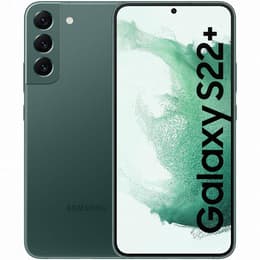
Galaxy S22+ 5G
Galaxy S22+ 5G
Starting at

Refurbished price:A$389.00

Versus A$1,690.00 new

See options
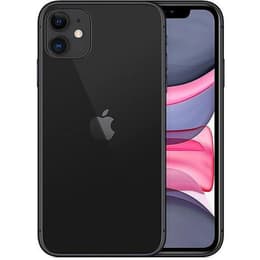
iPhone 11
iPhone 11
Starting at

Refurbished price:A$246.00

Versus A$769.00 new

See options

Ratings

The Samsung Galaxy S22 Plus 5G, released in February 2022, and the Apple iPhone 11, launched in September 2019, represent different generations and ecosystems within the smartphone market. While both devices offer robust performance for their respective eras, the Galaxy S22 Plus 5G introduces a more advanced display, 5G connectivity, and a versatile camera system, whereas the iPhone 11 provides a streamlined user experience within Apple's iOS ecosystem. The Galaxy S22 Plus 5G operates on Android, while the iPhone 11 runs on iOS.

Scores

Durability

The longevity of a smartphone is influenced by its release date, software support, and physical resilience. These two devices, separated by over two years, offer different timelines for expected usability.

  • Release Timeline: The iPhone 11, released in September 2019, is an older device compared to the Galaxy S22 Plus 5G, which launched in February 2022. This difference in release directly impacts their remaining software support and overall practical lifespan.
  • Software Longevity: The iPhone 11 is expected to receive major iOS updates until approximately Fall 2026, with security updates continuing for an additional year or two. [14, 36, 39] The Galaxy S22 Plus 5G, launched with Android 12, was pledged to receive four years of OS updates, likely extending its major Android version support until around early 2026. [10, 18, 25]
  • Physical Durability: Both devices feature an IP68 rating for water and dust resistance, meaning they can withstand submersion in water up to a certain depth for a limited time. [2, 16] The Galaxy S22 Plus 5G incorporates Gorilla Glass Victus+ for enhanced screen protection, while the iPhone 11 uses a dual-ion exchange-strengthened glass. [16, 26]

Release year

2022

2019

Compatible with latest Update

Yes

Yes

Operating system

Android

iOS

Foldable

No

No

Performance

Performance is a key aspect for daily use, affecting everything from app responsiveness to handling demanding tasks. Both phones deliver capable experiences, though with different underlying architectures.

  • Processing Power: The Galaxy S22 Plus 5G is equipped with a more recent generation processor, either a Qualcomm Snapdragon 8 Gen 1 or an Exynos 2200 depending on the region. [10, 16, 28] This allows it to handle demanding applications, intensive multitasking, and graphics-heavy games with smooth performance. The iPhone 11 features an A13 Bionic chip, which was a leading processor at its release, providing a fluid experience for everyday tasks and many applications. [1, 2, 3, 13]
  • System Responsiveness: Users of the Galaxy S22 Plus 5G generally report top-of-the-line performance, with quick app loading and seamless transitions. [9] The iPhone 11 also offers a very responsive user experience, with users noting its speed and smoothness for general navigation and app usage. [32]
  • Storage and Multitasking: The Galaxy S22 Plus 5G offers configurations with 8GB or 12GB of RAM, supporting extensive multitasking without significant slowdowns, alongside storage options up to 512GB. [16, 26] The iPhone 11 comes with 4GB of RAM and storage options up to 256GB, which is sufficient for typical daily use and a reasonable number of background applications. [2, 4, 11, 15]

Memory (GB)

8 GB

4 GB

Screen quality

The display is the primary interface for interacting with a smartphone, and both devices offer distinct visual experiences.

  • Display Technology and Clarity: The Galaxy S22 Plus 5G features a 6.6-inch Dynamic AMOLED 2X display, known for its vibrant colors, deep blacks, and excellent contrast. [16, 26] The iPhone 11 has a 6.1-inch Liquid Retina HD LCD display, which provides accurate colors and good viewing angles, though it does not achieve the same level of contrast as an OLED panel. [1, 2, 19]
  • Brightness and Refresh Rate: The Galaxy S22 Plus 5G boasts a high peak brightness of 1750 nits, making it highly visible even in bright outdoor conditions, and features a 120Hz refresh rate for exceptionally smooth scrolling and animations. [26] The iPhone 11 offers a maximum brightness of 625 nits and a standard 60Hz refresh rate, which is adequate for most users but less fluid than higher refresh rate displays. [1, 20]
  • Viewing Experience: The larger AMOLED screen of the Galaxy S22 Plus 5G, combined with its high refresh rate, offers an immersive viewing experience for media consumption and gaming. The iPhone 11's LCD screen, while clear and color-accurate, provides a more traditional smartphone viewing experience. [19, 29]

Resolution

1080 x 2340

828 x 1792

Screen type

Dynamic AMOLED 2X

Liquid Retina IPS LCD

Audiovisual

Camera capabilities are a significant factor for many users, and both phones provide strong photographic and videographic tools, albeit with different strengths.

  • Rear Camera Systems: The Galaxy S22 Plus 5G features a versatile triple-camera setup, including a 50MP wide-angle lens, a 10MP telephoto lens with 3x optical zoom, and a 12MP ultrawide lens. [16, 18, 27] This configuration allows for greater flexibility in capturing different types of shots, from distant subjects to expansive landscapes. The iPhone 11 has a dual-camera system with a 12MP wide-angle and a 12MP ultrawide lens, offering a broad field of view. [1, 2, 5]
  • Photography Performance: The Galaxy S22 Plus 5G is praised for its excellent zoom capabilities, clarity, and color reproduction, with 8K video recording at 24fps. [18, 27, 37] The iPhone 11 introduced significant advancements in low-light photography with its Night mode and improved Smart HDR, allowing for brighter and more detailed images in challenging conditions, and supports 4K video recording up to 60fps. [1, 7, 29]
  • Front Camera and Audio: Both devices feature capable front-facing cameras for selfies and video calls. The Galaxy S22 Plus 5G has a 10MP front camera, while the iPhone 11 has a 12MP TrueDepth front camera. [1, 16, 18] For audio, the Galaxy S22 Plus 5G offers clear speaker output, though some users note it can be slightly tinny at higher volumes. [10] The iPhone 11 provides stereo recording for videos. [1]

Main camera

50 megapixels

12 megapixels

Front camera

10 megapixels

12 megapixels

Miscellaneous

Beyond core features, several practical elements contribute to the overall user experience and daily convenience of a smartphone.

  • Connectivity and Ports: A significant difference is the Galaxy S22 Plus 5G's support for 5G cellular networks, offering faster data speeds where available, along with Wi-Fi 6E and Bluetooth 5.2. [16, 26, 42] The iPhone 11 supports Gigabit-class LTE, Wi-Fi 6, and Bluetooth 5.0, but lacks 5G connectivity. [1, 13, 23] The Galaxy S22 Plus 5G uses a USB-C port, while the iPhone 11 uses Apple's proprietary Lightning connector. [13, 18]
  • Biometric Security: The Galaxy S22 Plus 5G features an in-display ultrasonic fingerprint sensor for secure unlocking. [26] The iPhone 11 relies on Face ID, Apple's facial recognition system, which is noted for its accuracy and speed. [13, 32]
  • Design and Handling: Both phones feature premium build materials, with glass backs and metal frames. The Galaxy S22 Plus 5G has a slightly larger screen and a more modern design aesthetic. The iPhone 11 is slightly thicker and heavier than some newer models. [2, 3, 4, 22, 26]

Weight

227 oz

194 oz

Screen size (in)

6.6

6.1

Network

5G

4G

SIM card

Physical SIM + eSIM

Physical SIM + eSIM

Carrier compatibility

Unlocked

Unlocked

Connector

USB-C

Lightning

The Samsung Galaxy S22 Plus 5G and the iPhone 11 cater to different user preferences and priorities, largely due to their release dates and operating systems. Users often praise the Galaxy S22 Plus 5G for its top-tier performance, vibrant AMOLED display with a high refresh rate, and versatile camera system, including a telephoto lens. [9, 37] Its 5G capability and fast charging are also frequently highlighted as benefits. Some initial user concerns about battery life were noted, though many found it sufficient for a full day's use after optimization. [37, 40]

The iPhone 11 is generally lauded for its consistent performance, user-friendly iOS ecosystem, and significant camera improvements like Night mode, which was a major draw at its release. [29, 32] Its battery life was also considered good by many users. [32] Common criticisms include its LCD display technology and 60Hz refresh rate, which are less advanced than newer phones, and the absence of 5G connectivity. [20, 22]

Users prioritizing the latest display technology, faster cellular speeds, and a more comprehensive camera setup with optical zoom may find the Galaxy S22 Plus 5G better suited to their needs. Its Android operating system also offers greater customization. Conversely, users who prefer the intuitive and integrated experience of iOS, value consistent software updates, and are content with a capable dual-camera system and a standard refresh rate display, might lean towards the iPhone 11. Both devices, especially when considering a quality-assured refurbished option, offer reliable smartphone experiences for different user profiles.
See all articles

Our recent comparisons