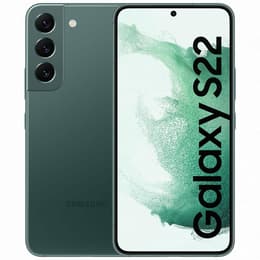
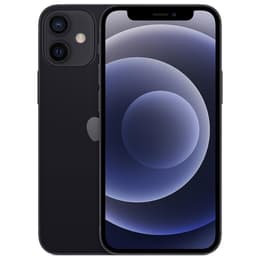

Galaxy S22 5G vs iPhone 12 mini

Galaxy S22 5G
Galaxy S22 5G
Starting at

Refurbished price:A$353.00

Versus A$1,189.00 new

See options
iPhone 12 mini
iPhone 12 mini
Starting at

Refurbished price:A$277.00

Versus A$929.00 new

See options

Ratings

The Samsung Galaxy S22 5G, released in February 2022, and the iPhone 12 Mini, launched in November 2020, are both compact flagship smartphones from their respective ecosystems. While the Galaxy S22 5G runs on the Android operating system, the iPhone 12 Mini operates on iOS. The primary distinctions between these two devices lie in their physical size, display technology, and camera capabilities, catering to different user preferences.

Scores

Durability

When considering the long-term usability of these devices, their release timelines and software support are key factors.

  • Release and Software Support: The iPhone 12 Mini, released in late 2020, shipped with iOS 14 and is expected to receive software updates, including major iOS versions, for several years, with compatibility extending to iOS 26. The Galaxy S22 5G, launched in early 2022, came with Android 12 and is promised four major Android OS upgrades, with Android 16 being the final major OS upgrade, and five years of security updates, concluding around 2027.
  • Physical Durability: Both devices offer robust build quality. The Galaxy S22 5G features Gorilla Glass Victus+ on both its front and back, complemented by an aluminum frame, and carries an IP68 rating for dust and water resistance. The iPhone 12 Mini is equipped with a Ceramic Shield front cover, a glass back, and an aluminum frame, also boasting an IP68 rating for water and dust resistance.
  • Repairability: The iPhone 12 Mini has a repairability score of 6 out of 10, indicating that while major components like the display and battery are designed for easier replacement, certain aspects like the fragile glass back can complicate repairs.

Release year

2022

2020

Compatible with latest Update

Yes

Yes

Foldable

No

No

Performance

Both the Galaxy S22 5G and the iPhone 12 Mini deliver strong performance, though they approach it from different hardware and software perspectives.

  • System Responsiveness: The Galaxy S22 5G is equipped with 8GB of RAM and offers internal storage options of 128GB or 256GB, providing a smooth experience for multitasking and running demanding applications. The iPhone 12 Mini features 4GB of RAM and is available with 64GB, 128GB, or 256GB of internal storage, ensuring efficient handling of everyday tasks and applications.
  • Battery Behavior: The Galaxy S22 5G includes a 3700 mAh battery, supporting 25W wired fast charging and 15W wireless charging. The iPhone 12 Mini has a smaller 2227 mAh battery, which for heavy users may necessitate more frequent charging. It supports 20W wired fast charging and 12W MagSafe wireless charging.
  • Everyday Usage: Users of both devices can expect fluid navigation, quick app loading, and capable handling of mobile gaming and multimedia consumption. The iPhone 12 Mini's performance is noted to be top-notch, with no lag experienced even during intensive use like 4K video recording or gaming.

Memory (GB)

8 GB

4 GB

Screen quality

The visual experience on these two smartphones is distinct, primarily due to differences in screen size and refresh rate technology.

  • Display Technology: The Galaxy S22 5G features a 6.1-inch Dynamic AMOLED 2X display, known for its vibrant colors and deep blacks. The iPhone 12 Mini comes with a 5.4-inch Super Retina XDR OLED display, which also provides rich colors and excellent contrast.
  • Resolution and Brightness: The Galaxy S22 5G offers a resolution of 1080 x 2340 pixels, resulting in a pixel density of approximately 425 pixels per inch (ppi), with a peak brightness of 1300 nits for clear outdoor visibility. The iPhone 12 Mini has a resolution of 2340 x 1080 pixels, yielding a higher pixel density of about 476 ppi, and reaches a peak brightness of 1200 nits for HDR content.
  • Refresh Rate and Viewing Experience: The Galaxy S22 5G benefits from an adaptive 120Hz refresh rate, contributing to smoother scrolling and more fluid animations. The iPhone 12 Mini has a standard 60Hz refresh rate. The smaller screen of the iPhone 12 Mini is ideal for one-handed use, while the Galaxy S22 5G offers a slightly larger canvas for media.

Resolution

1080 x 2340

1080 x 2340

Screen type

Dynamic AMOLED 2X

Super Retina XDR OLED

Audiovisual

Both smartphones offer capable camera systems, but they differ in their configurations and specialized features.

  • Rear Camera Systems: The Galaxy S22 5G is equipped with a versatile triple-camera setup on the rear, including a 50-megapixel wide-angle lens, a 10-megapixel telephoto lens with 3x optical zoom, and a 12-megapixel ultrawide lens. The iPhone 12 Mini features a dual-camera system with a 12-megapixel wide-angle lens and a 12-megapixel ultrawide lens.
  • Photography Performance: The Galaxy S22 5G's telephoto lens allows for optical zoom, providing clearer zoomed-in shots. The iPhone 12 Mini's camera system is noted for producing excellent photos with good detail, vibrant colors, and improved low-light performance compared to older models, with Night Mode available on all cameras.
  • Video Recording and Front Camera: The Galaxy S22 5G supports 8K video recording. The iPhone 12 Mini can record 4K video at up to 60 frames per second and supports Dolby Vision HDR video recording at up to 30 frames per second, offering enhanced dynamic range. Both devices feature capable front-facing cameras for selfies and video calls, with the Galaxy S22 5G having a 10-megapixel front camera and the iPhone 12 Mini a 12-megapixel front camera.

Main camera

50 megapixels

12 megapixels

Front camera

10 megapixels

12 megapixels

Miscellaneous

Beyond core features, several practical elements differentiate the user experience of these two devices.

  • Connectivity and Ports: Both the Galaxy S22 5G and iPhone 12 Mini support 5G cellular connectivity and Wi-Fi 6 for fast wireless internet. The Galaxy S22 5G uses Bluetooth 5.2, while the iPhone 12 Mini uses Bluetooth 5.0. The Galaxy S22 5G features a USB-C port for charging and data transfer, whereas the iPhone 12 Mini utilizes Apple's proprietary Lightning port.
  • Biometric Security and Design: The Galaxy S22 5G incorporates an in-screen fingerprint sensor for biometric authentication. The iPhone 12 Mini relies on Face ID for secure unlocking and authentication. The iPhone 12 Mini also includes MagSafe technology, allowing for magnetic attachment of accessories and chargers.
  • Physical Characteristics: The Galaxy S22 5G measures 146 x 70.6 x 7.6 mm and weighs 167 grams, offering a balanced feel in hand. The iPhone 12 Mini is notably more compact and lighter, with dimensions of 131.5 x 64.2 x 7.4 mm and a weight of 135 grams, making it particularly suitable for one-handed use.

Weight

195 oz

133 oz

Screen size (in)

6.6

5.4

SIM card

Physical SIM + eSIM

Physical SIM + eSIM

Carrier compatibility

Unlocked

Unlocked

Connector

USB-C

Lightning

User feedback for the iPhone 12 Mini often highlights its compact form factor, excellent performance, and capable camera system as significant advantages. However, a frequent criticism revolves around its battery life, which some users find to be less than ideal for extended heavy use. The Galaxy S22 5G generally receives praise for its vibrant display, versatile camera system with optical zoom, and overall smooth performance.

For individuals prioritizing a small, lightweight device that is easy to operate with one hand and fits comfortably in smaller pockets, the iPhone 12 Mini presents a compelling option. Its iOS ecosystem and strong camera performance in a compact package are key draws. Conversely, users who prefer a slightly larger display with a higher refresh rate for smoother visuals, a telephoto camera for enhanced zoom capabilities, and the Android operating system may find the Galaxy S22 5G better suited to their needs. Both devices offer robust features for daily use, and choosing between them often comes down to personal preference regarding size, operating system, and specific camera functionalities.

For those considering either of these capable smartphones, exploring quality-assured refurbished options can be an eco-friendly alternative to purchasing new, providing access to these features in a sustainable way.
See all articles

Our recent comparisons