
Galaxy S21 FE 5G vs iPhone 11

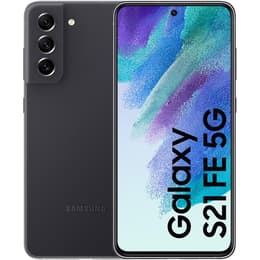
Galaxy S21 FE 5G
Galaxy S21 FE 5G
Starting at

Refurbished price:A$328.00

Versus A$1,252.00 new

See options
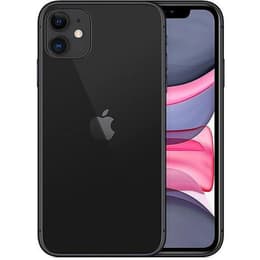
iPhone 11
iPhone 11
Starting at

Refurbished price:A$246.00

Versus A$769.00 new

See options

Ratings

The Samsung Galaxy S21 FE 5G, released in January 2022, and the Apple iPhone 11, launched in September 2019, represent two distinct approaches to smartphone design and functionality. While both devices offer a comprehensive smartphone experience, they differ significantly in their operating systems, display technology, and connectivity options. The Galaxy S21 FE operates on Android, while the iPhone 11 runs on Apple's iOS platform.

Scores

Durability

The longevity of a smartphone is often determined by its software support and physical durability.

  • Software Updates: The Galaxy S21 FE 5G launched with Android 12 and was promised four years of major OS updates and five years of security updates from Samsung. This means it is expected to receive OS updates up to Android 16 and security patches until January 2027. As of February 2026, its security updates have transitioned to a quarterly schedule. The iPhone 11, released with iOS 13, typically receives major iOS updates for approximately five to seven years. It is anticipated to support iOS 26 (released in 2025) but likely not iOS 27, extending its major OS support until late 2026. Apple often provides security updates for several years beyond major OS updates.
  • Physical Durability: Both devices feature an IP68 rating for dust and water resistance, indicating protection against immersion in water. The Galaxy S21 FE 5G incorporates Gorilla Glass Victus on its front for enhanced screen protection. The iPhone 11 also uses a durable glass construction for its front and back.
  • Expected Lifespan: Given their respective update policies, the iPhone 11, despite its earlier release, is projected to receive major software support for a similar or slightly longer duration than the Galaxy S21 FE 5G, with security updates potentially extending further for both devices.

Release year

2022

2019

Compatible with latest Update

Yes

Yes

Operating system

Android

iOS

Foldable

No

No

Performance

Performance is a key factor for daily usability, influencing how smoothly applications run and how efficiently tasks are handled.

  • Processing Power: The Galaxy S21 FE 5G is equipped with a processor that was considered current-generation at its release, enabling it to handle demanding applications and multitasking effectively. Users generally report smooth performance for everyday tasks and gaming. The iPhone 11 features a processor known for its consistent and responsive performance, maintaining fluidity even years after its initial launch.
  • Multitasking and Storage: The Galaxy S21 FE 5G is available with 6GB or 8GB of RAM, supporting efficient multitasking. Storage options include 128GB and 256GB. The iPhone 11 comes with 4GB of RAM, which provides a smooth experience for most users, though some heavy multitasking scenarios might occasionally show minor slowdowns. It offers storage capacities of 64GB, 128GB, and 256GB.
  • Thermal Management: Some users of the Galaxy S21 FE 5G have noted that the device can experience some warming during light usage. The iPhone 11 generally maintains stable thermal performance during typical use.

Memory (GB)

8 GB

4 GB

Screen quality

The display is the primary interface for interaction, and its quality significantly impacts the user experience.

  • Display Technology: The Galaxy S21 FE 5G features a 6.4-inch Dynamic AMOLED 2X display, which offers deep blacks, high contrast, and vibrant colors. The iPhone 11 utilizes a 6.1-inch Liquid Retina IPS LCD display, known for its color accuracy and wide viewing angles.
  • Resolution and Refresh Rate: The Galaxy S21 FE 5G provides a resolution of 1080 x 2400 pixels and a 120Hz refresh rate, resulting in sharp images and smooth scrolling and animations. The iPhone 11 has a resolution of 828 x 1792 pixels and a standard 60Hz refresh rate.
  • Brightness and Clarity: The Galaxy S21 FE 5G offers good outdoor visibility with a typical peak brightness of up to 800 nits, with some sources indicating up to 1200 nits. The iPhone 11 has a typical maximum brightness of 625 nits, which is generally sufficient for indoor use and adequate for most outdoor conditions, though it may be less visible in direct sunlight compared to the S21 FE.

Resolution

1080 x 2340

828 x 1792

Screen type

Dynamic AMOLED 2X

Liquid Retina IPS LCD

Audiovisual

Camera capabilities are a significant consideration for many users, impacting the quality of photos and videos captured.

  • Rear Camera System: The Galaxy S21 FE 5G features a versatile triple-lens rear camera setup, including a 12MP wide, 12MP ultrawide, and an 8MP telephoto lens with 3x optical zoom. This allows for a range of photographic perspectives, from expansive landscapes to detailed close-ups. The iPhone 11 has a dual-lens rear camera system, comprising a 12MP wide and a 12MP ultrawide lens. It lacks a dedicated telephoto lens, relying on digital zoom for magnification.
  • Photography Performance: Both devices deliver good photo quality in well-lit conditions, producing detailed and color-accurate images. The iPhone 11 includes a Night Mode feature that enhances low-light photography. The Galaxy S21 FE 5G also performs well in various lighting, though some users note the telephoto lens can be less reliable in low light.
  • Video Recording and Audio: The Galaxy S21 FE 5G supports 4K video recording at 30 frames per second (fps) across all its rear cameras, with the wide camera also capable of 60fps. The iPhone 11 is recognized for its strong video capabilities, recording 4K at 60fps with effective stabilization. Both devices offer competent microphone quality for calls and recording, and their speaker outputs provide a satisfactory media consumption experience.

Main camera

12 megapixels

12 megapixels

Front camera

32 megapixels

12 megapixels

Miscellaneous

Beyond core features, several practical elements contribute to the overall user experience and device utility.

  • Connectivity: The Galaxy S21 FE 5G supports 5G networks, offering faster mobile data speeds in areas where 5G is available. The iPhone 11 is limited to 4G LTE connectivity. Both devices support Wi-Fi 6 and Bluetooth 5.0.
  • Ports and Biometrics: The Galaxy S21 FE 5G uses a USB-C port for charging and data transfer and features an under-display optical fingerprint sensor for secure unlocking. The iPhone 11 utilizes Apple's proprietary Lightning port and relies on Face ID for biometric authentication.
  • Design and Handling: The Galaxy S21 FE 5G weighs 177 grams and measures 155.7 x 74.5 x 7.9 mm. It features a glass front, plastic back, and an aluminum frame. The iPhone 11 is slightly heavier at 194 grams and has dimensions of 150.9 x 75.7 x 8.3 mm, with a glass front and back and an aluminum frame.

Weight

177 oz

194 oz

Screen size (in)

6.4

6.1

Network

5G

4G

SIM card

Physical SIM

Physical SIM + eSIM

Carrier compatibility

Unlocked

Unlocked

The Samsung Galaxy S21 FE 5G and the iPhone 11 cater to different user preferences, each with its own set of strengths. The Galaxy S21 FE 5G is often praised for its vibrant 120Hz AMOLED display, offering a smoother visual experience, and its versatile camera system that includes a dedicated telephoto lens. Its 5G connectivity is also a notable advantage for users seeking faster network speeds. However, some users have reported inconsistent battery life and occasional warming.

The iPhone 11, despite being an older model, is frequently lauded for its consistent and reliable performance, strong video recording capabilities, and Apple's extended software support. Common criticisms include its LCD display, which does not offer the deep blacks and contrast of an OLED screen, the absence of 5G connectivity, and the lack of a telephoto camera.

Users prioritizing a high refresh rate AMOLED display, 5G capabilities, and a comprehensive camera system with optical zoom may find the Galaxy S21 FE 5G more aligned with their needs. Those who prefer the Android operating system and its customization options would also lean towards this device. Conversely, users who value long-term software updates, consistent performance, strong video capture, and are integrated into the iOS ecosystem may find the iPhone 11 a suitable choice. It is also a consideration for those who do not require 5G or an OLED display. Both devices are available as quality-assured refurbished options, providing a sustainable choice for consumers.
See all articles

Our recent comparisons