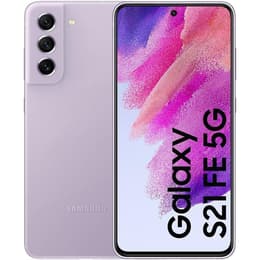


Compare models
Galaxy S21 FE 5G vs Google Pixel 9 Pro
- 1-year warranty
- Free standard shipping
- Free 30-day returns
Differences at a glance
The Samsung Galaxy S21 FE 5G (2022) and the Google Pixel 9 Pro (2024) are modern Android smartphones designed for users seeking capable everyday mobile technology. While both devices offer polished interfaces and reliable connectivity, they belong to different hardware generations, resulting in notable differences in software support timelines, internal processing power, and overall design.
Both smartphones operate on the Android platform, though the Google Pixel 9 Pro runs a newer version out of the box and features longer software support commitments. Understanding how these structural and generational differences affect everyday usability helps clarify which device fits specific user routines.
Available Models
Colour
Storage (GB)
Scores
Durability
When evaluating hardware longevity and software support, the two devices reflect their respective release years and update policies.
- Software Support Window: The Google Pixel 9 Pro benefits from an extended multi-year update commitment covering operating system upgrades and security patches, whereas the Galaxy S21 FE 5G operates closer to the end of its primary software update cycle.
- Build and Repairability: Both models feature modern dust and water resistance ratings, though newer manufacturing standards in the Pixel 9 Pro offer slightly refined structural durability for long-term daily handling.
- Expected Lifespan: Users seeking extended software currency over several years will find the newer Pixel model better equipped for long-term ownership, while the Galaxy S21 FE remains suited for standard medium-term use.
Release year
2022
2024
Compatible with latest Update
Yes
Yes
Operating system
Android
Android
Foldable
No
No
Performance
Internal hardware configurations dictate how each smartphone manages multitasking, demanding applications, and daily power consumption.
- Processing Capability: The Google Pixel 9 Pro handles intensive multitasking and advanced applications with high fluidity, while the Galaxy S21 FE manages everyday tasks like web browsing, messaging, and media playback reliably using its older-generation processor.
- Memory and Multitasking: Generous random access memory allocations in the Pixel 9 Pro allow seamless switching between heavy apps, whereas the Galaxy S21 FE offers adequate memory for typical daily workflows.
- Battery Behavior: The Pixel 9 Pro generally sustains a full day of mixed use efficiently through optimized power management, while the Galaxy S21 FE's battery capacity requires more frequent recharging during heavy usage scenarios.
Screen quality
Display technologies shape the media consumption and visual clarity experience on both smartphones.
- Display Technology: Both models utilize vibrant OLED panels that deliver deep contrast levels, rich colors, and wide viewing angles for videos and photos.
- Outdoor Visibility: The Pixel 9 Pro incorporates advanced high-brightness panel technology that maintains sharp legibility under direct sunlight, whereas the Galaxy S21 FE performs adequately in bright outdoor settings with manual or auto brightness adjustments.
- Refresh Rate and Smoothness: High refresh rate support ensures fluid scrolling through menus and web pages on both devices, providing a responsive touch experience during everyday navigation.
Resolution
1080 x 2340
1280x2856
Screen type
Dynamic AMOLED 2X
LTPO OLED
Audiovisual
Camera hardware and audio output define how each device handles multimedia creation and daily consumption.
- Camera Systems: The Pixel 9 Pro features a versatile triple-lens rear camera setup including a dedicated telephoto lens for distant subjects, while the Galaxy S21 FE employs a standard multi-lens configuration suited for everyday snapshots and wide-angle framing.
- Low-Light and Video: Image processing software on the Pixel 9 Pro excels at retaining detail in challenging lighting conditions, whereas the Galaxy S21 FE captures clear photos in daylight and standard indoor environments.
- Media and Audio: Stereo speaker setups on both devices deliver balanced sound output for hands-free calls and casual video viewing, though neither includes a traditional headphone jack.
Main camera
12 megapixels
50 megapixels
Front camera
32 megapixels
42 megapixels
Miscellaneous
Physical dimensions, weight, and connectivity options influence how comfortably each smartphone fits into daily routines.
- Physical Handling: The Galaxy S21 FE utilizes a lightweight plastic back panel that keeps overall weight low, whereas the Pixel 9 Pro employs glass and metal construction yielding a slightly heavier, solid hand-feel.
- Biometric Security: Both devices offer secure authentication via fast under-display fingerprint sensors and facial recognition capabilities.
- Connectivity Standards: Modern 5G connectivity, Wi-Fi networks, and Bluetooth protocols are fully supported across both models, ensuring stable accessory pairing and fast data transfers.
Weight
177 oz
199 oz
Screen size (in)
6.4
6.3
Network
5G
5G
SIM card
Physical SIM
Physical SIM + eSIM
Carrier compatibility
Unlocked
Unlocked
What the community thinks
User discussions across community platforms often highlight the Google Pixel 9 Pro for its advanced camera versatility, high display brightness, and exceptionally long software support window. At the same time, contributors frequently note that the device has a heavier build and a higher initial hardware tier. Conversely, the Galaxy S21 FE 5G receives praise for its lightweight frame and reliable performance in standard daily tasks, though users point out that its battery requires more frequent attention during intensive workflows.
Users prioritizing advanced photography, maximum software longevity, and high peak screen brightness will find the Google Pixel 9 Pro well-suited to their needs. Meanwhile, users seeking a lightweight, streamlined smartphone for core communication and media consumption may lean toward the Galaxy S21 FE 5G. For buyers exploring sustainable technology, opting for a quality-assured refurbished option provides an eco-friendly alternative that extends device life cycles without compromising on performance standards.