
Compare models

Galaxy Z Flip7 vs iPhone 16 Pro

  • 1-year warranty
  • Free standard shipping
  • Free 30-day returns
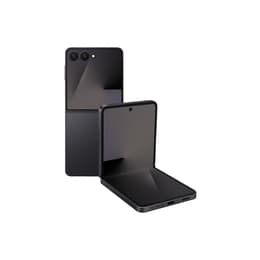
Galaxy Z Flip7
Starting at

Refurbished price:A$840.00

Versus A$1,799.00 new

See options
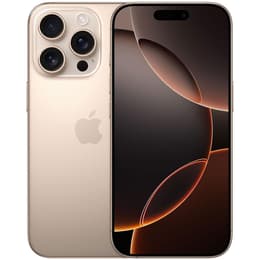
iPhone 16 Pro
Starting at

Refurbished price:A$1,063.20

Versus A$1,799.00 new

See options

Differences at a glance

The Samsung Galaxy Z Flip7 (2025) and the Apple iPhone 16 Pro (2024) represent two distinct approaches to high-end mobile technology, contrasting an innovative folding clamshell design with a traditional, highly durable slab form factor. While the Galaxy Z Flip7 introduces a flexible main screen and an expansive cover display running on Android, the iPhone 16 Pro relies on Apple's refined iOS ecosystem housed within a titanium-grade chassis. Choosing between them depends heavily on whether user priorities lean toward pocket-friendly versatility or traditional flagship utility.

Available Models

Colour

Storage (GB)

Scores

Durability

Both devices are built to modern flagship durability standards, though their physical configurations and support timelines introduce distinct practical considerations for long-term ownership.

  • Software Longevity: The iPhone 16 Pro benefits from Apple's extended update cadence, typically receiving iOS feature and security updates for 5 to 7 years. The Galaxy Z Flip7 offers multi-year software and security support through Android, keeping the interface current for standard device lifecycles.
  • Physical Resilience: The iPhone 16 Pro uses a titanium frame and ceramic front shield to handle everyday drops and impacts as a rigid slab. The Galaxy Z Flip7 employs a folding mechanism protected by advanced hinge engineering and flexible glass, requiring mindfulness around screen creases and folding stress over years of heavy use.
  • Repairability: Traditional slab phones like the iPhone generally present simpler repair paths for screen replacements, whereas foldable displays on devices like the Z Flip7 require specialized servicing due to the unique nature of folding panel technology.

Release year

2025

2024

Foldable

Yes

No

Performance

System responsiveness and everyday utility remain fast across both options, though their hardware foundations manage demanding workflows differently.

  • Multitasking and App Handling: Both models manage resource-intensive applications, split-screen workflows, and graphic-heavy games smoothly, supported by ample random access memory that keeps background processes active without stuttering.
  • Storage Configurations: The Galaxy Z Flip7 and iPhone 16 Pro both offer multiple high-capacity tiers starting at generous baselines, accommodating large photo libraries, offline media, and extensive document storage.
  • Battery Behavior: The iPhone 16 Pro manages power efficiently through optimized hardware integration to last through a typical day of mixed use. The Galaxy Z Flip7 balances a split battery setup across its folding housing to support both the outer cover screen and the main internal panel during daily routines.

Screen quality

Visual output differs significantly in form factor and viewing area, impacting how users consume media and interact with daily notifications.

  • Display Technology: The iPhone 16 Pro features a bright, rigid OLED panel with deep contrast and accurate color reproduction. The Galaxy Z Flip7 utilizes a foldable dynamic AMOLED main panel alongside a large secondary cover display that allows users to check notifications, reply to messages, and run widgets without unfolding the device.
  • Brightness and Outdoor Clarity: Both screens reach high peak brightness levels, ensuring readability under direct sunlight during outdoor navigation or photography.
  • Refresh Rates: Both devices support high refresh rates up to 120Hz, delivering smooth scrolling through web pages, fluid animation transitions, and responsive touch feedback during gaming.

Resolution

1080x2520

1206 x 2622

Audiovisual

Camera arrays on both smartphones cater to high-resolution everyday photography and detailed video recording, utilizing distinct hardware and software processing.

  • Imaging Systems: The iPhone 16 Pro equips a versatile multi-lens rear setup featuring advanced optical stabilization, wide-angle shooting, and a dedicated tactile button control for quick launching. The Galaxy Z Flip7 utilizes a high-megapixel main rear sensor paired with an ultra-wide option, leveraging its folding design to double as a built-in tripod for hands-free framing.
  • Low-Light and Video: Both models capture sharp details in dim environments using computational photography adjustments, and both record high-definition video with steady stabilization suitable for vlogging or family events.
  • Audio and Media Output: Stereo speaker setups on both devices deliver clear sound for hands-free calls, podcasts, and casual video playback without requiring external speakers.

Miscellaneous

Physical dimensions, connectivity standards, and daily handling features shape how each device fits into travel and professional environments.

  • Connectivity and Ports: Both models support widespread 5G networks, fast Wi-Fi standards, and Bluetooth pairing. The iPhone 16 Pro utilizes a standard USB-C port for charging and data transfer, matching the universal port standard adopted by the Galaxy Z Flip7.
  • Security and Sensors: Apple relies on secure facial recognition, while Samsung provides both face unlock and a side-mounted fingerprint sensor integrated into the power button for flexible authentication.
  • Handling and Weight: The iPhone 16 Pro offers a traditional, dense feel in the hand, whereas the Galaxy Z Flip7 folds in half to occupy significantly less pocket space, though it feels slightly taller when fully unfolded.

Weight

188 oz

199 oz

Screen size (in)

6.9

6.3

Network

5G

5G

SIM card

Physical SIM + eSIM

eSIM

Carrier compatibility

Unlocked

Unlocked

What the community thinks

Choosing between the Galaxy Z Flip7 and the iPhone 16 Pro ultimately depends on personal hardware preferences and daily workflow priorities. Users who value a compact, pocket-friendly footprint that unfolds into a large viewing area will find the Galaxy Z Flip7 well-suited to their needs. Conversely, users who prefer a rigid, durable titanium slab with deep integration into the Apple ecosystem will lean toward the iPhone 16 Pro. Both devices deliver robust performance, making the decision a matter of form factor rather than raw capability.

For those looking toward sustainable purchasing habits, opting for a quality-assured refurbished option provides an eco-friendly alternative that reduces electronic waste while delivering flagship performance. Reviewing individual feature priorities ensures the final selection aligns with long-term daily usage habits.