Samsung
Compare models
Differences at a glance
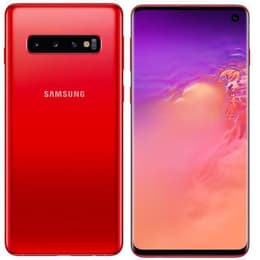
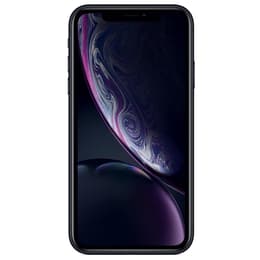
The Samsung Galaxy S10, released in March 2019, and the Apple iPhone XR, launched in October 2018, represent distinct approaches to smartphone design and functionality from their respective manufacturers. While both offer a 6.1-inch display, they differ significantly in their underlying operating systems, camera systems, and display technologies. The Galaxy S10 runs on Android, providing a versatile multi-camera setup and a high-resolution AMOLED screen, whereas the iPhone XR operates on iOS, featuring a single rear camera and an LCD display.
Colour
Storage
When considering the long-term usability of these devices, their release timelines and software support are key factors. The Galaxy S10 was introduced in March 2019, while the iPhone XR arrived earlier in October 2018.
Release year
Compatible with latest Update
Operating system
Foldable
Both the Galaxy S10 and iPhone XR were designed to deliver smooth performance for their respective ecosystems, though they achieve this with different hardware configurations.
The visual experience on the Galaxy S10 and iPhone XR is a significant differentiator, primarily due to their distinct display technologies and resolutions.
Resolution
Screen type
The camera capabilities of the Galaxy S10 and iPhone XR reflect different philosophies in mobile photography, with one offering versatility and the other focusing on consistent quality with a single lens.
Main camera
Front camera
Beyond core performance and display, several practical features contribute to the overall user experience of the Galaxy S10 and iPhone XR.
Weight
Screen size (in)
Network
SIM card
Carrier compatibility
User feedback for both the Galaxy S10 and iPhone XR highlights their respective strengths and areas for consideration. The Galaxy S10 is frequently praised for its vibrant AMOLED display, versatile triple-camera system, and the inclusion of a headphone jack. Some users, however, have noted that its battery life, while generally good, might require careful management for very heavy usage, and its repairability is considered challenging. The iPhone XR often receives commendation for its robust battery life, consistent performance, and the reliability of Face ID. Common criticisms tend to focus on its LCD screen's resolution compared to OLED alternatives and the limitations of its single rear camera.
For users who prioritize a high-resolution, vibrant display and a flexible camera system with ultra-wide and telephoto capabilities, the Samsung Galaxy S10 may be a more suitable choice. Its inclusion of a headphone jack and expandable storage options also cater to specific user preferences. Conversely, individuals who value extended battery life, a streamlined operating system, and a strong emphasis on facial recognition security might find the iPhone XR to align better with their needs. Both devices offer a solid smartphone experience, and considering a quality-assured refurbished option for either model can be an eco-friendly alternative for those seeking reliable technology.