
Galaxy S10 vs iPhone 11

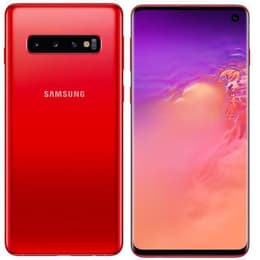
Galaxy S10
Galaxy S10
Starting at

Refurbished price:A$360.00

Versus A$849.00 new

See options
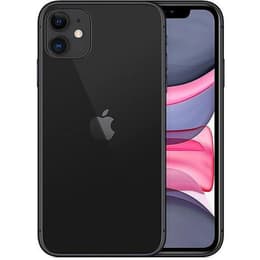
iPhone 11
iPhone 11
Starting at

Refurbished price:A$283.00

Versus A$769.00 new

See options

Ratings

The Samsung Galaxy S10 and the Apple iPhone 11, both released in 2019, represent distinct approaches to smartphone design and functionality from their respective manufacturers. The Galaxy S10 launched with Android 9, offering a vibrant AMOLED display and a versatile triple camera system, while the iPhone 11 debuted with iOS 13, focusing on robust performance and a refined dual-camera setup. These devices cater to different user preferences, primarily distinguished by their operating systems and hardware philosophies.

Scores

Durability

When considering the long-term usability of these devices, their release timelines and software support are key factors.

  • Software Longevity: The Samsung Galaxy S10, released in March 2019, received major Android updates up to Android 12, with security updates concluding around March 2023 for most models. The iPhone 11, released in September 2019, has a longer software support cycle, typically receiving iOS updates for 5-6 years from its release, extending its practical lifespan for users who prioritize the latest software features and security patches.
  • Durability Features: Both devices offer a degree of water and dust resistance, with an IP68 rating. The Galaxy S10 features Corning Gorilla Glass 6 on the front and Gorilla Glass 5 on the back, while the iPhone 11 incorporates Apple's custom-designed glass, which it marketed as the toughest in a smartphone at its release.
  • Repairability: While specific repairability scores can vary, both models, as older flagships, may present challenges for DIY repairs due to their construction. However, professional refurbishment services can extend their life, offering a quality-assured option for continued use.

Release year

2019

2019

Compatible with latest Update

No

Yes

Operating system

Android

iOS

Foldable

No

No

Performance

Performance is a critical aspect for daily smartphone use, influencing everything from app responsiveness to gaming experiences.

  • Processing Power: The iPhone 11 is equipped with a powerful processor that handles demanding applications and multitasking with notable smoothness. The Galaxy S10, depending on the region, features either an Exynos or Snapdragon processor, both of which delivered strong performance at launch, capably managing everyday tasks and moderate gaming.
  • Multitasking and Responsiveness: The iPhone 11 generally offers 4GB of RAM, contributing to fluid app switching and overall system responsiveness. The Galaxy S10 typically comes with 8GB of RAM, providing ample capacity for running multiple applications simultaneously without significant slowdowns.
  • Storage Options: The iPhone 11 is available with internal storage options of 64GB, 128GB, and 256GB. The Galaxy S10 offers more flexible storage, starting at 128GB and going up to 512GB, with the added benefit of expandable storage via a microSD card, which is not available on the iPhone 11.
  • Battery Behavior: User experiences with battery life vary based on usage patterns. The iPhone 11 generally provides a full day of use for many users, with its efficient processor contributing to its endurance. The Galaxy S10's battery life was considered decent at launch, often lasting a full day for moderate users, though heavy usage might require more frequent charging.

Memory

8 GB

4 GB

Screen quality

The display is a primary interface for smartphone interaction, and both devices offer distinct visual experiences.

  • Display Technology: The Samsung Galaxy S10 features a 6.1-inch Dynamic AMOLED display, known for its deep blacks, vibrant colors, and high contrast. The iPhone 11 utilizes a 6.1-inch Liquid Retina IPS LCD, which provides accurate color reproduction and good brightness, though it does not achieve the same contrast levels as an OLED panel.
  • Resolution and Clarity: The Galaxy S10 boasts a Quad HD+ resolution (3040x1440 pixels), resulting in a very sharp image with a high pixel density of approximately 550 ppi. The iPhone 11 has a lower resolution of 1792x828 pixels, with a pixel density of 326 ppi, which is still considered clear for typical viewing distances.
  • Brightness and Outdoor Visibility: The Galaxy S10's Dynamic AMOLED display can reach high peak brightness levels, enhancing visibility in bright outdoor conditions and supporting HDR content effectively. The iPhone 11's LCD also offers good brightness, making it usable outdoors, though it may not match the peak brightness of the S10's OLED.
  • Refresh Rate: Both the Galaxy S10 and iPhone 11 feature a standard 60Hz refresh rate, providing a smooth experience for most everyday tasks, but not the ultra-smooth scrolling found on devices with higher refresh rates.

Resolution

1440 x 3040

828 x 1792

Screen type

Dynamic AMOLED

Liquid Retina IPS LCD

Audiovisual

Both smartphones offer capable camera systems, designed to capture a variety of moments with different strengths.

  • Rear Camera System: The Samsung Galaxy S10 features a versatile triple-camera setup on the rear, including a 12MP main wide-angle lens with variable aperture, a 12MP telephoto lens for optical zoom, and a 16MP ultra-wide-angle lens. The iPhone 11 has a dual-camera system, comprising a 12MP wide-angle lens and a 12MP ultra-wide-angle lens.
  • Photography Performance: The Galaxy S10's camera system provides flexibility with its telephoto lens for zoomed shots and a wide dynamic range. The iPhone 11 is praised for its consistent image quality, particularly its Night Mode, which significantly improves low-light photography, and its Smart HDR for balanced exposures.
  • Video Recording: Both devices are capable of recording 4K video at up to 60 frames per second. The iPhone 11 is noted for its strong video stabilization and an 'audio zoom' feature that focuses audio recording on the subject being zoomed into. The Galaxy S10 also offers good video quality with Super Steady stabilization.
  • Front Camera: The Galaxy S10 has a 10MP front-facing camera, while the iPhone 11 features a 12MP TrueDepth front camera, which also enables Face ID for secure authentication. Both are capable of capturing detailed selfies and supporting video calls.

Main camera

12 megapixels

12 megapixels

Front camera

10 megapixels

12 megapixels

Miscellaneous

Beyond core features, several practical elements contribute to the overall user experience of these smartphones.

  • Connectivity: Both the Galaxy S10 and iPhone 11 support Wi-Fi 6 and Bluetooth 5.0, offering fast and reliable wireless connections. Neither device supports 5G connectivity, as they were released before widespread 5G adoption.
  • Ports and Biometrics: The Galaxy S10 includes a USB-C port for charging and data transfer, and notably retains a 3.5mm headphone jack, a feature absent on the iPhone 11, which uses Apple's proprietary Lightning port. For security, the Galaxy S10 features an ultrasonic in-display fingerprint sensor, while the iPhone 11 relies on Face ID for biometric authentication.
  • Dimensions and Handling: The Galaxy S10 measures 149.9 x 70.4 x 7.8 mm and weighs 157g, offering a relatively compact and lightweight design. The iPhone 11 is slightly larger and heavier at 150.9 x 75.7 x 8.3 mm and 194g. Both devices feature glass backs and aluminum frames, contributing to a premium feel.
  • Additional Features: The Galaxy S10 supports Wireless PowerShare, allowing it to wirelessly charge other compatible devices. The iPhone 11 introduced an Ultra Wideband chip for improved spatial awareness and AirDrop functionality.

Weight

157 oz

194 oz

Screen size (in)

6.1

6.1

Network

4G

4G

SIM card

Physical SIM

Physical SIM + eSIM

Carrier compatibility

Unlocked

Unlocked

User feedback on the Samsung Galaxy S10 often highlights its impressive Dynamic AMOLED display, the inclusion of a 3.5mm headphone jack, and expandable storage as significant advantages. Some users have noted that its battery life, while adequate, might not be as robust as some competitors, and major software updates have concluded. The iPhone 11 is frequently praised for its strong performance, reliable camera system (especially Night Mode), and consistent software experience. Common criticisms include its LCD display compared to OLED alternatives and the absence of a telephoto lens.

Users prioritizing a vibrant, high-resolution OLED display, expandable storage, and the convenience of a headphone jack may find the Galaxy S10 well-suited to their needs. Its versatile camera system also appeals to those who appreciate a dedicated telephoto lens. Conversely, users who value long-term software support, a powerful and consistently smooth operating system, and exceptional low-light photography capabilities might lean towards the iPhone 11. Its robust performance makes it a strong choice for those who engage in demanding tasks or mobile gaming.

Both devices, despite being older models, continue to offer solid performance for everyday use. Exploring quality-assured refurbished options for either the Galaxy S10 or iPhone 11 can provide an eco-friendly alternative for consumers seeking reliable technology.

See all articles

Our recent comparisons