Compare models

Galaxy A56 vs Motorola Razr 40 Ultra

  • 1-year warranty
  • Free standard shipping
  • Free 30-day returns
Galaxy A56
Starting at

Refurbished price:A$390.00

Versus A$699.00 new

See options
Motorola Razr 40 Ultra
Starting at

Refurbished price:A$551.00

Versus A$2,158.00 new

See options

Differences at a glance

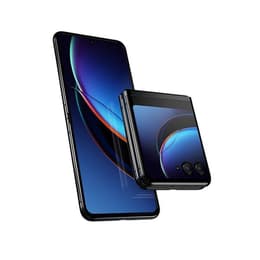
The Samsung Galaxy A56 (2025) and the Motorola Razr 40 Ultra (2023) represent two distinct approaches to modern smartphone design, contrasting a traditional flat body shape with a foldable clamshell form factor. While both operate on the Android platform and target users seeking modern features, they handle physical structure and daily interaction very differently. The main differentiators between the two devices center on the folding display capability of the Motorola model versus the traditional slate construction and sustained update commitment of the Samsung device.

Available Models

Colour

Storage

Scores

Durability

When evaluating the long-term viability of these devices, differences in release timing, software backing, and hardware durability become key factors for users planning to keep their phone for several years.

  • Software longevity: The Galaxy A56 benefits from a more recent release year and an extended update policy, receiving multi-year operating system and security patches. The Motorola Razr 40 Ultra features a slightly older release timeline, resulting in a shorter remaining window for major software updates.
  • Repairability and physical endurance: Traditional slate devices like the Samsung model generally feature standard glass-and-frame constructions that simplify local repairs. Foldable devices like the Motorola model require flexible internal screens that demand specialized handling over extended use cycles, though users seeking sustainable choices often look to quality-assured refurbished options to maximize hardware longevity.

Release year

2025

2023

Operating system

Android

Android

Foldable

No

Yes

Performance

Daily operation and hardware capability differ across these two models, influencing how smoothly they handle multitasking, gaming, and battery management under heavy workloads.

  • Processing and multitasking: Both devices handle standard daily tasks, social media applications, and casual gaming smoothly. Their internal memory configurations allow multiple applications to remain open in the background without significant slowdowns.
  • Battery behavior and power management: The Galaxy A56 features a traditional battery capacity designed to comfortably manage a full day of mixed use. The Motorola Razr 40 Ultra relies on a split-cell battery design to accommodate its folding frame, which may require more frequent charging for users who spend extensive time utilizing the external cover screen or main display.

Screen quality

Display technology sets these two models apart significantly, offering distinct visual experiences for media consumption, reading, and outdoor visibility.

  • Display architecture and flexibility: The Galaxy A56 features a rigid organic light-emitting diode panel with deep contrast levels and sharp resolution for everyday viewing. The Motorola Razr 40 Ultra utilizes a flexible folding main display alongside a large external cover screen, allowing users to interact with notifications and applications without opening the device.
  • Brightness and outdoor clarity: Both screens offer high refresh rates for smooth scrolling and adequate peak brightness levels to remain legible under direct sunlight, though foldable panels typically display a subtle crease along the folding axis during specific viewing angles.

Resolution

1080 x 2340

1080 x 2640

Audiovisual

Media capture and audio output capabilities vary between the traditional multi-lens setup of the Samsung device and the compact layout of the folding Motorola handset.

  • Photography and video recording: The Galaxy A56 equips multiple rear sensors to handle standard wide-angle and ultra-wide photography reliably across varying light conditions. The Motorola Razr 40 Ultra utilizes its unique form factor to enable versatile framing options, allowing users to prop the phone upright on surfaces for hands-free recording and selfies.
  • Media consumption and audio: Built-in stereo speakers on both models deliver clear sound output for calls and casual video playback, while microphone arrays successfully isolate voice audio during phone calls and video meetings.

Miscellaneous

Practical physical attributes, connectivity standards, and daily handling characteristics help define how each smartphone fits into individual lifestyles.

  • Build and physical dimensions: The Galaxy A56 offers a standard water-resistant slate body with a comfortable grip for one-handed operation. The Motorola Razr 40 Ultra folds in half to fit easily into smaller pockets, presenting a compact profile when closed despite a slightly wider footprint when fully opened.
  • Connectivity and security: Both models support modern fifth-generation mobile networks, fast wireless standards, and secure biometric authentication options including facial recognition and integrated fingerprint sensors.

Weight

200 oz

192 oz

Screen size (in)

6.7

6,9

Network

4G

5G

SIM card

Physical SIM + eSIM

Physical SIM

Carrier compatibility

Unlocked

Unlocked

What the community thinks

User community discussions and public sentiment forums highlight distinct patterns of praise and criticism for each smartphone. Owners of the Samsung Galaxy A56 frequently highlight its reliable battery endurance, solid build quality, and long-term software support as major strengths. Common discussions around this model occasionally note its conventional appearance compared to folding alternatives. Conversely, users of the Motorola Razr 40 Ultra frequently praise its innovative folding design, functional external cover screen, and compact portability. Frequent criticisms for the foldable model involve the visibility of the screen crease and shorter battery longevity under heavy external display usage.

Users prioritizing long-term software support, traditional durability, and consistent battery endurance may prefer the Samsung Galaxy A56. Meanwhile, users prioritizing compact pocketability, innovative form factors, and versatile hands-free framing options will lean toward the Motorola Razr 40 Ultra. For consumers aiming to balance advanced features with environmental considerations, exploring a quality-assured refurbished option provides a practical way to access these technologies sustainably.