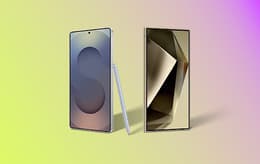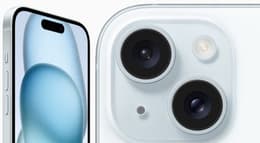
Galaxy S23 Ultra vs iPhone 15 Plus

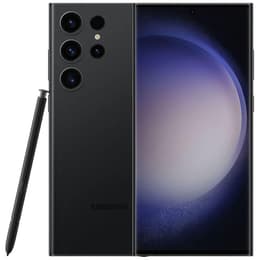
Galaxy S23 Ultra
Galaxy S23 Ultra
Starting at

Refurbished price:A$686.00

Versus A$2,016.00 new

See options
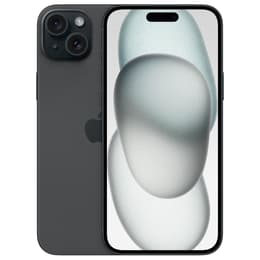
iPhone 15 Plus
iPhone 15 Plus
Starting at

Refurbished price:A$745.00

Versus A$1,399.00 new

See options

Ratings

The Samsung Galaxy S23 Ultra, released in February 2023, and the iPhone 15 Plus, launched in September 2023, are prominent smartphones from their respective manufacturers. While both offer large displays and advanced camera systems, they cater to different user preferences through their distinct operating systems and hardware philosophies. The Galaxy S23 Ultra runs on Android, offering extensive customization and a versatile camera array, whereas the iPhone 15 Plus operates on iOS, known for its streamlined user experience and integrated ecosystem. These devices present a choice between a feature-rich Android flagship and a large-screen iOS experience.

Scores

Durability

When considering the long-term usability of a smartphone, software support and physical resilience are key factors. Both the Galaxy S23 Ultra and the iPhone 15 Plus are built with durability in mind, but their software lifecycles and repairability aspects differ.

  • Software Longevity: The Samsung Galaxy S23 Ultra typically receives four years of Android operating system updates and five years of security patches from its release date. The iPhone 15 Plus, running iOS, is expected to receive software updates for a longer duration, often extending to five or six years, with compatibility confirmed up to iOS 26. This suggests the iPhone 15 Plus may offer a longer period of current software features and security.
  • Physical Durability: Both devices feature robust construction. The Galaxy S23 Ultra incorporates Gorilla Glass Victus 2 on its front and back, paired with an Armor Aluminum frame. The iPhone 15 Plus utilizes a Ceramic Shield front and a color-infused glass back with an aluminum design. Both phones carry an IP68 rating for dust and water resistance, indicating protection against submersion in up to 1.5 meters of water for 30 minutes.
  • Repairability: While specific repairability scores can vary, both manufacturers design their devices with certain repair considerations. Users looking for an eco-friendly alternative might consider a quality-assured refurbished option for either model, extending their practical lifespan and reducing electronic waste.

Release year

2023

2023

Compatible with latest Update

Yes

Yes

Operating system

Android

iOS

Foldable

No

No

Performance

The performance of a smartphone is crucial for daily tasks, from browsing and social media to demanding applications and gaming. Both the Galaxy S23 Ultra and the iPhone 15 Plus deliver strong performance, though they achieve this through different hardware and software optimizations.

  • Processing Power: The Galaxy S23 Ultra is equipped with a current-generation processor optimized for its ecosystem, enabling smooth multitasking and efficient handling of intensive applications. The iPhone 15 Plus features a powerful chip known for its strong single-core and multi-core performance, ensuring responsive operation across iOS applications and games.
  • Storage and Memory: The Galaxy S23 Ultra offers a range of storage options, including 256GB, 512GB, and 1TB, with configurations available with 8GB or 12GB of RAM. The iPhone 15 Plus comes with 128GB, 256GB, or 512GB of internal storage and 6GB of RAM. The higher RAM options on the S23 Ultra can be beneficial for heavy multitasking and running multiple demanding applications simultaneously.
  • Battery Endurance: The Galaxy S23 Ultra houses a 5000 mAh battery, while the iPhone 15 Plus has a 4383 mAh battery. Despite the difference in capacity, real-world battery tests indicate that the iPhone 15 Plus offers impressive endurance, with some reports showing it lasting over 13 hours of screen-on time in continuous usage tests, sometimes even surpassing the S23 Ultra in specific scenarios. Both devices support fast wired and wireless charging.

Memory (GB)

8 GB

6 GB

Screen quality

The display is a primary interface for smartphone interaction, and both the Galaxy S23 Ultra and the iPhone 15 Plus offer large, high-quality screens with distinct characteristics.

  • Display Technology and Resolution: The Galaxy S23 Ultra features a 6.8-inch Dynamic AMOLED 2X display with a resolution of 1440 x 3088 pixels, resulting in sharp and detailed visuals. The iPhone 15 Plus sports a 6.7-inch Super Retina XDR OLED display with a resolution of 2796 x 1290 pixels, also providing excellent clarity. Both OLED technologies deliver deep blacks and vibrant colors.
  • Refresh Rate and Smoothness: A significant difference lies in the refresh rate. The Galaxy S23 Ultra boasts an adaptive refresh rate that can scale from 1Hz to 120Hz, providing exceptionally smooth scrolling and fluid animations, particularly noticeable in gaming and fast-paced content. The iPhone 15 Plus has a standard 60Hz refresh rate, which is sufficient for most daily tasks but offers less fluidity compared to higher refresh rate displays.
  • Brightness and Outdoor Visibility: Both phones offer high peak brightness levels for excellent outdoor visibility. The Galaxy S23 Ultra can reach up to 1750 nits of peak brightness, while the iPhone 15 Plus can achieve up to 2000 nits of peak outdoor brightness. This ensures content remains legible even under direct sunlight.

Resolution

1440 x 3088

1290 x 2796

Screen type

Dynamic AMOLED 2X

Super Retina XDR OLED

Audiovisual

Both the Galaxy S23 Ultra and the iPhone 15 Plus are capable camera phones, but they approach mobile photography with different hardware configurations and computational photography strengths.

  • Rear Camera System: The Galaxy S23 Ultra features a versatile quad-camera setup, including a 200MP main sensor, a 12MP ultrawide lens, and two 10MP telephoto lenses offering 3x and 10x optical zoom capabilities. This allows for extreme zoom and detailed shots. The iPhone 15 Plus has an advanced dual-camera system with a 48MP main sensor that can also achieve 2x telephoto shots through sensor cropping, and a 12MP ultrawide lens.
  • Photography Performance: The S23 Ultra's 200MP main sensor captures highly detailed images, often using pixel binning for brighter 12MP photos, and excels in low-light conditions. Its multiple telephoto lenses provide significant flexibility for distant subjects. The iPhone 15 Plus's 48MP main camera also produces high-resolution 24MP photos by default and offers improved low-light performance and next-generation portraits with adjustable focus.
  • Video Recording and Front Camera: The Galaxy S23 Ultra supports 8K video recording, offering high-resolution footage for content creators. The iPhone 15 Plus records 4K Dolby Vision HDR video, known for its dynamic range and color accuracy. Both phones feature capable front-facing cameras for selfies and video calls; the S23 Ultra has a 12MP front camera, and the iPhone 15 Plus also has a 12MP front camera with autofocus.

Main camera

200 megapixels

48 megapixels

Front camera

12 megapixels

12 megapixels

Miscellaneous

Beyond core performance and display, several other features contribute to the overall user experience and practical utility of these smartphones.

  • Connectivity and Ports: Both devices support 5G connectivity for fast mobile data. The Galaxy S23 Ultra includes Wi-Fi 6E and Bluetooth 5.3. The iPhone 15 Plus supports Wi-Fi 6 and Bluetooth 5.3. A notable change for the iPhone 15 Plus is the adoption of a USB-C port for charging and data transfer, aligning with broader industry standards. The Galaxy S23 Ultra also uses a USB-C port.
  • Unique Features and Sensors: The Galaxy S23 Ultra integrates an S Pen stylus, offering precise input for note-taking, drawing, and navigation, a feature unique to this line. It also includes an ultrasonic in-screen fingerprint sensor. The iPhone 15 Plus features the Dynamic Island, an interactive area around the front camera cutout that displays alerts and live activities, and relies on Face ID for biometric authentication.
  • Design and Ergonomics: The Galaxy S23 Ultra has dimensions of 163.4 x 78.1 x 8.9 mm and weighs 233-234 grams. The iPhone 15 Plus is slightly smaller and lighter at 160.9 x 77.8 x 7.8 mm and 201 grams. Both are large devices, but the iPhone 15 Plus's slightly thinner and lighter build might offer a marginally more comfortable grip for some users.

Weight

233 oz

201 oz

Screen size (in)

6.8

6.7

Network

5G

5G

SIM card

Physical SIM + eSIM

Physical SIM + eSIM

Carrier compatibility

Unlocked

Unlocked

The Samsung Galaxy S23 Ultra and the iPhone 15 Plus each offer a compelling smartphone experience, appealing to different user priorities. Users often praise the Galaxy S23 Ultra for its highly versatile camera system, particularly its advanced zoom capabilities and the integrated S Pen, which enhances productivity and creativity. Its vibrant, high-refresh-rate display is also a frequent highlight for immersive media consumption and gaming. Some users, however, might find its size and weight substantial, and the extensive customization options of Android can sometimes be overwhelming for those preferring simplicity.

The iPhone 15 Plus is frequently lauded for its exceptional battery life, often outperforming many competitors in real-world usage tests. Its intuitive iOS operating system and the seamless integration within the Apple ecosystem are also strong points for many users. The introduction of the Dynamic Island and the USB-C port are well-received upgrades. A common point of discussion for the iPhone 15 Plus is its 60Hz display refresh rate, which some users accustomed to higher refresh rates on other devices might notice.

Users prioritizing a highly flexible camera system with extensive zoom, a high-refresh-rate display, and the unique functionality of an integrated stylus will find the Samsung Galaxy S23 Ultra well-suited to their needs. Conversely, users who value a streamlined, user-friendly operating system, class-leading battery endurance, and a slightly lighter design will likely lean towards the iPhone 15 Plus. Both devices represent excellent choices, and for those considering a more sustainable option, exploring quality-assured refurbished versions of either model can be a practical and eco-friendly decision.
See all articles

Our recent comparisons