iPhone
Compare models
Differences at a glance
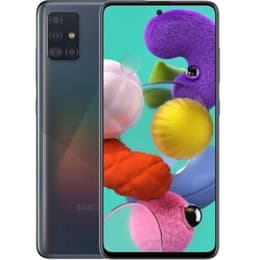
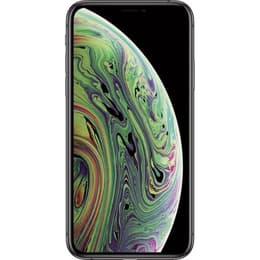
The Samsung Galaxy A51, released in late 2019, and the iPhone Xs, launched in late 2018, represent distinct approaches to smartphone design and functionality from their respective manufacturers. The Galaxy A51 operates on the Android platform, offering a focus on display size and camera versatility, while the iPhone Xs runs on iOS, emphasizing a compact form factor and robust internal performance. These devices cater to different user preferences, with key differentiators lying in their operating systems, build materials, and camera philosophies.
Colour
Storage
When considering the long-term usability of a device, software support and physical resilience are key factors. The iPhone Xs, released in September 2018, and the Samsung Galaxy A51, launched in December 2019, both have several years of use behind them, placing them towards the latter stages of their major software update cycles.
Release year
Compatible with latest Update
Operating system
Foldable
The performance of a smartphone is crucial for daily tasks, from navigating applications to managing multiple processes simultaneously. The Galaxy A51 and iPhone Xs offer different levels of responsiveness and storage capabilities.
The visual experience is a primary interaction point for any smartphone, and both the Galaxy A51 and iPhone Xs feature high-quality displays, though with different characteristics.
Resolution
Screen type
The camera systems on both the Galaxy A51 and iPhone Xs are designed to capture moments, but they approach photography with different strengths and capabilities.
Main camera
Front camera
Beyond core performance and display, several practical features contribute to the overall user experience and differentiate these two smartphones.
Weight
Screen size (in)
Network
SIM card
Carrier compatibility
The Samsung Galaxy A51 and iPhone Xs, while both capable smartphones, cater to different user priorities. User feedback often highlights the Galaxy A51's appeal for its expansive display and versatile camera system, particularly the inclusion of an ultrawide and macro lens, which offers creative photographic opportunities. Its 3.5mm headphone jack is also a frequently praised feature for those who prefer wired audio. However, some users note that its performance for very demanding applications might not be as fluid as higher-end devices.
The iPhone Xs, on the other hand, is often lauded for its robust and consistent performance, premium build quality with its stainless steel frame and IP68 water resistance, and the reliability of the iOS ecosystem. Its compact size is a significant advantage for users who prefer a device that is easy to handle and pocket. Criticisms sometimes point to its smaller screen size compared to contemporary Android devices and the absence of a headphone jack.
Users prioritizing a larger screen for media consumption, a diverse camera setup, and the convenience of a headphone jack may find the Galaxy A51 well-suited to their needs. Conversely, individuals who value a compact, premium device with strong performance for demanding tasks and a streamlined software experience might lean towards the iPhone Xs. Both models, available as quality-assured refurbished options, offer an eco-friendly alternative for consumers looking to make an informed and sustainable choice.