
iPhone 11 Pro vs iPhone XS

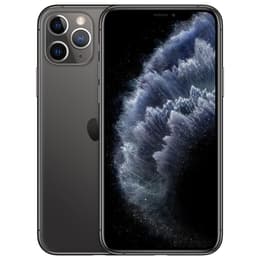
iPhone 11 Pro
iPhone 11 Pro
Starting at

Refurbished price:A$325.00

Versus A$1,029.00 new

See options
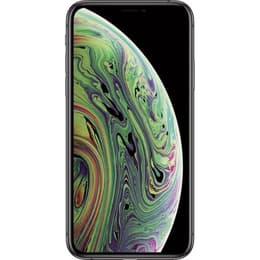
iPhone XS
iPhone XS
Starting at

Refurbished price:A$227.00

Versus A$1,199.00 new

See options

Ratings

The iPhone 11 Pro, released in September 2019, and the iPhone Xs, launched in September 2018, represent consecutive generations of Apple's premium smartphone line. While both devices share a similar design philosophy and operate on the iOS ecosystem, the iPhone 11 Pro introduces notable advancements in its camera system, processing power, and battery endurance. Both models offer a refined user experience within the Apple operating system.

Scores

Durability

When considering the practical lifespan of these devices, several factors related to their release timeline and ongoing support come into play.

  • Release Timeline: The iPhone Xs was released in September 2018, making it a year older than the iPhone 11 Pro, which launched in September 2019. This difference in release date directly impacts their expected software support duration.
  • Software Longevity: Both devices receive regular iOS updates, but the iPhone 11 Pro, being newer, is anticipated to receive software support for approximately one year longer than the iPhone Xs. The iPhone Xs shipped with iOS 12 and is currently upgradable to iOS 18.7.7, while the iPhone 11 Pro shipped with iOS 13.
  • Physical Durability: Both models feature a stainless steel frame and glass construction. The iPhone 11 Pro boasts an improved IP68 water resistance rating, capable of withstanding submersion up to 4 meters for 30 minutes, compared to the iPhone Xs's IP68 rating of up to 2 meters for 30 minutes. While Apple claimed both had the "toughest glass ever" at their respective launches, real-world drop tests for both models indicate that glass can still crack from common drop heights, suggesting that protective cases remain beneficial.

Release year

2019

2018

Compatible with latest Update

Yes

Yes

Operating system

iOS

iOS

Foldable

No

No

Performance

The performance of a smartphone is crucial for daily tasks, app responsiveness, and demanding applications. Both the iPhone Xs and iPhone 11 Pro deliver capable performance, though with generational differences.

  • Processing Capabilities: The iPhone Xs is equipped with a processor that handles everyday applications and multitasking smoothly, providing a responsive user experience. The iPhone 11 Pro features a newer generation processor, offering enhanced speed and efficiency. This translates to faster app loading times, smoother transitions, and more robust performance for graphically intensive games and demanding applications.
  • Multitasking and Responsiveness: Both devices come with 4GB of RAM, which is sufficient for managing multiple applications simultaneously. However, the iPhone 11 Pro's more efficient processor contributes to better background app management and overall system fluidity, particularly when switching between heavy applications.
  • Battery Behavior: The iPhone 11 Pro offers noticeably improved battery life compared to the iPhone Xs. This is due to a larger battery capacity and the more power-efficient design of its newer processor. Users of the iPhone 11 Pro can often expect an additional 1 to 2 hours of screen-on time, translating to less frequent charging for most daily use. The iPhone 11 Pro is rated for up to 18 hours of video playback, while the iPhone Xs is rated for up to 14 hours.

Memory

4 GB

4 GB

Screen quality

Both the iPhone Xs and iPhone 11 Pro feature high-quality OLED displays, providing vibrant visuals and deep blacks, but the newer model brings enhancements.

  • Display Technology and Clarity: Both phones utilize OLED technology, known for its ability to produce true blacks and high contrast ratios. The iPhone Xs features a 5.8-inch Super Retina HD display, while the iPhone 11 Pro upgrades to a 5.8-inch Super Retina XDR display. Both offer a resolution of 2436x1125 pixels at 458 pixels per inch, ensuring sharp text and clear images.
  • Brightness and Contrast: The iPhone 11 Pro's Super Retina XDR display offers a higher typical maximum brightness of 800 nits and a peak HDR brightness of 1200 nits, along with an improved contrast ratio of 2,000,000:1. The iPhone Xs's Super Retina HD display has a typical maximum brightness of 625 nits and a contrast ratio of 1,000,000:1. This means the iPhone 11 Pro can display HDR content with more impactful highlights and deeper shadows, enhancing the viewing experience in various lighting conditions.
  • User Interaction: The iPhone Xs includes 3D Touch, which provides pressure-sensitive shortcuts. The iPhone 11 Pro replaces this with Haptic Touch, offering similar functionality through a long press with haptic feedback. Both displays support True Tone, which adjusts the white balance to match ambient lighting, and a wide color gamut (P3) for accurate color reproduction.

Resolution

1125 x 2436

1125 x 2436

Screen type

Super Retina XDR OLED

Super Retina OLED

Audiovisual

The camera systems are a significant point of differentiation, with the iPhone 11 Pro introducing a more versatile setup.

  • Rear Camera System: The iPhone Xs features a dual 12MP camera system with wide and telephoto lenses, offering 2x optical zoom. The iPhone 11 Pro upgrades to a triple 12MP camera system, adding an Ultra Wide lens to the wide and telephoto setup. This provides greater flexibility for capturing expansive landscapes or fitting more into a shot. The iPhone 11 Pro also features Night mode for improved low-light photography, a feature not present on the iPhone Xs.
  • Photography Features: Both models offer Portrait mode with advanced bokeh and Depth Control, allowing users to adjust background blur after taking a photo. The iPhone 11 Pro introduces next-generation Smart HDR for better exposure and detail in challenging lighting, along with an improved Portrait Lighting system with six effects compared to the iPhone Xs's five. The iPhone 11 Pro also includes features like Audio Zoom for video and QuickTake video.
  • Front Camera and Video: The iPhone Xs has a 7MP TrueDepth front camera, while the iPhone 11 Pro features an upgraded 12MP TrueDepth front camera. Both support Portrait mode and Animoji/Memoji. For video recording, both can capture 4K video at up to 60 frames per second. The iPhone 11 Pro offers extended dynamic range for video up to 60 fps, an improvement over the iPhone Xs's 30 fps, and also supports slo-mo video recording at 120 fps on its front camera.

Main camera

12 megapixels

12 megapixels

Front camera

12 megapixels

7 megapixels

Miscellaneous

Beyond core performance and display, several practical elements contribute to the overall user experience of these smartphones.

  • Connectivity and Ports: Both devices support Gigabit LTE, Wi-Fi, and Bluetooth 5.0. The iPhone 11 Pro features Wi-Fi 6 (802.11ax) for potentially faster wireless speeds and improved performance in congested networks, while the iPhone Xs supports Wi-Fi 5 (802.11ac). Both utilize the Lightning port for charging and data transfer.
  • Biometric Security: Both the iPhone Xs and iPhone 11 Pro rely on Face ID for secure authentication and unlocking, using the TrueDepth camera system. Neither device includes a fingerprint sensor.
  • Physical Characteristics: The iPhone Xs measures 143.6 x 70.9 x 7.7 mm and weighs 177 grams. The iPhone 11 Pro is slightly thicker and heavier at 144 x 71.4 x 8.1 mm and 188 grams. Both feature a premium build with a stainless steel frame and glass back, supporting wireless charging. The iPhone 11 Pro introduced a matte glass finish on its back, offering a different tactile feel compared to the glossy finish of the iPhone Xs.

Weight

188 oz

177 oz

Screen size (in)

5.8

5.8

Network

4G

4G

SIM card

Physical SIM + eSIM

Physical SIM + eSIM

Carrier compatibility

Unlocked

Unlocked

Connector

Lightning

Lightning

The iPhone 11 Pro and iPhone Xs, while sharing a similar aesthetic, cater to slightly different user priorities due to their generational advancements. Users frequently praise the iPhone 11 Pro for its significantly improved battery life, often noting that it comfortably lasts a full day of heavy use, a common concern with its predecessor. The addition of the Ultra Wide camera lens and Night mode on the iPhone 11 Pro are also widely appreciated, offering greater photographic versatility, especially in challenging lighting conditions.

Conversely, the iPhone Xs is often lauded for its continued strong performance for everyday tasks, even several years after its release. Users find its display quality to be excellent, and its compact size remains a preference for those who favor one-handed use. Common criticisms for the iPhone Xs often revolve around its battery life, which for heavy users, may require mid-day charging. For the iPhone 11 Pro, while generally well-received, some users might find the design changes subtle compared to the iPhone Xs, with the primary upgrades being internal and camera-focused.

Users prioritizing extended battery life and a more versatile camera system, particularly for low-light photography and wider shots, may find the iPhone 11 Pro better suited to their needs. Those who value a slightly more compact and lighter device with still-capable performance for general use, and who may not require the latest camera features, might lean towards the iPhone Xs. Both devices offer a quality-assured refurbished option, providing an eco-friendly alternative for consumers seeking reliable technology.


See all articles

Our recent comparisons