
Galaxy A51 vs iPhone 14 Pro

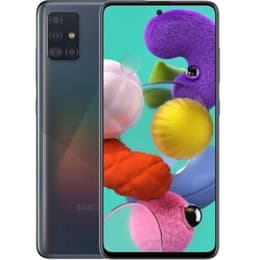
Galaxy A51
Galaxy A51
Starting at

Refurbished price:A$196.16

Versus A$592.00 new

See options
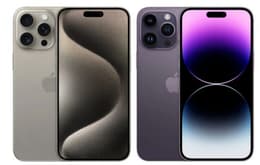
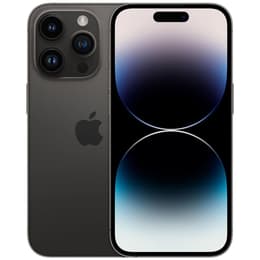
iPhone 14 Pro
iPhone 14 Pro
Starting at

Refurbished price:A$622.00

Versus A$1,749.00 new

See options

Ratings

The Samsung Galaxy A51, a mid-range Android smartphone released in late 2019 and early 2020, and the iPhone 14 Pro, a high-end iOS flagship launched in September 2022, cater to distinct user needs and preferences. These devices represent different philosophies in smartphone design and functionality, operating on the Android and iOS ecosystems respectively. Key differentiators between them include their performance capabilities, camera systems, and overall software longevity.

Scores

Durability

The expected practical lifespan and software support differ significantly between these two smartphones.

  • Release Timeline: The Samsung Galaxy A51 (4G variant) was initially released in December 2019, with the 5G variant following in April 2020. The iPhone 14 Pro was released nearly three years later, in September 2022.
  • Software Longevity: The Galaxy A51 launched with Android 10 and received its last major operating system update with Android 13, reaching its end-of-life for official Android updates. In contrast, the iPhone 14 Pro launched with iOS 16 and is expected to receive software updates for several more years, offering a longer period of feature and security enhancements.
  • Physical Durability & Repairability: The Galaxy A51 features a Gorilla Glass 3 front and a plastic back, without an official IP rating for water and dust resistance. Its repairability is rated around 6.5 out of 10, indicating that some components are replaceable but may require specialized tools and technical knowledge. The iPhone 14 Pro boasts a more robust build with a Ceramic Shield front, a stainless steel frame, and textured matte glass back, along with an IP68 rating for water and dust resistance. While the iPhone 14 generation initially showed promise for easier repairs due to internal redesign, challenges related to parts pairing and software authorization have led to a lower practical repairability assessment for this generation of iPhones.

Release year

2019

2022

Compatible with latest Update

No

Yes

Operating system

Android

iOS

Foldable

No

No

Performance

The performance capabilities of the Galaxy A51 and iPhone 14 Pro reflect their different market segments and release timelines.

  • Processing Power: The Samsung Galaxy A51 is powered by an Exynos 9611 processor (for the 4G model), which capably handles everyday tasks such as web browsing, social media, and light applications. However, users may notice slowdowns or less fluid operation when running more demanding applications or engaging in heavy multitasking. The iPhone 14 Pro features a more advanced current-generation Apple Bionic chip, providing exceptionally smooth and responsive performance across all tasks, including intensive gaming, video editing, and complex multitasking.
  • Memory and Storage: The Galaxy A51 is available with 4GB, 6GB, or 8GB of RAM and storage options of 64GB, 128GB, or 256GB, with the added flexibility of expandable storage via a microSD card. The iPhone 14 Pro comes with 6GB of RAM and offers internal storage configurations ranging from 128GB to 1TB, without expandable storage.
  • Battery Behavior: The Galaxy A51 is equipped with a 4000 mAh battery, which generally provides sufficient power for a full day of moderate use. The iPhone 14 Pro has a 3200 mAh battery, and while its capacity is numerically smaller, its optimized operating system and efficient processor contribute to good real-world battery life for many users, though some heavy users have noted it may require more frequent charging than its larger Pro Max counterpart.

Memory (GB)

6 GB

6 GB

Screen quality

The display technologies and features present distinct viewing experiences on these two devices.

  • Display Technology and Size: The Samsung Galaxy A51 features a 6.5-inch Super AMOLED Infinity-O display, known for its vibrant colors and deep blacks. The iPhone 14 Pro has a 6.1-inch Super Retina XDR OLED display, which also delivers rich colors and deep contrast.
  • Resolution and Smoothness: The Galaxy A51 offers a resolution of 1080 x 2400 pixels with a pixel density of approximately 405 ppi, and a standard 60Hz refresh rate. The iPhone 14 Pro provides a higher resolution of 2556 x 1179 pixels, resulting in a sharper image with approximately 460 ppi. It also incorporates ProMotion technology, offering an adaptive refresh rate that can scale from 1Hz to 120Hz, contributing to smoother scrolling and more fluid animations.
  • Brightness and Features: The iPhone 14 Pro's display can reach significantly higher peak brightness levels, up to 2000 nits outdoors, enhancing visibility in bright sunlight. It also includes an Always-On Display feature and the Dynamic Island, which dynamically adapts to show alerts and background activities. The Galaxy A51's display offers good brightness for indoor and typical outdoor use.

Resolution

1080 x 2400

1179 x 2556

Screen type

Super AMOLED

LTPO Super Retina XDR OLED

Audiovisual

The camera systems on the Galaxy A51 and iPhone 14 Pro are designed for different levels of photographic ambition.

  • Rear Camera System: The Samsung Galaxy A51 is equipped with a quad-camera setup on the rear, including a 48MP main sensor, a 12MP ultrawide lens, a 5MP macro lens, and a 5MP depth sensor. This system is capable of capturing good quality photos in well-lit conditions, suitable for everyday use and social sharing. The iPhone 14 Pro features an advanced triple-camera system, comprising a 48MP main sensor with sensor-shift optical image stabilization, a 12MP ultrawide lens, and a 12MP telephoto lens offering 3x optical zoom. This setup, combined with advanced computational photography, delivers exceptional detail, dynamic range, and low-light performance.
  • Front Camera and Video: For selfies, the Galaxy A51 has a 32MP front camera. It supports video recording up to 4K at 30 frames per second with its main rear camera. The iPhone 14 Pro includes a 12MP front camera with autofocus, which enhances clarity for selfies and video calls. Its video capabilities are extensive, including Cinematic mode for depth-of-field effects and ProRes video recording, offering professional-grade options.
  • Audio Experience: The Galaxy A51 features a single bottom-firing speaker and retains a 3.5mm headphone jack. The iPhone 14 Pro provides stereo speakers for a more immersive audio experience, but it does not include a 3.5mm headphone jack.

Main camera

48 megapixels

48 megapixels

Front camera

32 megapixels

12 megapixels

Miscellaneous

Beyond core features, several practical elements differentiate the user experience of these two devices.

  • Connectivity and Ports: The Samsung Galaxy A51 offers 4G connectivity (with a separate 5G variant available), Wi-Fi 5 (802.11ac), and Bluetooth 5.0. It uses a USB-C port for charging and data transfer. The iPhone 14 Pro supports 5G connectivity, Wi-Fi 6 (802.11ax), and Bluetooth 5.3, providing faster wireless speeds and improved efficiency. It utilizes Apple's proprietary Lightning port.
  • Biometric Security: The Galaxy A51 incorporates an in-display optical fingerprint sensor for unlocking and authentication. The iPhone 14 Pro relies on Face ID, Apple's facial recognition system, for secure unlocking and payments.
  • Design and Handling: The Galaxy A51 has dimensions of 158.5 x 73.6 x 7.9 mm and weighs 172g (4G model), offering a relatively lightweight and slender profile. The iPhone 14 Pro is slightly more compact at 147.5 x 71.5 x 7.85 mm but heavier at 206g, due to its premium build materials. The iPhone 14 Pro also includes advanced safety features like Crash Detection and Emergency SOS via Satellite.

Weight

172 oz

206 oz

Screen size (in)

6.5

6,1

Network

4G

5G

SIM card

Physical SIM

Physical SIM + eSIM

Carrier compatibility

Unlocked

Unlocked

The Samsung Galaxy A51 and iPhone 14 Pro serve different segments of the smartphone market, each with its own set of strengths and considerations. Users often praise the Galaxy A51 for its vibrant Super AMOLED display, the inclusion of a 3.5mm headphone jack, and expandable storage, which are practical benefits for many. However, common criticisms include its performance, which can feel less responsive with demanding applications, and an in-display fingerprint sensor that some users find inconsistent.

Conversely, the iPhone 14 Pro receives widespread acclaim for its exceptional camera system, powerful performance that handles any task with ease, a bright and fluid ProMotion display, and Apple's commitment to long-term software support. Some users have noted that its battery life, while generally good, might not always meet the expectations set by previous Pro Max models for very heavy usage, and the continued use of the Lightning port is a point of discussion.

Users prioritizing a functional Android experience for everyday communication, media consumption, and light tasks, who value traditional features like a headphone jack and expandable storage, may find the Galaxy A51 well-suited to their needs. On the other hand, users requiring top-tier performance for demanding applications, advanced photography and videography capabilities, a highly responsive and bright display, and extended software longevity within the Apple ecosystem will likely lean towards the iPhone 14 Pro. For those considering either device, exploring quality-assured refurbished options can provide an eco-friendly alternative.

See all articles

Our recent comparisons