Compare models
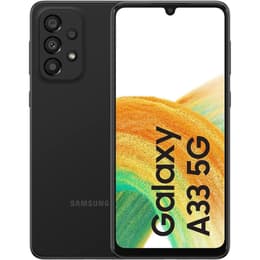
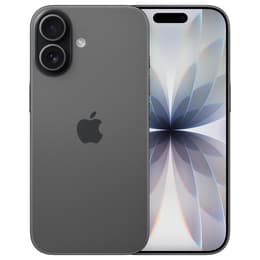
Galaxy A33 5G vs iPhone 17
- 1-year warranty
- Free standard shipping
- Free 30-day returns
Differences at a glance
The Samsung Galaxy A33 5G (2022) and the Apple iPhone 17 (2025) represent different generations and ecosystems in the smartphone market. While the Galaxy A33 5G focuses on delivering everyday essentials in a mid-range package, the iPhone 17 offers a more recent flagship-tier experience with contemporary updates. They differ significantly in their operating systems, running Android and iOS respectively, and target distinct stages of device evolution.
Available Models
Colour
Storage (GB)
Scores
Durability
When examining longevity and build construction, these two devices reflect different release timelines and software update commitments from their respective manufacturers.
- Software Support Window: The iPhone 17 benefits from a later release year, ensuring extended operating system updates and security patches well into the future, whereas the Galaxy A33 5G has a head start in age but maintains a structured multi-year update path.
- Build and Repairability: Both handsets feature robust water resistance ratings, though their frame materials and internal layouts vary according to their respective generation standards and design philosophies.
- Expected Lifespan: Users can anticipate solid long-term usability from both models, with the choice often depending on how current the user prefers their software environment to remain.
Release year
2022
2025
Compatible with latest Update
Yes
Yes
Operating system
Android
iOS
Foldable
No
No
Performance
Performance capabilities vary noticeably due to the generational gap between the two hardware configurations and internal memory allocations.
- Multitasking and App Handling: The iPhone 17 handles demanding applications, high-end mobile gaming, and background processes smoothly, while the Galaxy A33 5G reliably manages daily multitasking, social media apps, and standard productivity tasks.
- Storage Configurations: The iPhone 17 starts with larger baseline internal storage capacities, whereas the Galaxy A33 5G offers expandable storage via a microSD card slot for managing large media libraries.
- Battery Behavior: Both devices manage daily energy efficiently, though individual usage habits such as continuous video streaming or navigation will dictate whether a midday recharge is necessary.
Screen quality
Display technology differs between the two models, impacting outdoor visibility, motion smoothness, and overall visual clarity.
- Panel Technology and Refresh Rate: The iPhone 17 features an advanced OLED screen with an adaptive high refresh rate for fluid scrolling, while the Galaxy A33 5G utilizes a Super AMOLED panel capped at a fixed 90 Hz refresh rate.
- Peak Brightness: The iPhone 17 reaches significantly higher peak outdoor brightness levels for improved legibility under direct sunlight, whereas the Galaxy A33 5G delivers comfortable indoor and moderate outdoor viewing.
- Screen Dimensions: Both displays offer ample viewing space for media consumption, web browsing, and reading, though panel responsiveness and color calibration reflect their respective design tiers.
Audiovisual
Camera hardware and media playback capabilities cater to different photography preferences and everyday content creation needs.
- Rear Camera Systems: The iPhone 17 utilizes a dual high-resolution lens setup that excels in varied lighting conditions and complex low-light environments, while the Galaxy A33 5G employs a versatile quad-camera array suited for standard snapshots and macro photography.
- Video Recording: The iPhone 17 supports advanced stabilization features and cinematic recording options, whereas the Galaxy A33 5G captures stable, clear 4K video clips for casual sharing.
- Audio and Media Output: Stereo speaker systems on both models deliver clear sound reproduction for hands-free calls, podcasts, and casual video viewing without requiring external speakers.
Front camera
13 megapixels
18 megapixels
Miscellaneous
Practical daily features, connectivity standards, and physical handling characteristics shape the overall user experience of each device.
- Connectivity and Ports: The iPhone 17 adopts modern USB-C connectivity alongside advanced wireless and cellular standards, whereas the Galaxy A33 5G also utilizes USB-C and includes comprehensive 5G network support.
- Biometric Security: Security authentication differs through the use of facial recognition on the iPhone 17 and an optical in-display fingerprint scanner on the Galaxy A33 5G.
- Physical Dimensions: Weight distribution and body thickness vary slightly, influencing how comfortably each phone rests in the hand or pocket during daily travel.
Weight
186 oz
177 oz
Screen size (in)
6.4
6.3
Network
5G
5G
SIM card
Physical SIM
Physical SIM + eSIM
Carrier compatibility
Unlocked
Unlocked
What the community thinks
User feedback from online communities highlights distinct preferences for each device. Owners of the Galaxy A33 5G frequently praise its dependable battery longevity, expandable storage flexibility, and balanced everyday utility. Conversely, users of the iPhone 17 often emphasize the fluid display smoothness, robust camera performance, and long-term software support ecosystem.
Users prioritizing expanded storage, expandable media options, and a streamlined Android interface may find the Galaxy A33 5G well-suited to their daily routine. Meanwhile, users prioritizing maximum display brightness, advanced camera capabilities, and prolonged software longevity will lean toward the iPhone 17. Selecting a quality-assured refurbished option through Back Market provides an eco-friendly alternative that extends device life cycles while supporting sustainable technology choices. Ultimately, the right choice depends on individual workflow preferences and platform familiarity rather than any single definitive advantage.