
Galaxy A33 5G vs iPhone 12

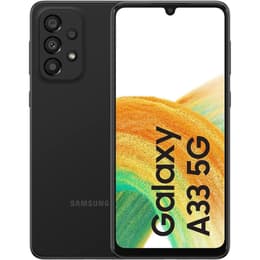
Galaxy A33 5G
Galaxy A33 5G
Starting at

Refurbished price:A$205.00

Versus A$495.00 new

See options
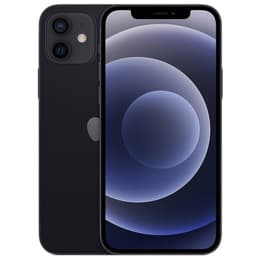
iPhone 12
iPhone 12
Starting at

Refurbished price:A$303.00

Versus A$1,129.00 new

See options

The Samsung Galaxy A33 5G, released in early 2022, and the Apple iPhone 12, launched in late 2020, represent distinct approaches to smartphone design and functionality. While the Galaxy A33 5G was introduced as a feature-rich mid-range Android device, the iPhone 12 entered the market as a flagship iOS model. These devices offer different user experiences, primarily distinguished by their operating systems and core hardware philosophies. The Galaxy A33 5G often focuses on battery longevity and display smoothness, whereas the iPhone 12 prioritizes processing efficiency and a compact design.

Scores

Durability

The longevity of a smartphone is influenced by its physical resilience and the duration of software support it receives.

  • Software Support: The Galaxy A33 5G is expected to receive major Android OS updates for several years, with security updates extending further. The iPhone 12, while older, benefits from Apple's long-term update cycle, typically receiving six to seven years of support, which means both devices align for a similar retirement from major operating system updates.
  • Physical Build: The iPhone 12 features a Ceramic Shield front glass and an aluminum frame, contributing to enhanced drop resistance. The Galaxy A33 5G utilises a robust plastic build for its back and a glass front with Gorilla Glass 5 protection, offering durability against everyday impacts. Both devices offer water and dust resistance, with the iPhone 12 rated IP68 and the Galaxy A33 5G rated IP67.
  • Repairability: Repairing the Galaxy A33 5G can often be more straightforward for certain components like screen replacements due to its modular internal design. The iPhone 12 has a vast network of professional repair services available.

Release year

2022

2020

Compatible with latest Update

Yes

Yes

Operating system

Android

iOS

Foldable

No

No

Performance

Performance in daily use is a key differentiator, with both devices offering capabilities suited to their respective segments.

  • Daily Responsiveness: The iPhone 12 maintains a high level of fluidity when switching between demanding applications or handling tasks like video editing, thanks to its efficient internal architecture. The Galaxy A33 5G provides a stable experience for standard browsing and social media, though users might notice slight pauses when launching very intensive games compared to the more immediate response of the iPhone.
  • Multitasking and Storage: The Galaxy A33 5G typically comes with 6GB or 8GB of RAM, supporting smooth multitasking across various applications. The iPhone 12 features 4GB of RAM, which, combined with iOS optimization, allows for efficient app management. The Galaxy A33 5G also supports expandable storage via a microSD card, a feature not present on the iPhone 12, which relies solely on its fixed internal capacity options of 64GB, 128GB, or 256GB.
  • Battery Behavior: The Galaxy A33 5G houses a larger battery, often lasting through a full day of heavy use and potentially into a second day for lighter users. The iPhone 12's battery typically requires more disciplined power management or a mid-day top-up for intensive users to last a full day.

Memory (GB)

4 GB

4 GB

Screen quality

Both devices offer vibrant displays, though they prioritize different aspects of the visual experience.

  • Display Technology and Fluidity: The Galaxy A33 5G features a 6.4-inch Super AMOLED display with a 90Hz refresh rate, which makes scrolling and animations appear smoother than the standard 60Hz screen on the iPhone 12. The iPhone 12 features a 6.1-inch Super Retina XDR OLED display, known for its deep blacks and vibrant colors.
  • Resolution and Clarity: The Galaxy A33 5G offers a resolution of 1080 x 2400 pixels, resulting in a pixel density of approximately 411 PPI. The iPhone 12 has a higher resolution of 2532 x 1170 pixels at 460 PPI, providing slightly sharper text and images.
  • Brightness and Viewing Experience: Both displays offer good brightness levels for outdoor visibility. The iPhone 12's OLED panel provides excellent contrast and HDR capabilities, enhancing media consumption. The Galaxy A33 5G's larger screen size may offer a more expansive viewing experience for content.

Resolution

1080 x 2400

1170 x 2532

Screen type

Super AMOLED

Super Retina XDR OLED

Audiovisual

The camera systems on these devices cater to different photographic preferences and capabilities.

  • Rear Camera System: The Galaxy A33 5G includes a versatile quad-camera system, featuring a 48MP main lens with optical image stabilization (OIS), an 8MP ultrawide, a 5MP macro, and a 2MP depth sensor, offering flexibility for various shooting scenarios. The iPhone 12 features a dual 12MP camera system, consisting of a wide and an ultrawide lens, both designed for consistent image quality and color accuracy.
  • Photography Performance: For users who value versatility and detailed close-up shots, the Galaxy A33 5G's macro lens provides additional creative options. The iPhone 12 focuses on delivering balanced exposure and natural skin tones across its main and ultrawide lenses, with strong performance in various lighting conditions, including improved low-light capabilities.
  • Video Recording: The iPhone 12 generally provides smoother video stabilization and better dynamic range, particularly in challenging lighting, making it a strong choice for video recording. The Galaxy A33 5G performs well in daylight video recording. Both devices support 4K video recording.

Main camera

48 megapixels

12 megapixels

Front camera

13 megapixels

12 megapixels

Miscellaneous

Beyond core specifications, several practical elements contribute to the overall user experience.

  • Connectivity and Ports: Both devices support 5G connectivity, offering faster mobile data speeds. The Galaxy A33 5G uses the universal USB-C standard for charging and data transfer, while the iPhone 12 uses Apple's proprietary Lightning port. The Galaxy A33 5G lacks a 3.5mm headphone jack, a first for its series, aligning with the iPhone 12 which also does not feature one.
  • Biometrics and Design: The iPhone 12 relies on facial recognition for secure unlocking and authentication. The Galaxy A33 5G uses an optical in-display fingerprint sensor. In terms of physical design, the iPhone 12 is notably thinner and lighter, with flat edges, while the Galaxy A33 5G is slightly larger and heavier, featuring a matte plastic finish that resists fingerprints.
  • Additional Features: The iPhone 12 includes MagSafe, a magnetic system for wireless charging and accessories. The Galaxy A33 5G offers dual SIM capabilities (Nano-SIM or Hybrid Dual SIM).

Weight

186 oz

164 oz

Screen size (in)

6.4

6.1

Network

5G

5G

SIM card

Physical SIM

Physical SIM + eSIM

Carrier compatibility

Unlocked

Unlocked

User feedback often highlights the Galaxy A33 5G as a reliable device, with many praising its extended battery life and the inclusion of expandable storage. Some users note that its processor can occasionally show slight hesitation with the most intensive applications, though it remains a solid performer for general productivity and media consumption.

The iPhone 12 is frequently lauded for its consistent camera performance, the fluidity of the iOS ecosystem, and its compact, premium design. Common observations include its battery life requiring more careful management for heavy users and the absence of expandable storage.

Users who prioritize long-lasting battery life, a larger display for media, and the flexibility of expandable storage will find the Galaxy A33 5G well-suited to their needs. Conversely, those who prefer a more compact design, refined video recording capabilities, and seamless integration within the Apple ecosystem may lean toward the iPhone 12. Choosing a quality-assured refurbished option for either device allows users to access these features while making a sustainable choice.
See all articles

Our recent comparisons