Compare models
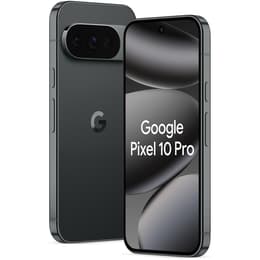
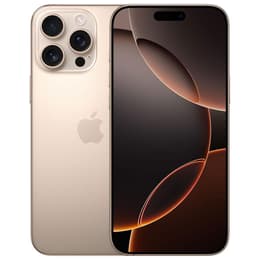
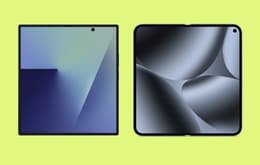
Google Pixel 10 Pro vs iPhone 16 Pro Max
- 1-year warranty
- Free standard shipping
- Free 30-day returns
Differences at a glance
The Google Pixel 10 Pro (2025) and the iPhone 16 Pro Max (2024) represent flagship options from two distinct mobile ecosystems. While the Google Pixel 10 Pro runs on Android and emphasizes deep integration with artificial intelligence assistants, the iPhone 16 Pro Max operates on iOS with a focus on polished multimedia rendering. Both devices deliver robust performance capabilities, though they approach software interactions, display dimensions, and ecosystem connectivity from different design philosophies.
Available Models
Colour
Storage
Scores
Durability
When evaluating hardware durability and software longevity, both models offer extended support windows backed by robust build materials, though their release years and update frameworks differ.
- Software longevity: The Google Pixel 10 Pro benefits from a newer 2025 release baseline with multi-year OS update commitments, whereas the iPhone 16 Pro Max launched in late 2024 with a well-established track record for long-term iOS updates.
- Build resilience: Both devices incorporate scratch-resistant glass panels, sturdy metal frames, and official water resistance ratings designed to withstand daily environmental exposure.
- Repairability framework: Both manufacturers provide structured repair paths and official component replacement options to support long-term device maintenance.
Release year
2025
2024
Foldable
No
No
Performance
Daily operation and multitasking capabilities are handled differently across these platforms, influenced by RAM allocation, thermal management, and software optimization.
- Multitasking capacity: The Google Pixel 10 Pro relies on generous RAM capacity to manage concurrent background processes, while the iPhone 16 Pro Max utilizes efficient hardware-software integration for smooth app switching.
- App responsiveness: Both devices load demanding applications, handle high-end mobile games, and navigate system menus smoothly without noticeable stutter during intensive tasks.
- Battery behavior: The iPhone 16 Pro Max features a high-capacity battery optimized for extended media playback, whereas the Google Pixel 10 Pro delivers dependable all-day power under standard usage conditions.
Screen quality
Display characteristics vary significantly in physical size and panel tuning, offering distinct viewing experiences for daily content consumption.
- Display technology: Both smartphones utilize advanced OLED panels that produce deep black levels, high contrast ratios, and vivid color reproduction.
- Refresh rate smoothness: Dynamic refresh rates scaling up to 120 Hz ensure fluid scrolling through web pages and responsive touch interactions on both screens.
- Viewing canvas: The iPhone 16 Pro Max provides an expansive large-format display canvas for media viewing, while the Google Pixel 10 Pro adopts a more compact form factor that balances screen estate with one-handed reachability.
Resolution
1280x2856
1320 x 2868
Audiovisual
Imaging hardware and computational processing shape how each device captures photos and records video in various lighting environments.
- Lens versatility: Both models feature multi-lens configurations including main, ultra-wide, and telephoto sensors to handle diverse photographic perspectives.
- Video recording: The iPhone 16 Pro Max offers high-resolution video capture with professional stabilization tools, while the Google Pixel 10 Pro emphasizes computational photography adjustments for balanced exposure and clarity.
- Audio reproduction: Built-in stereo speakers on both handsets deliver clear voice output for calls and rich sound profiles for casual media consumption.
Miscellaneous
Practical physical and connectivity attributes influence how each smartphone integrates into daily routines and travel requirements.
- Connectivity standards: Both devices support 5G cellular networks, high-speed Wi-Fi standards, and Bluetooth pairing for modern wireless accessories.
- Port interface: Universal USB-C ports handle rapid wired charging and data transfers on both models.
- Physical handling: The Google Pixel 10 Pro presents a lighter, narrower profile for ergonomic handling, while the iPhone 16 Pro Max features a larger footprint that accommodates its expansive screen.
Weight
213 oz
227 oz
Screen size (in)
6.3
6.9
Network
5G
5G
SIM card
Physical SIM + eSIM
Physical SIM + eSIM
Carrier compatibility
Unlocked
Unlocked
What the community thinks
User feedback from community discussions highlights distinct preferences for each ecosystem. Owners of the Google Pixel 10 Pro frequently praise its intuitive artificial intelligence integration, clean interface design, and comfortable handling dimensions. Conversely, users of the iPhone 16 Pro Max highlight its dependable battery longevity, high-tier video recording capabilities, and seamless integration with other Apple hardware. Common criticisms for the Pixel involve occasional warmth during heavy processing tasks, while some users note the iPhone's larger physical dimensions can feel heavy during prolonged one-handed use.
Users prioritizing a compact form factor, extensive AI utility, and deep Android customization will find the Google Pixel 10 Pro well-suited to their needs. Meanwhile, users prioritizing expansive screen estate, prolonged battery endurance, and iOS ecosystem continuity may lean toward the iPhone 16 Pro Max. For those seeking a sustainable choice, a quality-assured refurbished option provides a practical way to acquire either device while minimizing environmental impact.