
Galaxy A14 vs iPhone 13 Pro

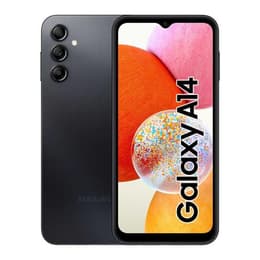
Galaxy A14
Galaxy A14
Starting at

Refurbished price:A$216.00

Versus A$390.00 new

See options
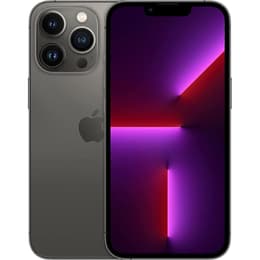
iPhone 13 Pro
iPhone 13 Pro
Starting at

Refurbished price:A$549.00

Versus A$1,539.00 new

See options

Ratings

The Samsung Galaxy A14, released in early 2023, and the iPhone 13 Pro, launched in late 2021, represent distinct approaches to smartphone design and functionality. While the Galaxy A14 focuses on delivering essential features within the Android ecosystem, the iPhone 13 Pro offers a more advanced experience within Apple's iOS platform. These differences extend across their core specifications, camera capabilities, and overall user experience.

Scores

Durability

The longevity of a smartphone is influenced by its release date, software support, and repairability.

  • Release Timeline: The iPhone 13 Pro was released in September 2021, making it an older device compared to the Galaxy A14, which launched in January 2023 (5G model) or February 2023 (4G model).
  • Software Support: The iPhone 13 Pro typically receives 5-6 years of major iOS updates, having shipped with iOS 15 and being compatible with iOS 18. The Galaxy A14, launching with Android 13, is expected to receive two major OS upgrades (up to Android 15) and four years of security updates, extending until 2027.
  • Repairability: The Galaxy A14 has a repairability score of 8 out of 10, partly due to its easy-to-disassemble design and a battery held by an adhesive pull pouch. In contrast, the iPhone 13 Pro received a repairability score of 5 out of 10, with iFixit noting that while display and battery replacements are prioritized, software limitations can complicate third-party repairs, potentially disabling features like Face ID if non-genuine parts are used.

Release year

2023

2021

Compatible with latest Update

No

Yes

Operating system

Android

iOS

Foldable

No

No

Performance

Performance varies significantly between these two devices, impacting how smoothly they handle daily tasks and demanding applications.

  • Processing Power: The iPhone 13 Pro features a powerful current-generation processor, enabling smooth handling of demanding apps, graphic-intensive games, and seamless multitasking. The Galaxy A14 is equipped with a processor designed for everyday tasks, providing adequate performance for general use, browsing, and light applications.
  • Multitasking and Responsiveness: With 6GB of RAM, the iPhone 13 Pro offers robust multitasking capabilities, allowing users to switch between numerous applications without noticeable slowdowns. The Galaxy A14 typically comes with 4GB or 6GB of RAM, which is suitable for moderate multitasking, though it may show limitations with a large number of open applications.
  • Battery Behavior: The Galaxy A14 houses a large 5000 mAh battery, which generally translates to extended usage times for many users. The iPhone 13 Pro, despite a smaller battery capacity, is optimized by its operating system to deliver strong battery life, often lasting through a full day of heavy use.

Memory (GB)

4 GB

6 GB

Screen quality

The visual experience differs considerably due to the display technologies and specifications of each device.

  • Display Technology and Clarity: The iPhone 13 Pro features a 6.1-inch Super Retina XDR OLED display, offering deep blacks, high contrast, and vibrant colors with a resolution of 2532 x 1170 pixels. The Galaxy A14 comes with a larger 6.6-inch PLS LCD display, providing a clear viewing experience with a resolution of 1080 x 2408 pixels.
  • Refresh Rate and Smoothness: The iPhone 13 Pro includes ProMotion technology, offering an adaptive refresh rate that can go up to 120Hz for smoother scrolling and more fluid animations, and down to 10Hz to conserve battery. The 5G variant of the Galaxy A14 features a 90Hz refresh rate, which provides a smoother experience than standard 60Hz displays, while the 4G model typically has a 60Hz refresh rate.
  • Brightness Levels: The iPhone 13 Pro's display can reach up to 1000 nits typical brightness and 1200 nits peak brightness for HDR content, making it highly visible in various lighting conditions, including bright sunlight. The Galaxy A14's display offers adequate brightness for indoor and outdoor use, though it may be less visible under direct sunlight compared to the iPhone 13 Pro.

Resolution

1080 x 2408

1170 x 2532

Screen type

PLS LCD

Super Retina XDR OLED

Audiovisual

Both smartphones offer camera systems capable of capturing photos and videos, but with different levels of sophistication and features.

  • Rear Camera System: The iPhone 13 Pro boasts a versatile triple 12MP camera system, including Wide, Ultra-Wide, and Telephoto lenses, along with a LiDAR scanner for improved low-light focusing and depth sensing. It excels in various lighting conditions, offering features like Night mode, Smart HDR 4, and Photographic Styles. The Galaxy A14 features a triple camera setup with a 50MP main sensor, complemented by 2MP macro and 2MP depth sensors.
  • Video Recording Capabilities: The iPhone 13 Pro supports advanced video recording features such as Cinematic mode for shallow depth of field, HDR video recording with Dolby Vision up to 4K at 60 fps, and ProRes video recording. The Galaxy A14 is capable of recording 1080p video at 30 frames per second.
  • Front Camera and Audio: The iPhone 13 Pro includes a 12MP TrueDepth front camera with features like Night mode and Cinematic mode for selfies and video calls. The Galaxy A14 has a 13MP front-facing camera. User feedback for the Galaxy A14 sometimes notes issues with sound quality and microphone performance in certain apps.

Main camera

50 megapixels

12 megapixels

Front camera

13 megapixels

12 megapixels

Miscellaneous

Beyond core features, several practical elements contribute to the overall user experience and device utility.

  • Connectivity and Ports: Both devices support 5G connectivity, offering faster mobile data speeds. The Galaxy A14 includes a 3.5mm headphone jack and uses a USB-C port, while the iPhone 13 Pro uses Apple's proprietary Lightning port.
  • Biometric Security: The iPhone 13 Pro relies on Face ID for secure facial recognition. The Galaxy A14 features a side-mounted fingerprint sensor for biometric authentication.
  • Design and Build: The iPhone 13 Pro features a premium build with a stainless steel frame, Ceramic Shield front cover, and textured matte glass back, contributing to its durability. The Galaxy A14 has a plastic frame and back, which offers a sturdy feel and resistance to fingerprints. The iPhone 13 Pro is also rated IP68 for water and dust resistance.

Weight

201 oz

203 oz

Screen size (in)

6.6

6,1

Network

4G

5G

SIM card

Physical SIM

Physical SIM + eSIM

Carrier compatibility

Unlocked

Unlocked

Choosing between the Samsung Galaxy A14 and the iPhone 13 Pro involves weighing different priorities and ecosystems. The iPhone 13 Pro, released in 2021, is often praised by users for its powerful performance, exceptional camera system, and vibrant OLED display with a high refresh rate. Users frequently highlight its smooth operation and consistent software experience. However, some users have noted concerns regarding its repairability, particularly with third-party repairs potentially affecting features like Face ID.

The Samsung Galaxy A14, a more recent release from 2023, is generally appreciated for its large display, long-lasting battery, and commendable repairability score. Users find it suitable for everyday tasks and appreciate its expandable storage. Conversely, some users have expressed concerns about its overall performance for demanding applications, camera quality in certain situations, and occasional issues with audio.

Users prioritizing a highly fluid user experience, advanced camera capabilities, and a premium build for creative tasks or intensive gaming may find the iPhone 13 Pro well-suited to their needs. Those who prioritize a larger screen, extended battery life, and greater ease of repair, along with a more budget-conscious approach to smartphone ownership, might lean towards the Galaxy A14. Both devices are available as quality-assured refurbished options, providing an eco-friendly alternative for consumers.
See all articles

Our recent comparisons