Compare models

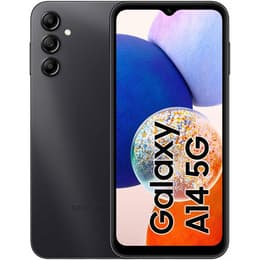
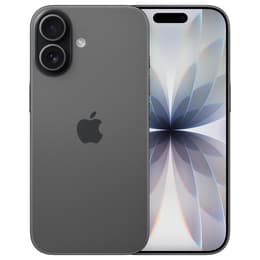
Galaxy A14 5G vs iPhone 17

  • 1-year warranty
  • Free standard shipping
  • Free 30-day returns
Galaxy A14 5G
Starting at

Refurbished price:A$198.00

Versus A$417.00 new

See options
iPhone 17
Starting at

Refurbished price:A$1,503.05

Versus A$1,549.00 new

See options

Differences at a glance

The Samsung Galaxy A14 5G (2023) and the Apple iPhone 17 (2025) belong to entirely different tiers and generations of mobile technology, catering to distinct segments of the smartphone market. While the Galaxy A14 5G runs on the Android operating system with Samsung's customized interface, the iPhone 17 operates on Apple's proprietary iOS software. These devices differ substantially in release timing, hardware philosophy, and software ecosystems, making them suited for very different user expectations.

Available Models

Colour

Storage (GB)

Scores

Durability

When examining hardware longevity and software support, both models offer distinct timelines shaped by their respective release dates and manufacturer policies.

  • Software Support Duration: The iPhone 17 benefits from Apple's extended multi-year update schedule, whereas the Galaxy A14 5G has a more modest software lifecycle reflecting its earlier release year.
  • Repairability and Build Maintenance: Both devices feature standardized component layouts, though parts availability and structural durability frameworks differ between manufacturer service networks.
  • Expected Practical Lifespan: Users seeking long-term operational relevance across multiple years of software upgrades will find structural differences in how each manufacturer maintains older hardware.

Release year

2023

2025

Compatible with latest Update

Yes

Yes

Operating system

Android

iOS

Foldable

No

No

Performance

System responsiveness and daily multitasking capabilities vary significantly due to the generation gap and internal hardware architecture of each phone.

  • Storage Configurations: The iPhone 17 starts with higher baseline internal storage capacity, while the Galaxy A14 5G offers expandable storage via a microSD card slot.
  • Battery Behavior: Both devices manage daily power consumption efficiently, with large battery capacities supporting typical mixed usage patterns through a full day.
  • Multitasking and App Responsiveness: The iPhone 17 handles demanding applications and heavy background tasks smoothly with its current-generation processing architecture, whereas the Galaxy A14 5G is optimized for everyday essential tasks like web browsing, messaging, and media streaming.

Screen quality

Visual output and display responsiveness present notable differences in clarity, brightness, and motion handling during media consumption.

  • Display Technology: The iPhone 17 utilizes an advanced OLED panel with deep contrast levels, whereas the Galaxy A14 5G employs a standard LCD screen.
  • Refresh Rate and Motion: The iPhone 17 features a high refresh rate display for smooth scrolling, complemented by the 90 Hz refresh rate offered on the Galaxy A14 5G.
  • Outdoor Visibility: Peak brightness levels on the iPhone 17 allow for clear outdoor viewing under direct sunlight, while the Galaxy A14 5G provides adequate visibility for standard daily lighting conditions.

Audiovisual

Multimedia capture and audio output capabilities reflect the distinct hardware classes of each device, influencing photo, video, and sound experiences.

  • Camera System Capabilities: The iPhone 17 features high-resolution dual rear sensors capable of detailed low-light photography, while the Galaxy A14 5G relies on a multi-lens setup geared toward standard everyday snapshots.
  • Video and Audio Recording: Video stabilization and microphone clarity are tuned for distinct fidelity levels, with the iPhone 17 supporting advanced cinematic recording formats.
  • Media Consumption Sound: Stereo speaker output on the iPhone 17 delivers balanced spatial audio for videos and music, compared to the single or basic speaker setup found on the Galaxy A14 5G.

Front camera

13 megapixels

18 megapixels

Miscellaneous

Physical design choices, connectivity standards, and daily handling characteristics determine how each smartphone fits into physical routines.

  • Connectivity Standards: Both devices support 5G cellular networks, with the iPhone 17 incorporating newer Wi-Fi and Bluetooth protocol iterations.
  • Physical Ports: The iPhone 17 utilizes a universal USB-C port for charging and data transfer, matching modern cable standards.
  • Dimensions and Handling: The Galaxy A14 5G features a slightly larger physical footprint and heftier build, whereas the iPhone 17 provides a more compact, streamlined form factor with modern protective glass.

Weight

205 oz

177 oz

Screen size (in)

6.6

6.3

Network

5G

5G

SIM card

Physical SIM

Physical SIM + eSIM

Carrier compatibility

Unlocked

Unlocked

What the community thinks

User discussions across online communities frequently highlight the Galaxy A14 5G for its straightforward functionality, reliable everyday battery performance, and expandable storage convenience. Common observations note that while its processing speed and screen technology are modest, it meets basic communication needs effectively. Conversely, discussions surrounding the iPhone 17 center on its fluid display performance, robust processing headroom, and advanced camera versatility, though users occasionally note the higher baseline investment required for current-generation Apple hardware.

Users prioritizing long-term software support, high-end display fidelity, and advanced photographic tools may lean toward the iPhone 17, while those seeking a straightforward, essential mobile device with expandable storage will find the Galaxy A14 5G aligned with their daily requirements. For consumers exploring sustainable options, choosing a quality-assured refurbished option through platforms like Back Market provides an eco-friendly alternative that extends device lifecycles without compromising on performance verification. Evaluating personal workflow priorities remains the most effective approach to selecting the right smartphone.

See all articles