Compare models
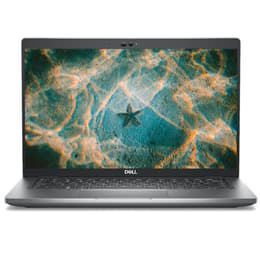
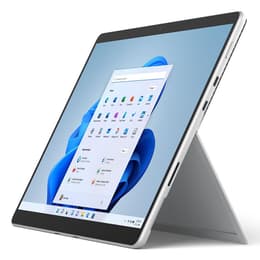
Dell Latitude 5430 14" vs Microsoft Surface Pro 8 13"
- 1-year warranty
- Free standard shipping
- Free 30-day returns
Differences at a glance
The Dell Latitude 5430 (2022) and the Microsoft Surface Pro 8 (2021) represent two distinct approaches to portable computing, contrasting a traditional clamshell business laptop with a versatile 2-in-1 detachable tablet. While both run on Windows operating systems and utilize efficient processors for daily productivity, their physical form factors and interface options create fundamentally different user experiences.
Available Models
Storage (GB)
Processor
Memory (GB)
Scores
Durability
When evaluating the longevity and construction of these two machines, both options provide strong multi-year software support through Windows operating system lifecycles while differing significantly in hardware modularity and physical wear expectations.
- Update timeline and software lifespan: Both computers receive regular security patches and system upgrades directly from Microsoft, ensuring matching software compatibility for enterprise and personal environments.
- Repairability and component access: The Dell Latitude 5430 features a traditional service-friendly chassis allowing straightforward internal component replacement, whereas the Microsoft Surface Pro 8 relies on a sealed tablet body that presents greater complexity for physical repairs.
- Expected practical durability: The Latitude uses reinforced business-grade plastics designed to withstand daily travel and office wear, while the Surface Pro utilizes an aluminum enclosure that prioritizes a slim profile alongside its adjustable kickstand.
Release year
2022
2021
Operating system
Windows 11
Windows 11
Performance
Both devices handle everyday multitasking, web browsing, and document editing smoothly, but they manage sustained workloads and internal hardware configurations differently based on their physical footprints.
- System responsiveness and multitasking: Modern multi-core processor options combined with ample memory ensure fast application launching and fluid switching between office productivity tools and browser tabs.
- Thermal management and sustained loads: The Dell laptop chassis allows for steady airflow during extended computing tasks, while the compact tablet design of the Surface Pro can generate warmer exterior temperatures during demanding workloads.
- Storage capacity and flexibility: Both devices offer configurable solid-state drive tiers, with the Surface Pro featuring a user-accessible removable storage door for added convenience.
Graphic card
Integrated Graphics
Integrated Graphics
Screen quality
Display characteristics differ notably between the two models, impacting how users interact with visual content, media playback, and creative applications during daily use.
- Display technology and resolution: The Microsoft Surface Pro 8 features a higher-resolution touchscreen panel with a 3:2 aspect ratio, whereas the Dell Latitude 5430 utilizes a traditional 16:9 widescreen layout.
- Refresh rate and visual smoothness: The Surface Pro supports an adjustable higher refresh rate option for smoother scrolling and pen input responsiveness, while the Latitude standardizes on a conventional display refresh rate.
- Brightness and outdoor visibility: Both screens provide sufficient luminance for indoor office spaces and classrooms, though bright sunlight conditions require manual adjustments to maintain clear visibility on anti-glare or glossy glass panels.
Resolution
1920 x 1080
2256 x 1504
Screen type
LCD
LED
Audiovisual
Media consumption, audio output, and virtual collaboration capabilities vary across these distinct designs, tailored to different styles of communication and entertainment.
- Video collaboration tools: The Surface Pro includes both front and rear cameras equipped with high-resolution sensors for detailed video calls and document scanning, complemented by secure facial recognition.
- Audio output and speakers: Integrated stereo speakers deliver clear voice audio for virtual meetings, with the Surface Pro incorporating spatial audio processing to enrich media streaming experiences.
- Microphone clarity: Dual microphone arrays filter out ambient background noise effectively on both devices, ensuring clear speech transmission during remote conferences and voice notes.
Miscellaneous
Physical connectivity, port selections, and daily handling characteristics highlight the divergence between a dedicated workstation laptop and a mobile tablet hybrid.
- Port selection and connectivity: The Dell Latitude 5430 offers extensive built-in ports including standard USB connectors, HDMI, an Ethernet jack, and multiple Thunderbolt options without requiring adapters. In contrast, the Surface Pro 8 streamlines its profile by providing dual Thunderbolt ports alongside a proprietary charging connection.
- Physical dimensions and weight: The Latitude weighs slightly more and requires a traditional carrying bag, while the lighter Surface Pro functions as a standalone slate or a compact laptop when paired with a detachable keyboard cover.
- Wireless capabilities: Both models integrate modern wireless standards and Bluetooth protocols to ensure stable connections to peripherals and networks.
Weight
1360 oz
2500 oz
Screen size
14
13
What the community thinks
Users prioritizing traditional laptop ergonomics, extensive built-in port variety, and straightforward physical maintenance often lean toward the Dell Latitude 5430. Conversely, individuals who value pen input versatility, a high-resolution touch display, and ultra-portable tablet flexibility frequently prefer the Microsoft Surface Pro 8. Choosing between them depends entirely on whether your daily routine calls for a conventional workstation or a lightweight convertible device. For buyers seeking a sustainable choice, exploring a quality-assured refurbished option provides an eco-friendly alternative that extends the lifecycle of these capable machines without compromising functional standards.