Compare models
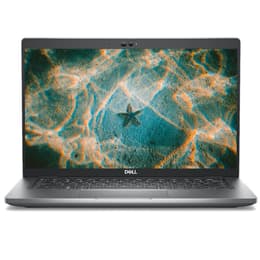
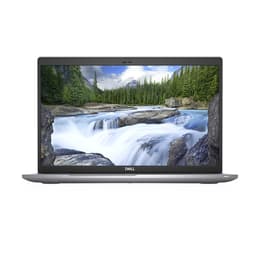
Dell Latitude 5430 14" vs Dell Latitude 5520 15"
- 1-year warranty
- Free standard shipping
- Free 30-day returns
Differences at a glance
The Dell Latitude 5430 (2022) and the Dell Latitude 5520 (2021) are reliable business-class notebooks designed for professional and academic environments. While both laptops run on the Windows operating system and offer robust productivity features, they differ primarily in their physical footprint and hardware generation. The Latitude 5430 features a compact 14-inch screen paired with a newer processor generation, whereas the Latitude 5520 provides a larger 15.6-inch workspace powered by the previous hardware generation.
Scores
Durability
Both notebooks are built for longevity with sturdy corporate-grade chassis designs, though their release years and hardware timelines differ slightly.
- Release Timeline and Software Support: The Latitude 5430 debuted in 2022 with a newer processor architecture, giving it an extra year of recent hardware backing compared to the 2021 release of the Latitude 5520. Both models receive standard system firmware updates and support Windows OS lifecycles similarly.
- Repairability and Upgradability: Both laptops feature modular internal components with dual slot RAM and accessible storage drives, earning high marks for physical repairability and part replacement ease.
- Expected Lifespan: Thanks to durable construction and field-replaceable parts, both devices deliver long practical lifespans well-suited for everyday professional workloads.
Release year
2022
2021
Operating system
Windows 11
Windows 11
Performance
Both laptops offer flexible configuration paths for storage and memory, though their underlying processing platforms reflect their respective release years.
- Multitasking and Responsiveness: The Latitude 5430 utilizes a generation-newer processor lineup that yields slightly faster app loading and improved thermal efficiency during heavy multitasking. The Latitude 5520 handles office suites, web browsing, and multi-window workflows smoothly.
- Memory and Storage: Both machines support up to ample DDR4 RAM and fast solid-state storage configurations, ensuring swift system boots and reliable file handling.
- Battery Behavior: Both models offer solid battery life that comfortably carries typical mobile users through standard work sessions, though heavy application use increases charging frequency on both devices.
Graphic card
Integrated Graphics
Integrated Graphics
Screen quality
Display choices define the primary ergonomic difference between these two business notebooks.
- Screen Size and Workspace: The Latitude 5430 utilizes a 14-inch display that balances portability with adequate working area, while the Latitude 5520 provides a larger 15.6-inch panel that accommodates side-by-side window multitasking more comfortably.
- Panel Technology and Clarity: Both models commonly feature anti-glare Full HD panels with crisp text clarity and wide viewing angles, though configurations with low-end resolution panels exist and should be avoided.
- Brightness and Outdoor Use: Standard configurations for both laptops offer moderate brightness levels sufficient for indoor office lighting, while outdoor usage in direct sunlight can feel constrained.
Resolution
1920 x 1080
3840 x 2160
Screen type
LCD
LCD
Audiovisual
Multimedia components on both machines cater primarily to remote conferencing and everyday media consumption.
- Webcam and Conferencing: Both laptops feature integrated webcams and clear microphone arrays that handle video calls and virtual meetings reliably.
- Audio Output: Built-in dual stereo speakers deliver clear dialogue for voice calls and casual video streaming, though external headphones are recommended for immersive listening.
Miscellaneous
Connectivity and physical design elements highlight the practical nature of these enterprise portables.
- Ports and Connectivity: Both devices include versatile selections featuring Thunderbolt 4 USB-C ports, traditional USB-A slots, HDMI outputs, and reliable Wi-Fi standards.
- Dimensions and Portability: The Latitude 5430 is lighter and more compact, making it well-suited for frequent travelers, whereas the Latitude 5520 weighs slightly more and includes a dedicated number pad alongside its larger chassis.
- Security Sensors: Both models support enterprise security features including optional fingerprint readers and integrated smart card capabilities.
Weight
1360 oz
1590 oz
Screen size
14
15
What the community thinks
User feedback indicates that both the Dell Latitude 5430 and Latitude 5520 are praised for their dependable keyboards, robust construction, and strong selection of physical ports. Common criticisms for both models point to modest built-in speaker quality and base display configurations that lack high brightness. Users prioritizing maximum portability and newer internal components frequently lean toward the 14-inch Latitude 5430, while those who prefer a larger visual workspace and a dedicated number pad often favor the 15.6-inch Latitude 5520. Opting for a quality-assured refurbished option provides a sustainable choice that extends device life cycles without compromising functional reliability.