
Dell Latitude 5300 13" vs Microsoft Surface Go 2 10"

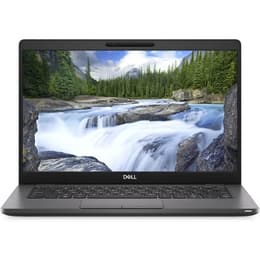
Dell Latitude 5300 13"
Starting at

Refurbished price:A$460.00

Versus A$750.00 new

See options
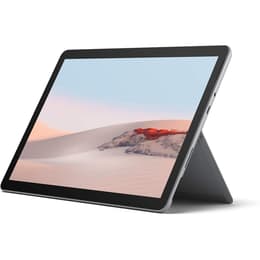
Microsoft Surface Go 2 10"
See options

The Dell Latitude 5300 13, released in 2019, is a business-oriented laptop, often available with 2-in-1 convertible functionality. In contrast, the Microsoft Surface Go 2 10, launched in 2020, is a more compact and portable 2-in-1 tablet designed for versatility. Both devices operate on the Windows platform, but they cater to different user needs through their distinct form factors and performance capabilities.

Scores

Durability

When considering the longevity of these devices, several factors come into play, including their release timelines, operating system support, and potential for practical use over time.

  • Release Timeline: The Dell Latitude 5300 13 was released in 2019, making it slightly older than the Microsoft Surface Go 2 10, which debuted in 2020. This difference in release year can influence the duration of future software updates.
  • Software Longevity: Both devices run Windows, and typically receive several years of operating system updates. The Surface Go 2, being a year newer, may receive official OS support for a slightly longer period. However, the Latitude's more robust internal components might allow it to handle newer software versions more effectively in the long run.
  • Repairability and Build: Dell's Latitude series is generally known for its business-grade construction, often featuring magnesium alloy builds, which can contribute to durability. The Surface Go 2 also features a magnesium alloy construction, offering a premium feel. The practical lifespan for both devices will depend on usage patterns and maintenance.

Release year

2019

2018

Last Os Compatibility

Yes

Yes

Operating system

Windows 11

Windows 11

Performance

The performance of these two devices varies significantly due to their differing hardware configurations, impacting how they handle various tasks.

  • Processing Power: The Dell Latitude 5300 13 typically features more powerful processors, such as 8th generation Intel Core i5 or i7 options, designed for business and productivity tasks. This allows for smoother operation when running multiple applications simultaneously or handling more demanding software. The Surface Go 2, on the other hand, is equipped with Intel Pentium Gold or Core m3 processors, which are optimized for efficiency and lighter workloads.
  • Multitasking and Responsiveness: With its higher-tier processors and greater RAM options (up to 32GB), the Latitude 5300 13 offers a more responsive experience for intensive multitasking, complex data processing, and running professional applications. The Surface Go 2, with up to 8GB of RAM, is well-suited for web browsing, media consumption, and basic productivity, but may exhibit some lag with numerous open tabs or more resource-intensive programs.
  • Storage Options: The Latitude 5300 13 provides flexible storage configurations, including SSDs up to 1TB, offering ample space and fast data access for large files and applications. The Surface Go 2 comes with more modest storage options, typically 64GB eMMC or 128GB SSD, with some configurations offering up to 256GB SSD, which is suitable for essential documents and apps but may require external storage for extensive media libraries.

Memory (GB)

8 GB

8 GB

Processor

Core i5 - Gen 8 (U)

Core m3 - Gen 8 (Y)

Graphic card

Integrated Graphics

Intel UHD Graphics 615

Screen quality

The display experience on the Dell Latitude 5300 13 and the Microsoft Surface Go 2 10 presents distinct characteristics, primarily influenced by their size, technology, and aspect ratio.

  • Display Size and Resolution: The Dell Latitude 5300 13 features a 13.3-inch Full HD (1920x1080) display, providing a larger viewing area suitable for productivity tasks and extended work sessions. The Microsoft Surface Go 2 10 has a smaller 10.5-inch PixelSense display with a resolution of 1920x1280, offering a slightly taller 3:2 aspect ratio that can be beneficial for document viewing and web browsing.
  • Clarity and Brightness: Both devices offer clear visuals. The Latitude 5300 13's display typically provides good brightness levels, often around 300 nits, making it suitable for various indoor lighting conditions. The Surface Go 2's PixelSense display is known for its vibrant colors and good contrast, with brightness levels that allow for comfortable viewing in most environments.
  • Touch and Refresh Rate: The Latitude 5300 13 offers both touch and non-touch display options, with a standard refresh rate. The Surface Go 2 features a multi-touch display as a core part of its tablet functionality, enhancing its versatility for touch-based interactions. Both displays operate at a standard refresh rate, providing a smooth visual experience for general use.

Resolution

1920 x 1080

1920 x 1280

Screen type

LED

LCD

Audiovisual

The camera and audio capabilities of these devices reflect their primary design intentions, with the Surface Go 2 emphasizing video conferencing and casual photography more than the Latitude 5300 13.

  • Camera System: The Dell Latitude 5300 13 typically includes a standard HD webcam, sufficient for basic video calls and online meetings. The Microsoft Surface Go 2 10 features a more advanced camera setup, with a 5-megapixel front-facing camera and an 8-megapixel rear-facing camera, both capable of 1080p video recording. This makes the Surface Go 2 better equipped for higher-quality video conferencing and casual photography.
  • Low-Light Performance and Features: The Surface Go 2's front-facing camera is often praised for its clarity, even in less-than-ideal lighting, and includes an infrared camera for Windows Hello facial recognition, enhancing security and convenience. The Latitude 5300 13's webcam performs adequately in well-lit conditions but may not offer the same level of detail or low-light performance.
  • Audio Experience: Both devices include built-in microphones and speakers. The Surface Go 2 often features dual Studio Mics and speakers with Dolby Audio, providing a clearer audio experience for calls and media consumption. The Latitude 5300 13 offers functional audio for business use, but the Surface Go 2 may provide a more immersive sound for entertainment.

Miscellaneous

Beyond core performance and display, several practical elements differentiate the user experience of these two devices, including connectivity, physical ports, and overall design.

  • Connectivity Options: Both devices support modern wireless standards. The Dell Latitude 5300 13 typically includes Wi-Fi 5 (802.11ac) and Bluetooth 5.0, with optional LTE for mobile connectivity. The Microsoft Surface Go 2 10 supports Wi-Fi 6 (802.11ax) and Bluetooth 5.0, also offering optional LTE Advanced for enhanced mobile internet access.
  • Port Selection: The Latitude 5300 13 offers a comprehensive array of ports, including USB-A, USB-C (with optional Thunderbolt 3), HDMI, Ethernet, and a microSD card reader, catering to a wide range of peripherals and external displays. The Surface Go 2 has a more streamlined selection, featuring a USB-C port, a Surface Connect port for charging and docking, a 3.5mm headphone jack, and a microSDXC card reader.
  • Portability and Build: The Surface Go 2 is significantly lighter and more compact, starting at approximately 544 grams (without the Type Cover), making it highly portable for on-the-go use. The Latitude 5300 13, while still a portable laptop, starts at around 1.24 kg, offering a more traditional laptop form factor. Both devices feature durable builds, with the Latitude often using magnesium alloy and the Surface Go 2 a magnesium construction.

Weight

1240 oz

544 oz

Screen size

13

10

Users frequently praise the Dell Latitude 5300 13 for its robust build quality, comprehensive port selection, and strong performance for business and productivity tasks. Its ability to handle demanding applications and extensive multitasking is a common highlight. Some users, however, note that its battery life, while adequate for a workday, might not be as extended as some competitors, and its design is more functional than flashy.

The Microsoft Surface Go 2 10 is often lauded for its exceptional portability, vibrant display, and excellent cameras for video conferencing, making it a strong contender for students and those needing a highly mobile device. Its compact size and tablet versatility are frequently mentioned as key advantages. Criticisms sometimes point to its more modest processing power, which can limit its suitability for heavy-duty tasks, and the fact that essential accessories like the keyboard are sold separately.

Users prioritizing a traditional laptop experience with strong performance for demanding applications, extensive connectivity, and a larger screen for prolonged work sessions may find the Dell Latitude 5300 13 better suited to their needs. Conversely, individuals who value extreme portability, a versatile tablet-first design, superior video call quality, and a device primarily for web browsing, media consumption, and light productivity will likely lean towards the Microsoft Surface Go 2 10. Both devices offer reliable Windows experiences, and choosing a quality-assured refurbished option can provide an eco-friendly alternative for either model.


See all articles

Our recent comparisons