
Dell Latitude 7200 2-in-1 12" vs Dell Latitude 7410 14"

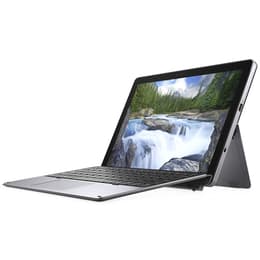
Dell Latitude 7200 2-in-1 12"
See options
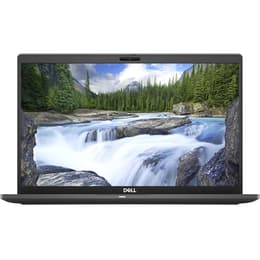
Dell Latitude 7410 14"
Starting at

Refurbished price:A$716.00

Versus A$839.00 new

See options

The Dell Latitude 7200 2-in-1 12-inch, released in 2019, and the Dell Latitude 7410 14-inch, launched in 2020, are business-oriented devices designed for productivity. While both run on Windows operating systems and are part of Dell's Latitude series, they cater to different user preferences through their distinct form factors and generational hardware differences. The 7200 prioritizes tablet-like versatility, whereas the 7410 offers a more traditional laptop experience with a larger display and updated internal components.

Scores

Durability

When considering the long-term usability of these devices, their release timelines and Dell's support policies are key factors. Both models are designed for business environments, suggesting a focus on reliability and extended support.

  • Release Timeline and OS Support: The Latitude 7200 2-in-1, released in 2019, features 8th generation Intel processors, while the Latitude 7410, released in 2020, comes with 10th generation Intel processors. This generational difference means the 7410 is likely to receive software updates and security patches for a longer period, extending its practical lifespan for modern applications. Both support Windows 10 and Windows 11, but the 7410's newer hardware provides a longer runway for future OS compatibility.
  • Repairability and Build: The Latitude 7410 is noted for its rugged, all-aluminum chassis, passing MIL-STD 810G tests for durability. Its SSD is replaceable, though RAM is often soldered, limiting upgrade options. The 7200 2-in-1 also features a robust build with a combination of magnesium, aluminum, and glass, and its M.2 SSD is upgradeable. Both are built to withstand the rigors of daily professional use.
  • Expected Practical Lifespan: Users can expect several years of reliable performance from both devices, especially when considering quality-assured refurbished options. The 7410's newer processor generation and Wi-Fi 6 support may offer a slight edge in remaining current with evolving technology standards.

Release year

2019

2020

Last Os Compatibility

Yes

Yes

Operating system

Windows 11

Windows 11

Performance

The performance of these Latitude models is influenced by their respective processor generations and configurations, impacting how smoothly they handle various tasks.

  • Processor Capabilities: The Latitude 7200 2-in-1 is equipped with 8th generation Intel processors, providing solid performance for everyday office applications, web browsing, and light multitasking. The Latitude 7410, featuring 10th generation Intel processors, offers a noticeable improvement in processing power, leading to faster application loading and more efficient handling of demanding software.
  • RAM and Storage: Both devices offer various RAM configurations, typically 8GB or 16GB, with the 7410 also having options for up to 32GB, which benefits extensive multitasking. Both utilize fast NVMe SSDs for storage, ensuring quick boot times and rapid data access. The 7410's SSD options extend up to 1TB, offering more capacity for users with large data needs.
  • Battery Behavior: The Latitude 7200 2-in-1 has a 38 Wh battery, with reviews suggesting it can last through most of a standard workday. The Latitude 7410 offers larger battery options (52WHr and 68WHr) and can achieve 10-13.5 hours of battery life in some configurations, particularly with its low-power 4K display option, making it suitable for extended use away from a power outlet.

Memory (GB)

16 GB

16 GB

Processor

Core i5 - Gen 8 (U)

Core i7 - Gen 10 (U)

Graphic card

Integrated Graphics

Intel UHD Graphics

Screen quality

The visual experience on these devices differs significantly due to their screen sizes, resolutions, and display technologies, catering to different user preferences for portability versus screen real estate.

  • Display Technology and Resolution: The Latitude 7200 2-in-1 features a 12.3-inch IPS LCD touchscreen with a 1920x1280 resolution and a 3:2 aspect ratio, providing clear visuals and ample vertical space for document work. The Latitude 7410 offers a 14-inch display with multiple options, including Full HD (1920x1080) and a 4K UHD (3840x2160) low-power, low-blue-light panel, which delivers exceptional clarity and vibrant colors.
  • Brightness and Viewing Experience: The 7200 2-in-1's display typically offers around 300 nits of brightness, suitable for indoor use. The 7410's 4K option can reach 400 nits, enhancing visibility in brighter environments and offering a more immersive viewing experience for media consumption or detailed work. Both devices generally provide good viewing angles due to their IPS technology.
  • Form Factor Impact: The 7200 2-in-1's smaller, detachable screen is ideal for tablet mode and portability, while the 7410's larger 14-inch screen, especially the 4K variant, is better suited for users who prioritize screen real estate for multitasking and detailed visual tasks in a traditional laptop setup.

Resolution

1920 x 1080

1920 x 1080

Screen type

LED

LCD

Audiovisual

Both Dell Latitude models include integrated cameras and audio features designed for business communication and media consumption, with some distinctions in their capabilities.

  • Camera System: The Latitude 7200 2-in-1 is equipped with a front-facing 5-megapixel camera and a rear-facing 8-megapixel camera, both capable of 1080p video recording, which is beneficial for video conferencing and occasional photography. The Latitude 7410 typically features a 720p HD webcam, often with infrared facial recognition for secure login, which is standard for business laptops. Some configurations of the 7410 may offer an FHD webcam.
  • Microphone and Speakers: Both devices include integrated microphones suitable for calls and recordings. The Latitude 7410 is noted for its clear speaker output, providing a good experience for media consumption and conference calls, even at higher volumes. The 7200 2-in-1 also features stereo speakers and a universal audio jack.
  • Video Conferencing: For users who frequently engage in video calls, the 7200 2-in-1's higher resolution front camera offers a clearer image, while the 7410's IR webcam provides convenient facial recognition for quick access.

Miscellaneous

Beyond core specifications, several practical elements differentiate these two Dell Latitude models, influencing their daily usability and connectivity.

  • Connectivity Options: The Latitude 7200 2-in-1 supports 802.11ac Wi-Fi (Wi-Fi 5) and Bluetooth 5.0 (some sources mention 4.2), with optional LTE for mobile connectivity. The Latitude 7410 offers more modern connectivity with Wi-Fi 6 (802.11ax) and Bluetooth 5.1, providing faster wireless speeds and improved network efficiency, along with optional LTE/5G capabilities.
  • Port Selection: Both devices feature versatile port selections. The 7200 2-in-1 includes two Thunderbolt 3 (USB-C) ports, one USB 3.1 Gen 1 Type-A port, a microSD card reader, and a 3.5mm audio jack. The 7410 also has two Thunderbolt 3 (USB-C) ports, two USB 3.2 Gen 1 Type-A ports, an HDMI 2.0 port, a universal audio jack, and a microSD card slot, offering a broader range of direct connections for peripherals and external displays.
  • Weight and Dimensions: The 7200 2-in-1 is a lighter and more compact device, starting at approximately 851 grams (1.87 lbs) for the tablet portion, making it highly portable. The 7410, as a 14-inch laptop, starts around 1.33 kg (2.93 lbs), which is still relatively light for its size but heavier than the 7200 tablet.

Weight

851 oz

1330 oz

Screen size

12

14

The Dell Latitude 7200 2-in-1 12-inch and the Dell Latitude 7410 14-inch each offer distinct advantages for different professional and student needs. Users often praise the 7200 2-in-1 for its exceptional portability and the flexibility of its detachable design, making it a strong contender for those who frequently switch between laptop and tablet modes or need a lightweight device for travel. Its compact size and touch display are frequently highlighted as beneficial for on-the-go productivity.

Conversely, the Latitude 7410 receives commendation for its robust performance, larger display options including 4K, and extended battery life, which are highly valued by users who require more screen real estate and sustained power for demanding tasks throughout a workday. Its more modern connectivity features like Wi-Fi 6 are also a frequent point of praise. Some users of the 7410 have noted that while its performance is strong, it might not always offer a significant edge over some competitors in raw benchmark scores, and its weight, while reasonable for a 14-inch laptop, is greater than the 7200 tablet. For the 7200 2-in-1, while its performance is competent, the 8th generation processor is older, and its smaller screen might be a limitation for users who primarily work with multiple applications side-by-side.

Users prioritizing extreme portability, a versatile 2-in-1 form factor, and a device that excels in tablet mode may prefer the Dell Latitude 7200 2-in-1. On the other hand, users who need a larger screen for productivity, a more powerful and future-proof processor, and longer battery life in a traditional laptop form factor will find the Dell Latitude 7410 better suited to their requirements. Both devices are available as quality-assured refurbished options, providing a sustainable choice for those seeking reliable business-grade hardware.

See all articles

Our recent comparisons