
Dell Latitude 5430 14" vs Dell Latitude 7410 14"

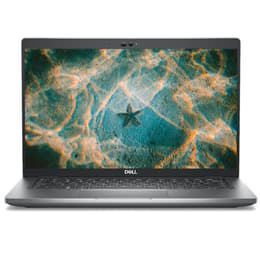
Dell Latitude 5430 14"
Starting at

Refurbished price:A$971.00

Versus A$1,500.00 new

See options
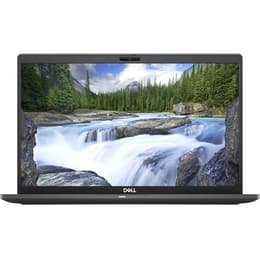
Dell Latitude 7410 14"
Starting at

Refurbished price:A$716.00

Versus A$839.00 new

See options

The Dell Latitude 5430, released in 2022, and the Dell Latitude 7410, launched in 2020, are both 14-inch business-oriented laptops designed for productivity. While they share the common Windows operating system and a focus on professional use, the Latitude 5430 benefits from more recent internal components, offering updated performance capabilities, whereas the Latitude 7410 often features a more refined design and advanced display options. These differences cater to varying user priorities, from everyday office tasks to more demanding professional needs.

Scores

Durability

When considering the long-term usability of these laptops, their release timelines and design philosophies play a significant role in their expected practical lifespan.

  • Release Timeline and OS Support: The Latitude 5430, being a 2022 model, benefits from a longer window of official Windows operating system updates and security patches compared to the 2020-released Latitude 7410. Both models receive consistent updates, but the 5430 will likely maintain software compatibility for an extended period.
  • Build Materials and Robustness: The Latitude 7410 often features a more premium construction, with options for aluminum or carbon fiber, and has been noted for passing MIL-STD 810G tests for environmental resilience, suggesting a higher degree of physical durability. The Latitude 5430 typically utilizes a chassis made of reinforced plastic, with some users reporting issues with surface painting wearing off over time. [18]
  • Repairability and Practical Lifespan: Both laptops are designed with IT departments in mind, making common repairs and upgrades relatively straightforward. Components like RAM and SSDs are generally accessible for replacement in the 5430, contributing to its long-term usability. The 7410, however, often comes with soldered RAM, which limits future memory upgrades but ensures stable performance with its initial configuration. [8, 22]

Release year

2022

2020

Operating system

Windows 11

Windows 11

Performance

The core performance of these laptops is largely determined by their internal processing capabilities and memory configurations, impacting how smoothly they handle daily tasks and demanding applications.

  • Processor Capabilities: The Latitude 5430 incorporates more recent processor generations, specifically 12th Gen Intel Core U-series, which generally offer improved efficiency and performance for multitasking and demanding applications compared to the 10th Gen Intel Core U-series processors found in the Latitude 7410. This can translate to faster application loading and smoother operation for complex workflows. [2, 7, 8]
  • Memory and Storage: The Latitude 5430 supports up to 64GB of DDR4 RAM across two SODIMM slots, providing flexibility for memory upgrades. [2, 4, 7] The Latitude 7410 typically offers up to 32GB of DDR4 RAM, which is often soldered to the motherboard, limiting future expansion. [8, 22] Both models utilize fast M.2 NVMe SSDs for quick boot times and application loading, with the 5430 supporting newer Gen 4 SSDs for potentially faster data transfer speeds. [1, 7, 8]
  • Battery Behavior: The Latitude 5430 offers battery options up to 58Wh, with users reporting around 13 hours of web browsing, though some note a reduction compared to its direct predecessor. [4, 7] The Latitude 7410 comes with battery options up to 68Wh, with reported battery life ranging from 10 to 13 hours in typical use, though some users experience 4-6 hours with mundane tasks. [8, 9, 12, 19]

Memory (GB)

16 GB

16 GB

Processor

Core i7-1265U

Core i7 - Gen 10 (U)

Graphic card

Integrated Graphics

Intel UHD Graphics

Screen quality

The visual experience on these 14-inch laptops varies, with different display technologies and resolutions influencing clarity and brightness.

  • Display Technology and Resolution: Both laptops commonly feature 14-inch Full HD (1920x1080) displays, often with IPS or WVA (Wide Viewing Angle) panels for good viewing angles. The Latitude 7410 distinguishes itself by offering optional 4K UHD (3840x2160) displays, which provide significantly sharper images and finer detail, particularly beneficial for content creation or detailed data analysis. [8, 9, 10, 15, 22] The Latitude 5430's highest resolution option is Full HD. [1, 4, 7]
  • Brightness and Clarity: The Latitude 7410's optional 4K display can reach up to 400 nits of brightness, offering good visibility in various lighting conditions and featuring low-blue-light technology for eye comfort. [8, 9] The Latitude 5430's Full HD panels range from 250 to 400 nits, with some base models offering lower brightness and resolution. [4, 7, 11]
  • Refresh Rate and Viewing Experience: Both models typically feature a standard 60Hz refresh rate, suitable for general productivity tasks. The 7410's narrower bezels contribute to a more immersive viewing experience, making the 14-inch screen feel more expansive. [12]

Resolution

1920 x 1080

1920 x 1080

Screen type

LCD

LCD

Audiovisual

For communication and media consumption, the audio-visual components of these laptops offer practical functionality for business users.

  • Webcam and Microphone Quality: Both the Latitude 5430 and 7410 include a 720p HD webcam, suitable for video conferencing. The 7410 often integrates an IR camera for facial recognition, enhancing security, and typically includes a physical privacy shutter for the webcam. [8, 10, 19] The 5430 also features a privacy shutter. [21] Microphone quality on both is generally clear for calls and recordings. [10, 19]
  • Speaker Output: Both laptops are equipped with integrated speakers designed for clear audio during video calls and presentations. User feedback suggests the speakers provide adequate volume and clarity for media consumption, though they may lack deep bass, which is common for business laptops. [10, 19, 20]
  • Video Recording Features: While not designed for professional video production, both devices offer standard video recording capabilities through their integrated webcams, sufficient for internal communications and online meetings.

Miscellaneous

Beyond core performance and display, several practical elements contribute to the overall user experience and suitability for different work environments.

  • Connectivity Options: Both laptops offer modern wireless connectivity, with the Latitude 5430 supporting Wi-Fi 6E and Bluetooth 5.2, while the Latitude 7410 supports Wi-Fi 6 and Bluetooth 5.1. [1, 4, 8] Both also offer optional 4G LTE or 5G capabilities for mobile broadband. [1, 8]
  • Port Types: The Latitude 5430 features two Thunderbolt 4 ports, offering advanced connectivity and faster data transfer speeds. [4] The Latitude 7410 includes two Thunderbolt 3 ports. [8] Both provide a range of other essential ports, including USB-A, HDMI, a microSD card reader, and a 3.5mm audio jack. The 5430 also includes an RJ45 Ethernet port. [4, 8, 19]
  • Security Features: Both models incorporate enterprise-grade security features. The Latitude 7410 often includes a fingerprint reader integrated into the power button and an IR camera for facial recognition (Windows Hello). [8, 10, 19] The 5430 also offers optional fingerprint readers and IR face recognition. [7]
  • Weight and Dimensions: The Latitude 7410 starts around 1.3 kg (2.9 lbs), making it a relatively portable 14-inch device. [8, 9, 22] The Latitude 5430 starts at 1.36 kg (3.01 lbs). [4, 11] The 7410's compact design with narrower bezels contributes to its smaller footprint. [12, 14]

Weight

1360 oz

1330 oz

Screen size

14

14

The Dell Latitude 5430 and 7410 both serve as capable business laptops, each with distinct advantages that cater to different user priorities. User feedback for the Latitude 5430 often praises its updated performance due to newer processors and its upgradeable RAM. However, some users have noted concerns regarding potential overheating or throttling issues with certain configurations and the durability of its surface finish. [13, 18]

The Latitude 7410 is frequently lauded for its premium build quality, compact design, and the option for a high-resolution 4K display. Conversely, some users have reported reliability issues such as screen flickering or freezing, and its soldered RAM can be a limitation for those seeking future upgrades. [17, 22]

Users prioritizing the latest processing power and the flexibility of RAM upgrades for future-proofing their device may find the Dell Latitude 5430 more aligned with their needs. Its newer internals offer a performance edge for demanding applications. On the other hand, individuals who value a more premium physical design, a potentially sharper display, and robust build quality, and who do not anticipate needing to upgrade their RAM, might lean towards the Dell Latitude 7410. Both models represent solid choices for professionals, and considering a quality-assured refurbished option for either can provide a sustainable choice for acquiring these business-grade laptops.


See all articles

Our recent comparisons