Dell Latitude 5520 15" vs Dell Latitude 7400 14"

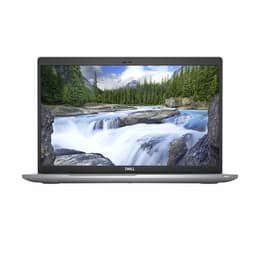
Dell Latitude 5520 15"
Starting at

Refurbished price:A$766.00

Versus A$1,200.00 new

See options
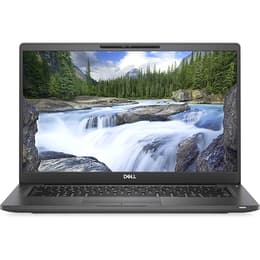
Dell Latitude 7400 14"
See options

The Dell Latitude 5520 15 and the Dell Latitude 7400 14 are business-oriented laptops designed for productivity and reliability. Released in 2021 and 2019 respectively, these models represent different generations and form factors within Dell's Latitude series. The primary distinctions lie in their screen size, processor generation, and overall design philosophy, catering to users with varying preferences for portability versus screen real estate. Both devices run on the Windows operating system, offering a familiar and versatile computing experience.

Scores

Durability

When considering the practical lifespan of these laptops, several factors come into play, including their release timelines, operating system support, and physical construction.

  • Release Timeline: The Latitude 5520, launched in 2021, benefits from a more recent release, suggesting a longer period of manufacturer support and compatibility with newer software compared to the Latitude 7400, which debuted in 2019.
  • OS Support & Updates: Both devices are capable of running Windows and will receive updates for several years. However, the newer 5520 is likely to receive feature updates and security patches for a longer duration, extending its functional life.
  • Build Durability: The Latitude 7400 features a robust chassis, with options for aluminum or carbon fiber, and has undergone MIL-STD-810G testing for durability, indicating its resilience to various environmental conditions. The Latitude 5520 also boasts a durable chassis, with its lid incorporating 21% bioplastics, contributing to a solid feel.

Release year

2021

2018

Last Os Compatibility

Yes

Yes

Operating system

Windows 11

Windows 11

Performance

The performance capabilities of these Latitude laptops are largely influenced by their respective processor generations and system configurations, impacting how they handle daily tasks and multitasking.

  • Processor Capabilities: The Latitude 5520 is equipped with 11th-generation processors, which generally offer improved efficiency and performance for demanding applications and complex computations. The Latitude 7400, featuring 8th-generation processors, provides solid performance for everyday business tasks such as document editing, web browsing, and video conferencing.
  • Memory and Storage: The Latitude 5520 supports up to 64GB of DDR4 RAM and features two M.2 storage slots, including one with PCIe 4.0 support, allowing for faster data access and greater multitasking capacity. The Latitude 7400 can be configured with up to 32GB of DDR4 RAM across two slots and offers NVMe SSD storage options up to 1TB, ensuring quick boot times and responsive application loading.
  • Battery Behavior: The Latitude 5520, with its 63Wh battery, can deliver up to nearly 15 hours of web browsing or over 10 hours of video playback under specific test conditions. The Latitude 7400, typically featuring a 60Wh battery, has demonstrated impressive battery longevity, with some configurations achieving up to 20 hours of web browsing.

Memory (GB)

16 GB

8 GB

Processor

Core i5-1145G7

Core i5 - Gen 8 (U)

Graphic card

Integrated Graphics

Integrated Graphics

Screen quality

The visual experience on these laptops differs primarily due to their screen sizes and available display technologies, affecting clarity, brightness, and overall viewing comfort.

  • Display Technology and Resolution: The Latitude 5520 offers a 15.6-inch Full HD (1920 x 1080) IPS display as a common configuration, with options for higher brightness and even 4K UHD panels. The Latitude 7400 features a 14-inch Full HD (1920 x 1080) IPS display, providing a sharp and clear image.
  • Brightness and Clarity: The 5520's IPS panels typically offer 250-275 nits of brightness, with some configurations reaching up to 400 nits, enhancing visibility in varied lighting conditions. The 7400's display generally ranges from 285 to 342 nits, with some privacy screen options, making it suitable for office environments and bright conditions. Both models generally feature anti-glare screens and do not use PWM for brightness adjustment, which can reduce eye strain.
  • Screen Size and Viewing Experience: The 15.6-inch screen of the Latitude 5520 provides a larger workspace, which can be beneficial for tasks requiring more screen real estate, such as working with multiple documents or detailed spreadsheets. The 14-inch display of the Latitude 7400 contributes to its more compact and portable design, suitable for users who frequently travel or work in confined spaces.

Resolution

1920 x 1080

1920 x 1080

Screen type

LCD

LCD

Camera

Audiovisual

For communication and multimedia, both laptops include integrated camera and audio systems, though with some differences in their capabilities and features.

  • Camera System: The Latitude 5520 typically includes an HD camera with a privacy shutter and offers an optional IR sensor for facial recognition, enhancing security and convenience. The Latitude 7400 also features an HD 720p webcam, often with a privacy shutter, and an optional IR camera for Windows Hello login.
  • Microphone Quality: Both models are equipped with integrated microphones suitable for video calls and voice recording. The 5520 includes a microphone array. The 7400's microphone quality is generally clear for communication.
  • Speaker Output: The Latitude 5520 features dual 2W speakers, providing decent sound quality for general use. The Latitude 7400's speakers offer reasonable sound, with clear high tones, though some users note that the low and mid-range can have deviations.
  • Video Recording: Both laptops are capable of standard video recording through their integrated webcams, suitable for virtual meetings and casual use.

Miscellaneous

Beyond core performance and display, practical elements like connectivity, physical design, and security features differentiate these two business laptops.

  • Connectivity Options: The Latitude 5520 is more current with two Thunderbolt 4 ports, offering high-speed data transfer, display output, and charging capabilities, alongside two USB 3.2 Gen 1 Type-A ports, HDMI 2.0, and Wi-Fi 6. The Latitude 7400 includes one Thunderbolt 3 port, two USB 3.1 Gen 1 Type-A ports, HDMI 1.4a, and typically Wi-Fi 5, with some configurations offering Wi-Fi 6. Both have microSD card readers and optional LTE.
  • Portability and Dimensions: The Latitude 7400 is the more compact and lighter option, weighing around 1.35 kg and measuring approximately 16.9-18.9 mm thick, making it highly portable. The Latitude 5520, with its 15.6-inch screen, is larger and heavier at about 1.59 kg and 19.9 mm thick, offering more screen space at the expense of ultimate portability.
  • Security Features: Both models offer robust security. The 5520 includes a camera privacy shutter, optional IR facial recognition, and a fingerprint reader. The 7400 also features a privacy shutter, optional IR camera, fingerprint reader, and unique Context Sensing technology (ExpressSign-In) for automatic locking and unlocking based on user presence.
  • Build Materials: The Latitude 7400 offers a choice between aluminum and carbon fiber builds, both contributing to its premium feel and durability. The Latitude 5520 utilizes bioplastics in its lid, reflecting a focus on sustainable materials while maintaining a solid construction.

Weight

1590 oz

1360 oz

Screen size

15

14

User feedback for the Dell Latitude 7400 14 often highlights its exceptional battery life, robust build quality, and comfortable keyboard as significant advantages for professionals on the go. Some users have noted that the display brightness could be higher in certain configurations, and the fan can occasionally produce a high-pitched sound. The Latitude 5520 15 is generally praised for its larger screen, strong performance from its newer processors, and comprehensive port selection, including Thunderbolt 4. Criticisms sometimes point to the removal of dedicated touchpad buttons and the design of the arrow key cluster.

Users prioritizing maximum portability, a premium build, and extended battery life for frequent travel may find the Dell Latitude 7400 14 well-suited to their needs. Its compact size and durable construction make it a reliable companion for mobile professionals. Conversely, users who value a larger display for multitasking, more current processing power, and advanced connectivity options like Thunderbolt 4 might lean towards the Dell Latitude 5520 15. This model is ideal for those who primarily work at a desk but still require a capable and modern business laptop.

Both laptops offer a dependable Windows experience, and choosing a quality-assured refurbished option for either model can provide an eco-friendly alternative for acquiring a high-performance business machine.

See all articles

Our recent comparisons