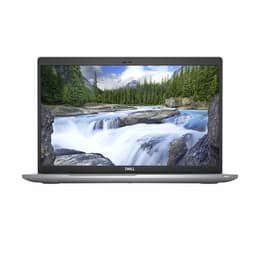
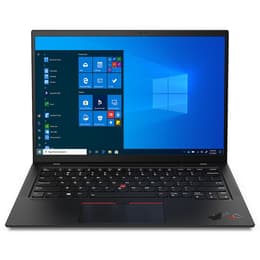
Dell Latitude 5520 15" vs Lenovo ThinkPad X1 Carbon G9 14"

Dell Latitude 5520 15"
Starting at

Refurbished price:A$800.00

Versus A$1,200.00 new

See options
Lenovo ThinkPad X1 Carbon G9 14"
Starting at

Refurbished price:A$631.00

Versus A$3,837.00 new

See options

The Dell Latitude 5520 15 and the Lenovo ThinkPad X1 Carbon Gen 9 14 are business-oriented laptops, both released in 2021. While both offer robust performance for professional tasks, the Latitude 5520 emphasizes a larger display and broader upgradeability, whereas the ThinkPad X1 Carbon Gen 9 prioritizes extreme portability and a premium build. Both devices run on the Windows operating system, providing a familiar software environment for most users.

Scores

Durability

When considering the longevity of these devices, both the Dell Latitude 5520 and the Lenovo ThinkPad X1 Carbon Gen 9 were released in 2021, meaning they share a similar starting point for software support and expected lifespan. Dell Latitude models are generally designed for business environments, which often entails facilitating repair and upgradeability to extend their useful life. Lenovo's ThinkPads are also known for their durability and business-centric design.

  • Software Support: Both laptops, having been released in 2021, benefit from ongoing Windows operating system updates, ensuring continued security and feature enhancements for several years.
  • Repairability: The Dell Latitude 5520 offers ample amounts of upgradeability, with two SODIMM RAM slots supporting up to 64GB of RAM and two M.2 PCIe x4 slots for storage, making it relatively easy to extend its practical lifespan through component upgrades. The Lenovo ThinkPad X1 Carbon Gen 9, while designed for durability, has soldered RAM, limiting upgrade options, though its SSD is upgradable.
  • Build Quality: The Latitude 5520 utilizes up to 21% bioplastics in its body, offering a solid build. The ThinkPad X1 Carbon Gen 9 features a carbon fiber lid and magnesium alloy bottom, covered in a rubberized layer, contributing to its stability and durability.

Release year

2021

2020

Last Os Compatibility

Yes

Yes

Operating system

Windows 11

Windows 11

Performance

Both the Dell Latitude 5520 15 and the Lenovo ThinkPad X1 Carbon Gen 9 14 are equipped with 11th Generation Intel Core processors, providing capable performance for business and productivity tasks. The practical impact of their internal components varies slightly based on configuration and design philosophy.

  • Everyday Responsiveness: Both laptops handle demanding office workflows, multitasking, and general computing tasks smoothly. Users can expect quick application loading and efficient switching between programs.
  • Multitasking Capabilities: The Dell Latitude 5520 can be configured with up to 64GB of RAM across two SODIMM slots, offering significant headroom for users who frequently run numerous applications simultaneously or work with large datasets. The ThinkPad X1 Carbon Gen 9, with up to 32GB of soldered RAM, provides strong multitasking performance, though without the same upgrade flexibility.
  • Battery Behavior: The Latitude 5520 offers battery options of 42Wh or 63Wh, with the larger capacity providing extended usage. The ThinkPad X1 Carbon Gen 9 comes with a 57Wh battery, which, depending on the display configuration, can offer substantial battery life for mobile users.

Memory (GB)

16 GB

16 GB

Processor

Core i5-1145G7

Core i5-1135G7

Graphic card

Integrated Graphics

Integrated Graphics

Screen quality

The display experience on the Dell Latitude 5520 15 and the Lenovo ThinkPad X1 Carbon Gen 9 14 differs primarily in size, aspect ratio, and available panel options, catering to different user preferences for screen real estate and portability.

  • Display Technology and Size: The Dell Latitude 5520 features a 15.6-inch Full HD (1920 x 1080) IPS anti-glare display, providing a larger viewing area suitable for detailed work. The Lenovo ThinkPad X1 Carbon Gen 9 offers a 14-inch display with a 16:10 aspect ratio, which provides more vertical screen real estate, beneficial for productivity tasks like document editing and web browsing.
  • Resolution and Clarity: While the Latitude 5520 typically comes with a Full HD resolution, the ThinkPad X1 Carbon Gen 9 offers various options, including FHD+ (1920x1200) and UHD+ (3840x2400) IPS panels, providing sharper images and more detail for those who prioritize visual fidelity.
  • Brightness and Viewing Experience: The Latitude 5520's IPS display typically offers 250 nits of brightness. The ThinkPad X1 Carbon Gen 9's panels can reach up to 500 nits, which improves visibility in brightly lit environments and offers a more vibrant viewing experience.

Resolution

1920 x 1080

1920 x 1200

Screen type

LCD

IPS

Camera

Audiovisual

Both laptops are designed for professional communication and media consumption, offering integrated cameras and audio systems suitable for typical business use. The quality and features of these components are generally aligned with their target audience.

  • Camera System: Both the Dell Latitude 5520 and the Lenovo ThinkPad X1 Carbon Gen 9 include an HD webcam, suitable for video conferencing. The Latitude 5520 often features a privacy shutter and optional IR sensor for facial recognition, enhancing security and privacy. The ThinkPad X1 Carbon Gen 9 also includes a privacy shutter.
  • Microphone Quality: Both devices are equipped with integrated microphones designed to capture clear audio for calls and virtual meetings.
  • Speaker Output: The Latitude 5520 includes dual 2W speakers, providing adequate sound for presentations and media. The ThinkPad X1 Carbon Gen 9 also offers a speaker system, with user feedback sometimes noting that the sound quality is acceptable for a business laptop, though not exceptional.

Miscellaneous

Beyond core performance and display, several practical elements differentiate the Dell Latitude 5520 15 and the Lenovo ThinkPad X1 Carbon Gen 9 14, impacting their suitability for various user needs, particularly concerning connectivity, portability, and security features.

  • Connectivity and Ports: The Dell Latitude 5520 offers a comprehensive selection of ports, including two Thunderbolt 4 ports, two USB 3.2 Gen 1 Type-A ports, HDMI, an RJ45 Ethernet port, and a MicroSD card reader, providing extensive options for peripherals and networking. The ThinkPad X1 Carbon Gen 9 also features two Thunderbolt 4 ports, two USB 3.2 Gen 1 Type-A ports, and HDMI, but notably lacks an Ethernet port and a MicroSD card slot in its pursuit of a slimmer profile.
  • Weight and Dimensions: The Latitude 5520, with its 15.6-inch screen, starts at 1.59 kg, making it a capable but less portable option. The ThinkPad X1 Carbon Gen 9, weighing from 1.13 kg with a 14-inch screen, is designed for maximum portability, making it a lighter choice for users who travel frequently.
  • Security and Build Materials: Both laptops offer robust security features like optional fingerprint readers and facial recognition. The Latitude 5520 incorporates bioplastics in its construction, while the ThinkPad X1 Carbon Gen 9 uses a carbon fiber and magnesium alloy chassis, known for its durability.

Weight

1590 oz

7500 oz

Screen size

15

14

The Dell Latitude 5520 15 and the Lenovo ThinkPad X1 Carbon Gen 9 14 cater to distinct professional user profiles, each excelling in different areas. Users often praise the Latitude 5520 for its larger screen, comprehensive port selection, and upgradeable RAM, making it a solid choice for those who need a versatile workstation with potential for future enhancements. Its robust build and business-focused features are frequently highlighted as strong points. Some users, however, might find its larger size and weight less ideal for constant mobility.

Conversely, the ThinkPad X1 Carbon Gen 9 receives acclaim for its exceptional portability, premium build quality, and often superior display options, making it a preferred device for frequent travelers and executives who prioritize a lightweight and sleek design. Its 16:10 aspect ratio screen is often a favorite for productivity. Criticisms sometimes point to its soldered RAM, which limits long-term upgradeability, and some users have reported concerns regarding USB-C port reliability and thermal management in certain configurations.

Users prioritizing a larger display, extensive connectivity, and greater internal upgrade flexibility may find the Dell Latitude 5520 15 better suited to their needs. Those who value extreme portability, a premium feel, and a high-resolution 14-inch display for on-the-go productivity will likely lean towards the Lenovo ThinkPad X1 Carbon Gen 9 14. Both laptops are available as quality-assured refurbished options, providing an eco-friendly alternative for consumers seeking reliable business machines.

See all articles

Our recent comparisons