
Compare models
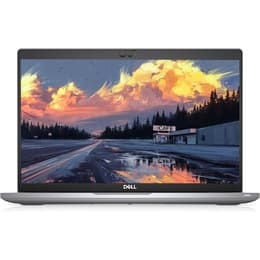
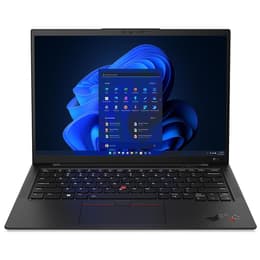
Dell Latitude 5420 14" vs Lenovo ThinkPad X1 Carbon G10 14"
- 1-year warranty
- Free standard shipping
- Free 30-day returns
Differences at a glance
The Dell Latitude 5420 (2021) and the Lenovo ThinkPad X1 Carbon Gen 10 (2022) are 14-inch professional laptops designed for office productivity, remote work, and everyday multitasking. While both run on the Windows operating system and target similar professional environments, they approach design and internal layout differently. The primary differentiators between these two models include chassis composition, hardware generation, and portability features, catering to distinct workplace preferences.
Available Models
Storage
Processor
Memory
Scores
Durability
When examining hardware longevity and physical resilience, both notebooks are built to handle daily commuting and intensive work routines over several years.
- Release Timeline and Software Support: The Lenovo model launched a year later than the Dell device, giving it a slightly extended software update window for newer hardware drivers and system firmware. Both models maintain broad compatibility with standard operating system updates.
- Repairability and Component Access: The Dell model features a modular design that allows for straightforward component replacement, including accessible memory slots. In contrast, the Lenovo model utilizes a tightly integrated layout with soldered components, prioritizing a slimmer chassis over modular upgrades.
- Expected Lifespan: Both laptops offer durable construction designed for long-term professional deployment, though modular hardware maintenance gives the Dell model an advantage for long-term component upkeep.
Release year
2020
2022
Last Os Compatibility
Yes
Yes
Operating system
Windows 11
Windows 11
Performance
Both laptops deliver capable computing power for daily professional tasks, though their underlying processing generations and memory configurations result in different multitasking behaviors.
- System Responsiveness and Multitasking: The Lenovo model relies on newer generation processing hardware paired with high-speed memory types, resulting in faster app launch times and smoother handling of intensive background tasks. The Dell model utilizes modular memory configurations that handle standard office applications, web browsing, and multitasking efficiently.
- Storage and Thermal Management: Both devices offer fast solid-state drive options for quick file transfers. The Lenovo model incorporates updated thermal ventilation to sustain performance during extended workloads, while the Dell model manages everyday productivity tasks with stable, consistent output.
- Battery Behavior: Daily battery longevity varies depending on usage intensity and display configuration, with both laptops generally providing enough charge to navigate a standard workday of mixed web browsing and document editing.
Graphic card
Integrated Graphics
Integrated Graphics
Screen quality
Display configurations vary significantly across these two product lines, influencing visual clarity, color accuracy, and overall viewing comfort during long work sessions.
- Display Technology Options: The Dell model typically features standard liquid crystal display panels with practical anti-glare coatings, while the Lenovo model offers a wider array of display choices, including high-resolution options and vibrant organic light-emitting diode panels.
- Brightness and Outdoor Usability: Base configurations for both devices provide adequate indoor brightness, whereas higher-tier display upgrades on both models deliver increased luminance levels for comfortable viewing in brightly lit environments.
- Aspect Ratio and Viewing Experience: The Lenovo model utilizes a taller viewing area that minimizes scrolling when reading documents, while the Dell model maintains a traditional widescreen layout suitable for split-screen multitasking.
Resolution
1920 x 1080
1920 x 1080
Screen type
LCD
IPS
Audiovisual
Media consumption, video conferencing capabilities, and audio output differ noticeably between the two laptops based on their integrated hardware components.
- Webcam and Video Quality: The Lenovo model incorporates a higher-resolution camera sensor paired with physical privacy shutters, resulting in clearer video calls. The Dell model features standard high-definition webcam options adequate for routine virtual meetings.
- Microphone and Voice Clarity: Both laptops include multi-array microphone systems designed to isolate background noise during calls, ensuring clear voice transmission in busy environments.
- Speaker Output: Built-in stereo speakers on both devices provide sufficient volume for casual media viewing and conference calls, though users seeking rich bass and dynamic range for music will benefit from external headphones or speakers.
Miscellaneous
Practical usability factors such as physical dimensions, port selection, and input peripherals define how each laptop integrates into a mobile workspace.
- Port Selection: Both models offer robust connectivity including versatile USB-C ports with charging capabilities, traditional USB-A ports, and video output connections, reducing the need for external adapters.
- Portability and Handling: The Lenovo model focuses on an ultra-lightweight carbon-fiber construction that reduces backpack weight for frequent travelers. The Dell model utilizes a slightly heavier, robust chassis designed for durability in office settings.
- Input Peripherals: Both brands offer well-regarded keyboards with comfortable key travel, accompanied by responsive trackpads and supplementary navigation features like fingerprint readers for secure login.
Weight
1370 oz
7500 oz
Screen size
14
14
What the community thinks
User feedback from online communities highlights distinct preferences for each laptop. Owners of the Dell Latitude 5420 frequently praise its straightforward maintenance, reliable port selection, and practical hardware layout. Conversely, users of the Lenovo ThinkPad X1 Carbon Gen 10 often emphasize its exceptionally lightweight build, comfortable keyboard, and premium display choices, though some note that soldered components limit future hardware modifications.
Users prioritizing maximum portability, a lightweight travel footprint, and advanced display configurations may prefer the Lenovo model. Meanwhile, users who value modular hardware maintenance, upgradeable memory slots, and a sturdy everyday workstation will find the Dell model well-suited to their needs. Exploring a quality-assured refurbished option provides a sustainable choice that extends the lifecycle of these professional devices without compromising reliability.