
Dell Latitude 5420 14" vs Microsoft Surface Pro 7 12"

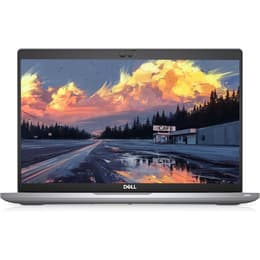
Dell Latitude 5420 14"
Starting at

Refurbished price:A$426.00

Versus A$1,199.00 new

See options
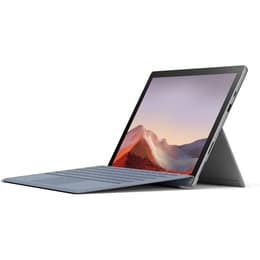
Microsoft Surface Pro 7 12"
Starting at

Refurbished price:A$415.00

Versus A$1,680.00 new

See options

The Dell Latitude 5420, released in early 2021, is a traditional clamshell laptop designed primarily for business and productivity. In contrast, the Microsoft Surface Pro 7, launched in October 2019, offers a versatile 2-in-1 tablet-laptop experience. Both devices operate on the Windows platform, but they cater to different user preferences through their distinct form factors and feature sets.

Scores

Durability

When considering the long-term usability of these devices, their release timelines and operating system support are key factors. The Dell Latitude 5420 is a newer device, giving it a slight edge in terms of anticipated software longevity.

  • Release Timeline: The Dell Latitude 5420 was released in early 2021, making it approximately a year and a half newer than the Microsoft Surface Pro 7, which debuted in October 2019. This difference in release date can influence how long each device receives the latest software updates.
  • OS Support Duration: Both devices run Windows. Windows 10 support is scheduled to end on October 14, 2025. Windows 11, which both devices can potentially run (depending on specific configurations and hardware requirements), is expected to receive support until around 2031. The Latitude 5420, being newer, is more likely to meet Windows 11 upgrade requirements across more configurations.
  • Build and Repairability: The Latitude 5420 features a robust chassis constructed with carbon fiber and magnesium reinforcement, designed for durability in professional environments. The Surface Pro 7 has a magnesium alloy construction. While specific repairability scores can vary, traditional laptops like the Latitude often offer more straightforward access for component upgrades or repairs compared to the more integrated design of a 2-in-1 tablet.

Release year

2020

2019

Last Os Compatibility

Yes

Yes

Operating system

Windows 11

Windows 11

Performance

The performance of both the Dell Latitude 5420 and the Microsoft Surface Pro 7 is driven by their respective internal components, impacting how smoothly they handle daily tasks and more demanding applications.

  • Processor Capabilities: The Latitude 5420 is equipped with 11th Generation Intel Core processors, offering strong performance for business applications and multitasking. The Surface Pro 7 features 10th Generation Intel Core processors, providing capable performance for everyday use and general productivity. The newer generation processors in the Latitude 5420 generally offer improved efficiency and slightly better performance for intensive tasks.
  • Memory and Storage: The Latitude 5420 supports up to 64GB of DDR4 RAM, with upgradeable slots, and uses fast NVMe SSD storage. The Surface Pro 7 offers up to 16GB of LPDDR4x RAM and SSD storage. For users requiring extensive multitasking or handling large datasets, the Latitude's higher RAM ceiling and upgradeability can be an advantage.
  • Battery Behavior: The Latitude 5420 typically offers around 7 to 9.5 hours of battery life during mixed usage, depending on the battery configuration. The Surface Pro 7 is rated for up to 10.5 hours by Microsoft, though real-world usage often sees it closer to 7 hours. Both devices are designed to last through a significant portion of a workday, but heavy use will necessitate charging.

Memory (GB)

16 GB

8 GB

Processor

Core i5-1135G7

Core i5 - Gen 10 (G4)

Graphic card

Intel Iris Xe Graphics

Integrated Graphics

Screen quality

The visual experience on both devices is shaped by their display technology, resolution, and overall screen characteristics, which cater to different viewing preferences and use cases.

  • Display Technology and Resolution: The Dell Latitude 5420 features a 14-inch IPS display, with options for HD (1366x768) or Full HD (1920x1080) resolutions. The Microsoft Surface Pro 7 boasts a 12.3-inch PixelSense IPS display with a higher resolution of 2736 x 1824 pixels, resulting in a sharper image due to its higher pixel density.
  • Brightness and Color: The Latitude 5420's brightness can vary significantly by configuration, from 220 nits on base models to 400 nits on higher-end FHD panels, with some offering 100% sRGB color coverage. The Surface Pro 7's display is known for its high brightness, good contrast, and wide color coverage, making it suitable for creative tasks. Neither display uses aggressive Pulse-width modulation (PWM) for brightness adjustment, which can contribute to comfortable extended viewing.
  • Aspect Ratio and Touch: The Latitude 5420 typically comes with a 16:9 aspect ratio, common for traditional laptops, and some configurations offer touch functionality. The Surface Pro 7 features a 3:2 aspect ratio, which provides more vertical screen real estate, beneficial for document work and web browsing, and includes 10-point multi-touch support.

Resolution

1920 x 1080

1920 x 1280

Screen type

LCD

LED

Audiovisual

For communication and media consumption, the camera systems, microphones, and speakers of both devices offer distinct capabilities.

  • Camera System: The Dell Latitude 5420 includes a standard webcam, suitable for video conferencing. The Microsoft Surface Pro 7 features a more comprehensive camera setup, with a 5MP front-facing camera capable of 1080p HD video and an 8MP rear-facing autofocus camera also supporting 1080p full HD video. The Surface Pro 7 also includes a Windows Hello face authentication camera for secure login.
  • Microphone Quality: The Surface Pro 7 is equipped with dual far-field Studio Mics, designed to capture clear audio for calls and voice commands. The Latitude 5420 also includes an integrated microphone, providing standard audio input for communication.
  • Speaker Output: The Latitude 5420's speakers offer clear and crisp audio quality, suitable for general media consumption and calls. The Surface Pro 7 features 1.6W stereo speakers with Dolby Audio Premium, providing a richer audio experience for media.

Miscellaneous

Beyond core performance and display, several practical elements differentiate the Dell Latitude 5420 and the Microsoft Surface Pro 7, influencing their daily usability and versatility.

  • Connectivity Options: The Latitude 5420 offers a comprehensive array of ports, including two Thunderbolt 4 USB-C ports, two USB-A 3.2 Gen 1 ports, HDMI 2.0, RJ-45 Ethernet, and a microSD card reader, along with optional microSIM for LTE. The Surface Pro 7 includes one USB-C port (not Thunderbolt), one USB-A port, a 3.5mm headphone jack, a Surface Connect port, and a MicroSDXC card reader. The Latitude provides more extensive wired connectivity, particularly for legacy peripherals and direct network connections.
  • Form Factor and Portability: The Latitude 5420 is a traditional 14-inch laptop, weighing from approximately 1.37 kg. The Surface Pro 7 is a 12.3-inch 2-in-1 detachable tablet, weighing around 775g without its Type Cover, making it significantly lighter and more adaptable as a tablet. The Latitude's clamshell design offers a stable typing experience, while the Surface Pro 7's kickstand and optional Type Cover provide flexibility between laptop and tablet modes.
  • Security and Authentication: Both devices support Windows Hello. The Latitude 5420 often integrates a fingerprint sensor into its power button, alongside optional Smart Card readers for enhanced security. The Surface Pro 7 uses its front-facing camera for Windows Hello face authentication.

Weight

1370 oz

775 oz

Screen size

14

12

The Dell Latitude 5420 and Microsoft Surface Pro 7 cater to distinct user needs, each excelling in different areas. Users often praise the Latitude 5420 for its robust build quality, comfortable keyboard, and extensive port selection, making it a reliable workhorse for office environments and demanding tasks. Some common criticisms include its somewhat utilitarian design and the variability in display quality depending on the specific configuration.

Conversely, the Surface Pro 7 is frequently lauded for its versatile 2-in-1 design, high-resolution PixelSense display, and excellent cameras, which are ideal for creative professionals, students, or those who value portability and tablet functionality. However, users sometimes note its thicker display bezels and that its battery life, while decent, might not always match Microsoft's stated figures in real-world heavy use.

Users prioritizing a traditional laptop experience with strong performance, ample connectivity, and a durable chassis for consistent productivity will find the Dell Latitude 5420 well-suited to their needs. Its upgradeable RAM and comprehensive port selection make it a solid choice for those who require a stable desktop replacement or a primary work machine. On the other hand, individuals who value flexibility, a high-quality touch display for drawing or note-taking, and extreme portability will likely lean towards the Microsoft Surface Pro 7. Its tablet mode and pen support offer a different interaction paradigm, making it ideal for on-the-go use or creative endeavors.

For those considering either device, exploring quality-assured refurbished options can provide an eco-friendly alternative, allowing access to these capable machines while making a sustainable choice.


See all articles

Our recent comparisons