Dell Latitude 5420 14" vs Lenovo ThinkPad X1 Carbon G9 14"

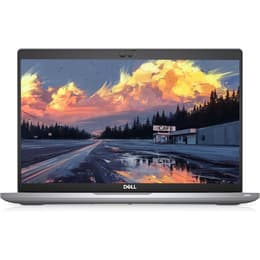
Dell Latitude 5420 14"
Starting at

Refurbished price:A$426.00

Versus A$1,199.00 new

See options
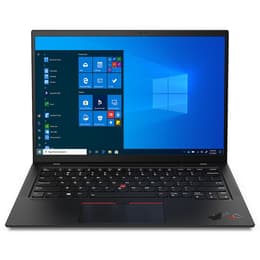
Lenovo ThinkPad X1 Carbon G9 14"
Starting at

Refurbished price:A$631.00

Versus A$3,837.00 new

See options

The Dell Latitude 5420 and the Lenovo ThinkPad X1 Carbon Gen 9 are both 14-inch business-oriented laptops released in 2021. While they share a common release year and target audience, they offer distinct approaches to mobile computing. The Latitude 5420 emphasizes robust enterprise features, extensive connectivity, and user-serviceability, whereas the ThinkPad X1 Carbon Gen 9 prioritizes extreme portability, a premium build, and a refined user experience. Both devices operate on the Windows platform, providing a familiar software environment for business users.

Scores

Durability

Both the Dell Latitude 5420 and the Lenovo ThinkPad X1 Carbon Gen 9 were launched in 2021, meaning they benefit from similar timelines for operating system support and security updates from Microsoft. Their expected practical lifespan is influenced by their build quality and component accessibility.

  • OS Support: Both laptops, running on Windows, are expected to receive several years of software updates, ensuring continued compatibility with modern applications and security protocols.
  • Repairability & Upgradability: The Latitude 5420 generally offers better repairability and upgrade options, featuring two SODIMM slots for RAM expansion up to 64GB and accessible storage. In contrast, the ThinkPad X1 Carbon Gen 9 typically has soldered RAM, limiting user upgrades, though it offers up to 32GB.
  • Build Durability: Both models have undergone MIL-STD 810H testing, indicating a high level of durability against environmental stresses. The Latitude 5420, while heavier, often features a more traditional, robust chassis, while the X1 Carbon Gen 9 utilizes carbon fiber and magnesium alloy for a lighter yet strong construction.

Release year

2020

2020

Last Os Compatibility

Yes

Yes

Operating system

Windows 11

Windows 11

Performance

Both the Dell Latitude 5420 and the Lenovo ThinkPad X1 Carbon Gen 9 are equipped with 11th Generation Intel Core processors, providing solid performance for typical business applications and multitasking. The real-world performance differences often come down to specific configurations and thermal management.

  • Processor Capabilities: Both laptops handle everyday office tasks, web browsing, and light content creation smoothly, thanks to their capable processors. Users can expect responsive performance across a range of productivity applications.
  • Multitasking & RAM: The Latitude 5420 can be configured with up to 64GB of DDR4 RAM across two SODIMM slots, offering significant headroom for heavy multitasking and demanding applications. The ThinkPad X1 Carbon Gen 9, while offering up to 32GB of LPDDR4x RAM, has it soldered to the motherboard, which means it cannot be upgraded after purchase.
  • Battery Behavior: The ThinkPad X1 Carbon Gen 9 typically features a 57Wh battery, often delivering extended usage times, with some configurations reporting over 14 hours on a single charge. The Latitude 5420 offers battery options of 42Wh or 63Wh, with the larger capacity providing comparable all-day endurance for many users.

Memory (GB)

16 GB

16 GB

Processor

Core i5-1135G7

Core i5-1135G7

Graphic card

Intel Iris Xe Graphics

Integrated Graphics

Screen quality

The display options for both the Dell Latitude 5420 and the Lenovo ThinkPad X1 Carbon Gen 9 cater to different user preferences, with the X1 Carbon generally offering more premium panel choices.

  • Display Technology & Resolution: The Latitude 5420 typically offers 14-inch Full HD (1920x1080) IPS panels, with varying brightness levels. The ThinkPad X1 Carbon Gen 9 provides a wider range of 14-inch display options, including Full HD+ (1920x1200) and QHD+ (2560x1600) or even WQUXGA (3840x2400) IPS panels, often with higher brightness and better color accuracy.
  • Aspect Ratio & Viewing Experience: The Latitude 5420 generally uses a 16:9 aspect ratio. The X1 Carbon Gen 9 adopted a 16:10 aspect ratio, which provides more vertical screen real estate, beneficial for document work and web browsing.
  • Brightness & Outdoor Use: While the Latitude 5420 offers panels up to 400 nits in some configurations, many standard options are around 250-300 nits. The X1 Carbon Gen 9 often features options with 400-500 nits of brightness, making it more suitable for use in brightly lit environments or outdoors.

Resolution

1920 x 1080

1920 x 1200

Screen type

LCD

IPS

Audiovisual

Both laptops are designed for business communication, and their audio-visual components reflect this focus, providing adequate performance for virtual meetings and media consumption.

  • Webcam Quality: Both the Latitude 5420 and the ThinkPad X1 Carbon Gen 9 typically feature HD webcams, suitable for video conferencing. The X1 Carbon Gen 9 often includes an optional IR camera for enhanced security features like facial recognition.
  • Microphone & Speaker Performance: Both devices incorporate dual-array microphones designed to capture clear audio during calls. The X1 Carbon Gen 9 often boasts a quad-speaker system with Dolby Atmos tuning, providing a more immersive audio experience for media consumption and clearer sound for conference calls. The Latitude 5420 features downward-firing speakers, which are generally adequate for business use.
  • Video Recording: Standard HD video recording capabilities are present on both, primarily for webcam use. Neither is designed for high-end video production.

Miscellaneous

Beyond core performance, several practical elements differentiate these two business laptops, impacting daily usability and connectivity.

  • Connectivity Options: The Latitude 5420 offers a comprehensive port selection, including two Thunderbolt 4 ports, two USB-A 3.2 Gen 1 ports, HDMI 2.0, an RJ-45 Ethernet port, and a microSD card reader. The ThinkPad X1 Carbon Gen 9 also features two Thunderbolt 4 ports, two USB-A 3.2 Gen 1 ports, and HDMI 2.0, but omits a built-in Ethernet port in favor of a slimmer design, requiring an adapter for wired network connections.
  • Weight & Dimensions: The ThinkPad X1 Carbon Gen 9 is notably lighter and thinner, starting at approximately 1.13 kg (2.49 lbs), making it highly portable. The Latitude 5420 starts at around 1.37 kg (3.03 lbs) or more, offering a slightly more substantial build.
  • Security Features: Both laptops include fingerprint readers for secure login. The X1 Carbon Gen 9 often provides an optional IR camera for facial recognition via Windows Hello and a webcam privacy shutter. The Latitude 5420 also offers an optional IR camera and a mechanical webcam shutter.

Weight

1370 oz

7500 oz

Screen size

14

14

The Dell Latitude 5420 and the Lenovo ThinkPad X1 Carbon Gen 9, both released in 2021, cater to business professionals with differing priorities. User feedback often praises the Latitude 5420 for its robust build, extensive port selection, and user-upgradeable components, making it a reliable workhorse for demanding environments. Some common criticisms include its comparatively heavier chassis and potentially less vibrant display options.

Conversely, the ThinkPad X1 Carbon Gen 9 is frequently lauded for its exceptional portability, premium design, and high-quality display options, along with its comfortable keyboard and refined user experience. However, its soldered RAM and fewer legacy ports are sometimes noted as limitations.

Users prioritizing a highly serviceable and robust machine with a wide array of built-in connectivity for a traditional office or field-based workflow may find the Dell Latitude 5420 well-suited to their needs. Its expandability offers flexibility for future requirements. On the other hand, professionals who value extreme portability, a sleek aesthetic, and a superior visual experience for presentations and frequent travel will likely lean towards the Lenovo ThinkPad X1 Carbon Gen 9. Both models, when acquired as quality-assured refurbished options, offer an eco-friendly alternative for extending the lifecycle of these capable business machines.

See all articles

Our recent comparisons