Compare models

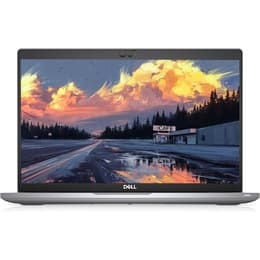
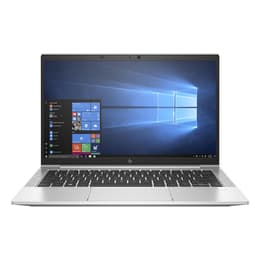
Dell Latitude 5420 14" vs HP EliteBook 830 G7 13"

  • 1-year warranty
  • Free standard shipping
  • Free 30-day returns
Dell Latitude 5420 14"
Starting at

Refurbished price:A$813.00

Versus A$1,199.00 new

See options

Differences at a glance

The Dell Latitude 5420 (2021) and the HP EliteBook 830 G7 (2020) are business-class laptops designed for everyday productivity, remote work, and academic tasks. While both laptops run on the Windows operating system and offer robust build quality typical of enterprise machines, they differ notably in screen estate, release timeline, and internal capabilities.

Choosing between these two models depends on whether users prioritize a slightly more spacious workspace or a more compact, highly portable form factor.

Available Models

Storage

Processor

Memory

Scores

Durability

When evaluating structural longevity and software update timelines, both business laptops are built to endure years of standard office or classroom environments.

  • Release timeline and support: The HP EliteBook debuted in 2020, whereas the Dell Latitude arrived a year later in 2021, giving the Dell model a slight advantage in total operational longevity under standard operating system update lifecycles.
  • Repairability and build: Both units feature modular internal components that allow technicians to replace batteries, storage drives, and memory sticks relatively easily compared to consumer ultrabooks.
  • Expected lifespan: Users can expect several years of dependable daily operation from either device, making a quality-assured refurbished option an eco-friendly choice for reducing electronic waste.

Release year

2020

2019

Last Os Compatibility

Yes

Yes

Operating system

Windows 11

Windows 11

Performance

Both laptops handle standard multitasking, document editing, and web browsing smoothly, though their underlying generational differences affect intensive workloads differently.

  • System responsiveness: The Dell Latitude benefits from a slightly newer generation of internal processing hardware, resulting in quicker application launches and smoother handling of heavy multi-tab browser sessions.
  • Multitasking and memory: Both models support configurable RAM options ranging up to high capacities, allowing users to run multiple office applications simultaneously without noticeable slowdowns.
  • Battery behavior: Battery endurance varies based on battery wear levels and workload intensity, but both machines typically manage standard work hours away from an outlet during normal document editing tasks.

Graphic card

Integrated Graphics

Integrated Graphics

Screen quality

Display characteristics vary between the two models primarily in physical dimensions and panel brightness configurations.

  • Screen size and workspace: The Dell Latitude offers a 14-inch display, providing slightly more horizontal workspace for split-screen multitasking, while the HP EliteBook features a more compact 13.3-inch screen that reduces overall footprint.
  • Clarity and panels: Both devices utilize Full HD resolution panels with anti-glare coatings, minimizing reflections under harsh overhead office or classroom lighting.
  • Outdoor visibility: Panel maximum brightness levels vary depending on the specific configuration chosen at initial purchase, with higher-tier configurations offering better legibility near bright windows or outdoors.

Resolution

1920 x 1080

1920 x 1080

Screen type

LCD

IPS

Audiovisual

Media consumption and communication features are tailored for virtual meetings and daily multimedia tasks on both machines.

  • Webcam and communication: Both laptops include integrated webcams and multi-array microphone systems that deliver clear audio and video quality for remote conferencing and online classes.
  • Audio output: Built-in stereo speakers provide adequate volume for voice calls and casual video streaming, though external headphones are recommended for immersive media enjoyment.
  • Graphics capabilities: Integrated graphics handle everyday visual rendering, video playback, and light casual tasks efficiently without requiring dedicated gaming hardware.

Miscellaneous

Practical day-to-day usability is shaped by physical dimensions, port selection, and security integrations.

  • Port variety: Both models offer comprehensive connectivity, including USB-C ports with charging capabilities, traditional USB ports, and video output slots for connecting external monitors.
  • Dimensions and handling: The HP EliteBook is marginally lighter and more compact due to its smaller screen size, whereas the Dell Latitude provides a slightly larger chassis that accommodates a more expansive keyboard layout.
  • Security features: Enterprise-grade security options, such as integrated fingerprint readers and smart card capabilities, are available on both models to safeguard sensitive user data.

Weight

1370 oz

1240 oz

Screen size

14

13

What the community thinks

User feedback from online communities highlights distinct preferences for each machine. Owners of the Dell Latitude frequently praise its comfortable keyboard layout, robust port selection, and reliable daily snappiness during heavy office workflows. Conversely, users favor the HP EliteBook for its sleek, highly portable chassis and professional build quality that travels easily in small bags.

Users prioritizing maximum screen estate and a slightly newer processor generation may prefer the Dell Latitude 5420, while users prioritizing a lighter, more compact daily travel companion may lean toward the HP EliteBook 830 G7. Choosing a quality-assured refurbished option for either model offers an eco-friendly way to acquire reliable enterprise hardware while supporting sustainable technology consumption.

Our recent comparisons