
Dell Latitude 5300 13" vs Microsoft Surface Pro 6 12"

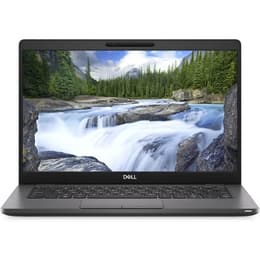
Dell Latitude 5300 13"
Starting at

Refurbished price:A$460.00

Versus A$750.00 new

See options
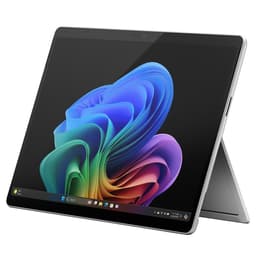
Microsoft Surface Pro 6 12"
See options

The Dell Latitude 5300 13, released in 2019, is a traditional business-oriented laptop designed for productivity. In contrast, the Microsoft Surface Pro 6 12, launched in 2018, offers a versatile 2-in-1 tablet and laptop hybrid experience. Both devices operate on the Windows platform, but their primary differentiators lie in their form factor and the user experiences they aim to provide.

Scores

Durability

When considering the longevity of these devices, several factors come into play, including their release timelines, software support, and ease of repair.

  • Release Timeline: The Dell Latitude 5300 was released in 2019, making it slightly newer than the Microsoft Surface Pro 6, which debuted in 2018. This difference means the Latitude 5300 may receive software updates for a slightly longer period.
  • Software Support: Both devices run on the Windows operating system, and their software longevity is tied to Microsoft's support lifecycle for Windows versions. Given their age, both are approaching the later stages of their optimal software support window compared to more recent models.
  • Repairability: The Dell Latitude 5300 generally offers a more accessible design for repairs, which can contribute to a longer practical lifespan through component replacement. The Microsoft Surface Pro 6, however, has a very low repairability score, often rated as difficult to repair due to its complex construction and components that are often glued in place, making self-repair or professional servicing more challenging.

Release year

2019

2017

Last Os Compatibility

Yes

Yes

Operating system

Windows 11

Windows 11

Performance

The performance of these devices is largely influenced by their internal components and how they handle everyday tasks.

  • Processor Capabilities: Both the Dell Latitude 5300 and the Microsoft Surface Pro 6 are equipped with 8th-generation Intel Core processors. This allows them to handle common tasks such as web browsing, document creation, and video streaming effectively. The Surface Pro 6 was noted for its responsive performance for its time, while the Latitude 5300 provides a solid foundation for business applications.
  • Memory and Storage: Both models were available with various RAM configurations, typically ranging from 8GB to 16GB, with some Latitude 5300 configurations offering up to 32GB. Both also utilize solid-state drives (SSDs) for storage, contributing to faster boot times and application loading compared to traditional hard drives.
  • Battery Behavior: The Microsoft Surface Pro 6 generally offers good battery life, with reported figures of up to 13.5 hours for local video playback and around 9 to 9.5 hours for continuous web browsing. The Dell Latitude 5300 also provides strong battery performance, with some tests indicating over 14 hours for web browsing and more than 16 hours for video playback.

Memory (GB)

8 GB

8 GB

Processor

Core i5 - Gen 8 (U)

Core i7 - Gen 8 (U)

Graphic card

Integrated Graphics

Integrated Graphics

Screen quality

The visual experience on these devices differs significantly due to their display technologies and resolutions.

  • Display Technology and Resolution: The Dell Latitude 5300 features a 13.3-inch Full HD (1920x1080) IPS display, with some configurations offering touch functionality. The Microsoft Surface Pro 6, on the other hand, boasts a 12.3-inch PixelSense display with a higher resolution of 2736 x 1824 pixels and a 3:2 aspect ratio, which is touch-enabled.
  • Brightness and Clarity: The Surface Pro 6 generally offers higher brightness levels, typically around 408 to 416 nits, which can be beneficial for outdoor use or in brightly lit environments. The Latitude 5300's display typically measures around 300 to 313 nits. The higher pixel density of the Surface Pro 6 also contributes to a sharper and more detailed visual experience.
  • Aspect Ratio and Viewing Experience: The 3:2 aspect ratio of the Surface Pro 6 is often preferred for productivity tasks like document editing and web browsing, as it provides more vertical screen real estate. The Latitude 5300 uses a more traditional 16:9 aspect ratio, which is well-suited for media consumption.

Resolution

1920 x 1080

2736 x 1824

Screen type

LED

IPS

Camera

Audiovisual

The camera and audio capabilities of these devices cater to different primary uses, reflecting their design philosophies.

  • Camera System: The Dell Latitude 5300 typically includes a standard integrated webcam, suitable for video conferencing and basic online meetings. The Microsoft Surface Pro 6 features more capable cameras, including a 5-megapixel front-facing camera and an 8-megapixel rear-facing camera, both capable of recording 1080p HD video. The front camera on the Surface Pro 6 also supports Windows Hello for facial recognition.
  • Microphone Quality: Both devices incorporate integrated microphones designed for clear audio capture during calls and recordings. The Surface Pro 6 includes dual microphones for potentially better audio input.
  • Speaker Output: Both the Latitude 5300 and Surface Pro 6 feature integrated stereo speakers for media consumption and audio playback. The Surface Pro 6's speakers are enhanced with Dolby Audio Premium, which can offer a richer sound experience.

Miscellaneous

Beyond core performance, several practical elements differentiate these two devices in daily use.

  • Connectivity Options: Both devices support standard wireless connectivity, including Wi-Fi and Bluetooth. The Dell Latitude 5300 offered optional Wi-Fi 6 and LTE-A for enhanced wireless performance and mobile internet access. The Surface Pro 6 supports Wi-Fi 5 and Bluetooth 4.1.
  • Port Selection: The Dell Latitude 5300 provides a comprehensive array of ports, including multiple USB-A ports, a USB-C port (with optional Thunderbolt 3 support), HDMI, Ethernet, and a microSD card reader, offering broad compatibility with peripherals. In contrast, the Microsoft Surface Pro 6 has a more limited selection, typically featuring one USB 3.0 Type-A port, a Mini DisplayPort, a Surface Connect port for charging and accessories, and a microSD card slot. It notably lacks a USB-C port.
  • Weight and Dimensions: The Dell Latitude 5300, as a traditional laptop, has a starting weight of approximately 1.24 kg (2.73 lbs) for the laptop model, with the 2-in-1 convertible version weighing around 1.43 kg (3.15 lbs). The Microsoft Surface Pro 6 is lighter as a tablet, weighing about 0.77 to 0.78 kg (1.7 to 1.73 lbs), increasing to approximately 1.09 kg (2.4 lbs) when paired with its Type Cover keyboard.

Weight

1240 oz

1090 oz

Screen size

13

12

User feedback for the Dell Latitude 5300 often highlights its robust and sturdy build quality, making it a reliable choice for business environments. Users appreciate its comprehensive port selection and consistent performance for everyday office tasks. Some common criticisms include its display brightness, which some users find could be improved, and its plastic construction compared to more premium-feeling devices. It has also been noted that it can generate heat and noise under heavy workloads.

The Microsoft Surface Pro 6 is frequently praised for its versatile 2-in-1 design, offering the flexibility of a tablet with the functionality of a laptop. Its vibrant, high-resolution display and portability are often cited as strong advantages, along with its solid battery life. However, users commonly express concerns about its limited port selection, particularly the absence of a USB-C port. The fact that the keyboard and pen are typically sold separately is also a frequent point of discussion. Additionally, its complex internal design makes it challenging to repair.

Users prioritizing a traditional, durable laptop experience with a wide range of connectivity options for office work and frequent typing may find the Dell Latitude 5300 better suited to their needs. Conversely, individuals who value portability, touch interaction, pen input for creative or note-taking tasks, and a flexible form factor will likely lean towards the Microsoft Surface Pro 6. Both devices, despite their age, can still serve as capable tools for general productivity, and considering a quality-assured refurbished option for either can be a sustainable choice.

See all articles

Our recent comparisons