Compare models
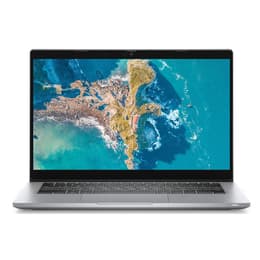
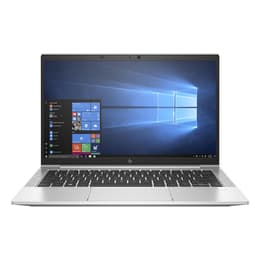
Dell Latitude 5320 13" vs HP EliteBook 830 G7 13"
- 1-year warranty
- Free standard shipping
- Free 30-day returns
Differences at a glance
The Dell Latitude 5320 (2021) and the HP EliteBook 830 G7 (2020) are compact 13-inch business laptops designed for professional users, students, and frequent travelers. While both run on the Windows operating system and target productivity, they differ in their generation and internal layout. The Dell model introduces a slightly newer processor architecture, whereas the HP alternative prioritizes classic enterprise security features and a lightweight metal chassis.
Scores
Durability
When evaluating longevity, hardware age and official software support cycles play major roles in determining how long each laptop remains secure and viable for daily use.
- Release Timeline: The HP EliteBook arrived in 2020, while the Dell Latitude followed in 2021, giving the Dell model a slight advantage in overall hardware age.
- Software Support: Both devices fully support modern Windows operating systems, though the newer Dell model benefits from an extended window for firmware and security patches.
- Repairability: Both laptops offer business-class modular internal layouts, making component replacements straightforward for technicians and extending their practical lifespan.
Release year
2021
2019
Last Os Compatibility
Yes
Yes
Operating system
Windows 11
Windows 11
Performance
Daily computing responsiveness depends heavily on multitasking capability, storage speed, and thermal efficiency under typical workloads.
- Multitasking and Speed: The Dell Latitude features a generation-newer processor architecture that handles office suites, browser tabs, and video calls with improved fluidity, whereas the HP EliteBook relies on reliable quad-core processing suitable for standard document editing.
- Memory and Storage: Both machines are configured with fast solid-state drives for rapid boot times, though RAM configurations vary by unit, with higher memory capacities ensuring smoother multitasking for demanding users.
- Battery Behavior: Both devices deliver dependable battery life through a typical workday of moderate web browsing and word processing, though intensive tasks will require more frequent recharging.
Graphic card
Intel Iris Xe Graphics
Integrated Graphics
Screen quality
Display characteristics impact visual clarity, eye comfort during long working sessions, and usability in varying lighting environments.
- Panel Technology: Both laptops feature 13.3-inch Full HD displays utilizing anti-glare coatings to minimize reflections under harsh office lighting.
- Brightness and Clarity: Standard configurations for both models offer balanced brightness levels suitable for indoor environments, with select variants providing enhanced brightness options for outdoor visibility.
- Viewing Experience: The crisp text rendering and accurate color reproduction make both screens well-suited for reading, spreadsheet management, and media streaming.
Screen type
LCD
IPS
Audiovisual
Media consumption and remote collaboration capabilities depend on integrated audio and video hardware performance.
- Webcam Performance: Both laptops include built-in HD webcams and array microphones adequate for routine video conferences and virtual classrooms.
- Audio Output: Integrated stereo speakers deliver clear dialogue for calls and casual video playback, though external headphones remain recommended for immersive media enjoyment.
- Collaboration Tools: Both manufacturers integrate software utilities to reduce background noise during calls, improving communication clarity in shared workspaces.
Miscellaneous
Physical design choices and port selections determine how easily each laptop integrates into existing workstation setups.
- Connectivity Ports: Both models provide robust physical connection options, including USB ports and video outputs, with the Dell model additionally incorporating modern high-speed Thunderbolt connections.
- Wireless Standards: Both devices support reliable Wi-Fi and Bluetooth protocols to maintain stable connections to wireless accessories and networks.
- Build and Portability: Weighing around 1.2 to 1.3 kilograms, both compact laptops slip easily into backpacks, offering sturdy chassis designs built to withstand daily commuting.
Weight
1320 oz
1240 oz
Screen size
13
13
What the community thinks
Users navigating options between these two productivity machines often note that the Dell Latitude delivers slightly snappier everyday responsiveness due to its newer internal components, while the HP EliteBook earns praise for its comfortable keyboard layout and sturdy metal chassis. Community discussions frequently highlight that both models excel as dependable daily drivers for remote work and study, though buyers occasionally point out that base configurations with lower memory can limit heavy multitasking.
Users prioritizing faster system responsiveness and modern connection ports may prefer the Dell Latitude 5320, while those valuing a classic enterprise design and comfortable typing ergonomics will find the HP EliteBook 830 G7 well-suited to their needs. Opting for a quality-assured refurbished option provides a sustainable choice that extends device lifecycles while maintaining professional performance standards.