Compare models
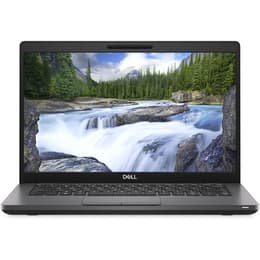
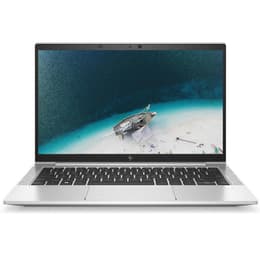
Dell Latitude 5400 14" vs HP EliteBook 830 G7 13"
- 1-year warranty
- Free standard shipping
- Free 30-day returns
Differences at a glance
The Dell Latitude 5400 (2019) and HP EliteBook 830 G7 (2020) are established business-class laptops designed for everyday productivity, remote work, and academic tasks. While both machines run Windows Pro operating systems and offer robust physical security options, they differ primarily in screen size, form factor footprint, and processor generation.
Scores
Durability
Both laptops feature enterprise-grade durability standards, though their release years and repair configurations introduce distinct lifecycle considerations.
- Software support span: Both models run current Windows operating systems smoothly, though the newer HP model benefits from a slightly extended software eligibility window.
- Repairability and maintenance: The Dell model features a modular internal design with accessible components, while the HP model prioritizes a slimmer chassis that requires careful handling during internal component replacements.
- Expected lifespan: Choosing a quality-assured refurbished option provides both devices with a reliable second life for multi-year daily use in professional or educational settings.
Release year
2019
2020
Operating system
Windows 11
Windows 11
Performance
System responsiveness on both devices handles standard office applications, web browsing, and multi-tab workflows effectively through efficient multi-core processing.
- Multitasking capacity: Configurable memory options allow users to run several productivity applications simultaneously without noticeable stuttering or system slowdowns.
- Storage speed: Solid-state drive configurations deliver rapid system boot times and swift file transfers across both machines.
- Thermal behavior: Everyday tasks run quietly, though intensive computing tasks cause both processors to generate fan noise as they manage thermal output within thin chassis designs.
Graphic card
Integrated Graphics
Integrated Graphics
Screen quality
Display panels on both laptops utilize anti-glare coatings to minimize reflections, though they cater to different workspace preferences regarding size and mobility.
- Screen dimensions: The Dell offers a slightly larger 14-inch workspace for comfortable side-by-side window viewing, while the HP provides a more compact 13.3-inch display geared toward travel convenience.
- Clarity and resolution: Full high-definition resolution across both screens renders text sharp and legible for prolonged reading and document editing.
- Brightness and viewing: Indoor visibility remains clear on both devices, though outdoor use under bright sunlight requires maximum backlight adjustment.
Resolution
1920 x 1080
1920 x 1080
Screen type
IPS
IPS
Audiovisual
Media consumption and communication features are tailored for virtual meetings and daily multimedia tasks on both business notebooks.
- Webcam capabilities: Built-in camera lenses handle routine video conferencing adequately in well-lit environments, though low-light conditions introduce visible grain.
- Audio clarity: Integrated dual-microphone arrays capture voice inputs clearly while filtering out ambient background sound during calls.
- Speaker output: Built-in stereo speakers deliver clear dialogue for podcasts and meetings, though external headphones or speakers provide richer sound for music and movies.
Miscellaneous
Physical design elements and connection ports determine how each laptop integrates into existing desk setups and travel bags.
- Port selection: The Dell includes a wider array of legacy ports like Ethernet and multiple standard USB connections, whereas the HP emphasizes modern USB-C interfaces alongside traditional slots.
- Dimensions and weight: The HP model is slightly lighter and more compact for frequent commuters, while the Dell balances a larger footprint with extra perimeter ports.
- Build materials: Rigid chassis construction helps both devices withstand the daily wear and tear of being carried between home, office, and classrooms.
Weight
7500 oz
1230 oz
Screen size
14
13
What the community thinks
User feedback highlights the dependable keyboards and comprehensive port selections of both laptops as major daily advantages, while noting that older built-in webcams require good lighting for optimal clarity. Users prioritizing a slightly larger screen workspace and abundant legacy ports often lean toward the Dell Latitude 5400. Conversely, users valuing a lighter, more compact footprint for travel tend to prefer the HP EliteBook 830 G7. Selecting either model as an eco-friendly refurbished alternative provides a reliable, cost-effective computing solution tailored to individual workflow preferences without unnecessary complexity.