
Compare models

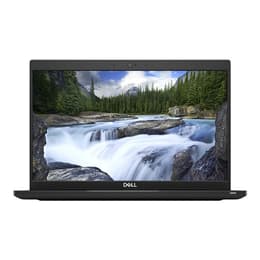
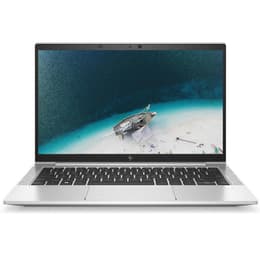
Dell Latitude 7390 13" vs HP EliteBook 830 G7 13"

  • 1-year warranty
  • Free standard shipping
  • Free 30-day returns
HP EliteBook 830 G7 13"
Starting at

Refurbished price:A$625.00

Versus A$900.00 new

See options

Differences at a glance

The Dell Latitude 7390 (2018) and the HP EliteBook 830 G7 (2020) are 13-inch professional laptops designed for office productivity, studying, and everyday mobile use. While both run on the Windows operating system, the HP model arrives two generations newer with updated internal components and a completely redesigned chassis. Choosing between these two portable workhorses depends on balancing hardware generation against daily computing requirements.

Scores

Durability

Both laptops are engineered to enterprise-grade durability standards, though their release years create a distinct gap in long-term software support timelines.

  • Release Timeline: The Dell Latitude 7390 debuted in 2018, while the HP EliteBook 830 G7 launched in 2020, giving the HP model a two-year advantage in hardware aging and component wear.
  • Software Support: Both machines support modern Windows operating systems, but the newer HP hardware maintains compatibility with recent platform feature updates for a longer duration.
  • Repairability: Both commercial designs feature accessible internal layouts and modular parts, making component replacement straightforward for professional technicians.

Release year

2017

2020

Operating system

Windows 11

Windows 11

Performance

Configured with varying generations of multi-core processors and solid-state storage, both devices handle typical office workloads, web browsing, and multi-app multitasking reliably.

  • Multitasking and Responsiveness: The HP EliteBook 830 G7 utilizes a newer processor generation that manages heavy browser tabs and background office applications with slightly greater efficiency than the older Dell Latitude 7390.
  • Storage and Memory: Both laptops offer flexible configurations ranging from standard storage capacities up to expansive solid-state drives, paired with ample memory for daily productivity tasks.
  • Thermal Behavior: Under sustained heavy loads, both machines maintain stable operation, though older cooling systems in the Dell may engage fans more frequently during intensive tasks.

Graphic card

Integrated Graphics

Integrated Graphics

Screen quality

Visual output is handled by 13.3-inch displays featuring full high-definition resolution, balancing workspace area with physical portability.

  • Display Technology: Both models use non-glare panel technology that minimizes distracting reflections under harsh office lighting or near windows.
  • Brightness Levels: Standard configurations for both laptops provide adequate indoor luminance, while upgraded panel options on select models deliver higher brightness for outdoor readability.
  • Viewing Experience: Crisp text rendering and accurate color reproduction make both screens well-suited for extended document editing, reading, and media viewing.

Resolution

1600 x 1200

1920 x 1080

Screen type

IPS

IPS

Audiovisual

Designed primarily for professional communication, both notebooks include integrated audio-visual hardware tailored for remote meetings and daily collaboration.

  • Webcam Performance: Both devices feature standard-definition web lenses suitable for routine video conferencing under normal indoor lighting conditions.
  • Audio Clarity: Integrated microphone arrays capture speech clearly during calls, while internal speakers provide balanced sound output for voice chats and casual listening.
  • Media Consumption: Video playback runs smoothly across both systems, supported by integrated graphics processors capable of handling high-definition video streams without stutter.

Miscellaneous

Physical design, connectivity ports, and peripheral options define how easily each laptop integrates into a mobile working environment.

  • Port Selection: Both models offer a robust array of traditional and modern connection ports, including USB-C, standard USB slots, and video output options for external monitors.
  • Portability: Compact dimensions and lightweight construction make both 13-inch chassis easy to slip into backpacks or shoulder bags for daily commuting.
  • Build Materials: Durable outer casings provide solid structural integrity, protecting internal components against the typical bumps of travel.

Weight

1500 oz

1230 oz

Screen size

13

13

What the community thinks

User feedback from online communities highlights distinct preferences for each machine. Owners of the Dell Latitude 7390 frequently praise its reliable day-to-day processing speed and comfortable port selection, though some note that the older design feels dated and the keyboard has limited travel depth. Conversely, users of the HP EliteBook 830 G7 often compliment its sleek aluminum aesthetics, modern chassis layout, and quiet operation under normal workloads, while occasionally mentioning that base-tier screens lack higher brightness levels.

Users prioritizing a newer hardware generation and modern chassis design will find the HP EliteBook 830 G7 well-suited to their needs. Meanwhile, users focusing on standard office productivity within an established platform may lean toward the Dell Latitude 7390. For those seeking an eco-friendly alternative, a quality-assured refurbished option provides a sustainable choice that extends device life cycles without sacrificing performance reliability.

Our recent comparisons