iPhone
Compare models
Differences at a glance
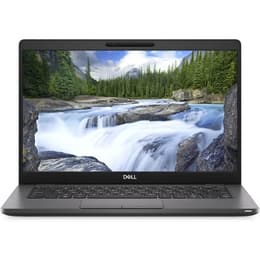
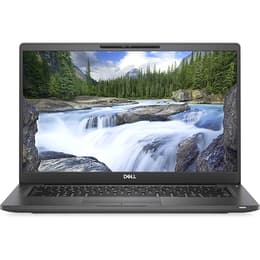
The Dell Latitude 5300 13 and the Dell Latitude 7400 14 are business-oriented laptops, both released around 2019, designed for professionals seeking reliability and productivity. While they share a foundation in robust performance and security features, their primary distinctions lie in their form factor, display size, and subtle design choices that cater to varying user preferences for portability and screen real estate. Both devices operate on the Windows operating system, providing a familiar and consistent user experience.
Both the Dell Latitude 5300 13 and the Dell Latitude 7400 14 were released in 2019, meaning they share a similar starting point for their expected lifespan and software support. Dell's Latitude series is known for its business-grade durability and repair-friendly design, which contributes to their practical longevity.
Release year
Last Os Compatibility
Operating system
When evaluating the performance of the Dell Latitude 5300 13 and the Dell Latitude 7400 14, both devices offer capabilities well-suited for professional tasks, though subtle differences exist in their typical configurations and user experience.
Graphic card
The visual experience on the Dell Latitude 5300 13 and the Dell Latitude 7400 14 is designed for clarity and comfort, with key differences primarily in screen size and available features.
Resolution
Screen type
For communication and media consumption, both the Dell Latitude 5300 13 and the Dell Latitude 7400 14 provide essential audio-visual capabilities suitable for business and personal use.
Beyond core performance and display, several practical elements differentiate the user experience between the Dell Latitude 5300 13 and the Dell Latitude 7400 14.
Weight
Screen size
The Dell Latitude 5300 13 and the Dell Latitude 7400 14 both stand as capable business laptops, each with distinct advantages that cater to different user priorities. User feedback often praises the Latitude 7400 for its impressive battery life, especially configurations with larger capacities, and its robust build quality, often featuring aluminum. [3, 7, 10, 19, 21] Some users note that the 7400's display brightness could be higher in certain configurations, and fan noise can be noticeable under heavy load. [7, 21] The Latitude 5300 is frequently commended for its lighter weight and compact design, making it highly portable, and its comfortable keyboard. [1, 8, 25] However, some users have noted that its battery life, while good, might not always last a full demanding workday without a charge, and its integrated graphics performance is not designed for intensive tasks. [17, 24]
Users prioritizing maximum portability and a slightly more compact footprint may find the Latitude 5300 13 well-suited to their needs. Its carbon fiber construction offers a durable yet lightweight solution for those constantly on the move. Conversely, users who value a larger screen for productivity and potentially longer battery life, particularly with the higher-capacity options, may lean toward the Latitude 7400 14. Its often aluminum build provides a premium feel and enhanced rigidity. Both models offer strong performance for typical business applications and benefit from Dell's focus on repairability, allowing for component upgrades that can extend their useful life. For those considering these reliable business tools, exploring quality-assured refurbished options can provide an eco-friendly alternative.