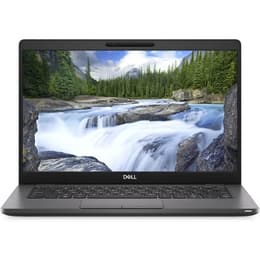
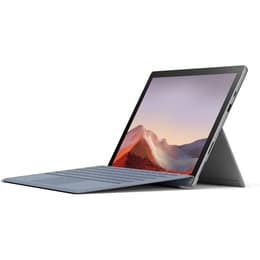

Dell Latitude 5300 13" vs Microsoft Surface Pro 7 12"

Dell Latitude 5300 13"
Starting at

Refurbished price:A$460.00

Versus A$750.00 new

See options
Microsoft Surface Pro 7 12"
Starting at

Refurbished price:A$398.00

Versus A$1,680.00 new

See options

The Dell Latitude 5300 13 and the Microsoft Surface Pro 7 are both versatile computing devices released in 2019, designed to cater to different user preferences within the Windows ecosystem. The Latitude 5300 13 is primarily a business-oriented convertible laptop, offering a traditional clamshell experience with the flexibility of a 2-in-1. In contrast, the Surface Pro 7 is a tablet-first 2-in-1 hybrid, emphasizing portability and touch interaction. Both devices run on the Windows operating system, but their distinct form factors and design philosophies lead to different user experiences.

Scores

Durability

Both the Dell Latitude 5300 13 and the Microsoft Surface Pro 7 were released in 2019, meaning they share a similar starting point for software support and overall lifespan. However, their design and intended use cases can influence their practical durability and longevity.

  • Software Support: Both devices are designed to receive Windows operating system updates for an extended period, ensuring continued access to new features and security patches. Dell, being a business-focused brand, typically provides several years of driver and firmware support for its Latitude series.
  • Physical Construction: The Dell Latitude 5300 13 features a robust build, often incorporating carbon fiber in its construction, contributing to its business-grade durability. The Surface Pro 7 utilizes a magnesium alloy construction, offering a premium feel in a lighter, tablet-centric design.
  • Repairability: Dell Latitude models are generally designed with a degree of serviceability in mind, which can contribute to a longer practical lifespan through component replacement. The tablet-first design of the Surface Pro 7 can make internal repairs more complex.

Release year

2019

2019

Last Os Compatibility

Yes

Yes

Operating system

Windows 11

Windows 11

Performance

The performance capabilities of these two devices are influenced by their internal components, particularly their processors and memory configurations, which translate into different real-world usage impacts.

  • Processor Generation: The Dell Latitude 5300 13 is equipped with 8th Generation Intel Core processors. The Microsoft Surface Pro 7, being a slightly later release in the same year, features 10th Generation Intel Core processors, which generally offer improved efficiency and graphics performance.
  • Multitasking Capacity: The Dell Latitude 5300 13 can be configured with up to 32GB of RAM, providing substantial capacity for extensive multitasking and running numerous applications simultaneously. The Surface Pro 7 offers RAM configurations up to 16GB, which is suitable for most daily tasks and moderate multitasking.
  • Everyday Responsiveness: For general web browsing, document editing, and light productivity, both devices offer smooth performance. However, the Surface Pro 7's newer generation processors may provide a slight edge in responsiveness for more demanding applications or tasks that benefit from enhanced integrated graphics.

Memory (GB)

8 GB

8 GB

Processor

Core i5 - Gen 8 (U)

Core i5 - Gen 10 (G4)

Graphic card

Integrated Graphics

Integrated Graphics

Screen quality

The visual experience on these devices differs significantly due to their display technologies, resolutions, and aspect ratios, impacting how content is viewed and interacted with.

  • Display Technology and Resolution: The Dell Latitude 5300 13 typically features a 13.3-inch Full HD (1920x1080) IPS display, with touch functionality available on some configurations. The Microsoft Surface Pro 7 boasts a 12.3-inch PixelSense display with a higher resolution of 2736 x 1824 pixels, resulting in a sharper image and greater pixel density.
  • Brightness and Clarity: The Dell Latitude 5300 13 offers a brightness of around 300 nits. The Surface Pro 7's display is also known for good brightness and vibrant colors, contributing to clear visibility in various lighting conditions.
  • Aspect Ratio and Viewing Experience: The Dell Latitude 5300 13 uses a traditional 16:9 aspect ratio, which is well-suited for widescreen video content. The Surface Pro 7 features a 3:2 aspect ratio, providing more vertical screen real estate that can be beneficial for productivity tasks like document editing and web browsing, reducing the need for scrolling.

Resolution

1920 x 1080

1920 x 1280

Screen type

LED

LED

Camera

Audiovisual

The audio and visual capabilities of these devices are tailored to their respective design philosophies, with notable differences in camera quality and speaker output.

  • Camera System: The Microsoft Surface Pro 7 is equipped with both a front-facing camera that supports Windows Hello facial authentication and a rear-facing camera, making it well-suited for video calls and casual photography. The Dell Latitude 5300 13 includes a standard webcam, primarily for business conferencing needs.
  • Microphone Quality: The Surface Pro 7 features "Studio Mics," designed to capture clear audio for calls and recordings. The Dell Latitude 5300 13 includes integrated microphones suitable for typical communication.
  • Speaker Output: For media consumption, the Surface Pro 7 offers front-facing stereo speakers with Dolby Audio Premium, providing a more immersive sound experience for its size. The Dell Latitude 5300 13's speakers are generally positioned for functional audio output in a laptop form factor.

Miscellaneous

Beyond core performance and display, several practical elements differentiate these two devices, impacting their usability and suitability for various user needs.

  • Connectivity Options: The Dell Latitude 5300 13 offers a comprehensive selection of ports, including multiple USB-A ports, a USB-C port (with optional Thunderbolt 3), HDMI, Gigabit Ethernet, and a microSD card reader, catering to a wide range of peripherals and external displays. The Microsoft Surface Pro 7 includes a USB-C port, a USB-A port, a 3.5mm headphone jack, a Surface Connect port, and a microSDXC card reader, providing essential modern connectivity. Both support Wi-Fi 6 and Bluetooth 5.0.
  • Portability and Form Factor: The Surface Pro 7 is significantly lighter, starting at approximately 0.77 kg (1.70 lbs) without its detachable Type Cover, making it highly portable as a tablet. The Dell Latitude 5300 13, as a convertible laptop, starts at around 1.24 kg (2.73 lbs), offering a more stable lap-typing experience.
  • Input Methods: The Surface Pro 7 supports the Surface Pen and a detachable Type Cover (sold separately), enabling versatile input for drawing, note-taking, and typing. The Dell Latitude 5300 13 provides a traditional keyboard and trackpad experience, with touch and pen input available on specific convertible models.

Weight

1240 oz

775 oz

Screen size

13

12

The Dell Latitude 5300 13 and the Microsoft Surface Pro 7, both released in 2019, offer distinct computing experiences tailored to different user priorities. The Dell Latitude 5300 13 is often praised for its robust, business-grade construction and its comprehensive array of ports, providing a reliable and versatile workstation for traditional office environments. Users appreciate its stable laptop form factor and extensive connectivity, though some may find it less agile for highly mobile use compared to tablet-first devices.

Conversely, the Microsoft Surface Pro 7 receives acclaim for its exceptional portability, high-resolution PixelSense display, and its flexibility as a tablet and laptop hybrid. Its support for the Surface Pen and Type Cover makes it a strong contender for creative tasks, presentations, and on-the-go productivity. However, some users have noted that its battery life can be a limitation for extended heavy use, and the essential accessories are often purchased separately.

Users prioritizing a traditional, durable laptop experience with a wide range of built-in connectivity for a fixed workspace or frequent peripheral use may find the Dell Latitude 5300 13 better suited to their needs. On the other hand, individuals who value extreme portability, a sharp touch-enabled display, and the versatility of pen input for creative work or dynamic presentations will likely lean towards the Microsoft Surface Pro 7. For those considering either device, exploring quality-assured refurbished options can provide an eco-friendly alternative to access these features sustainably.

See all articles

Our recent comparisons