
Compare models
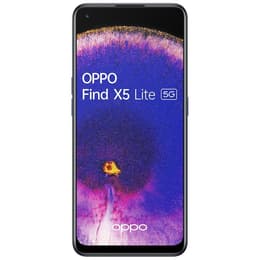
Motorola Razr 40 Ultra vs Oppo Find X5 Lite
- 1-year warranty
- Free standard shipping
- Free 30-day returns
Differences at a glance
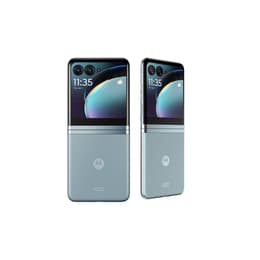
The Motorola Razr 40 Ultra (2023) and the Oppo Find X5 Lite (2022) represent two entirely different approaches to modern smartphone design, contrasting a folding flip phone format with a conventional candy-bar body. While both devices run on the Android operating system, they cater to distinct mechanical preferences and daily user needs.
The primary differentiators between these two smartphones lie in their form factor, exterior display versatility, and internal processing capabilities, offering distinct user experiences.
Available Models
Colour
Storage
Scores
Durability
When examining longevity and hardware support, these devices offer different timelines based on their respective release years and software update schedules.
- Software longevity: The Motorola Razr 40 Ultra benefits from a newer release year, translating to a longer remaining window of Android operating system upgrades and security patches compared to its competitor.
- Repairability and build: Folding mechanisms require specific engineering care over time, whereas conventional slab designs like the Oppo Find X5 Lite feature fewer moving physical parts for long-term mechanical stability.
- Expected lifespan: Both models are built to sustain multi-year daily use, though users prioritizing extended software support cycles may lean toward the newer release.
Release year
2023
2022
Compatible with latest Update
Yes
No
Operating system
Android
Android
Foldable
Yes
No
Performance
Underneath their exteriors, these smartphones handle everyday tasks, app switching, and multitasking through different hardware configurations.
- System responsiveness: The Motorola Razr 40 Ultra handles demanding applications, graphic-heavy gaming, and swift multitasking smoothly with its higher-tier processor architecture.
- Storage and memory: Both configurations provide ample internal space for everyday applications and media, paired with sufficient memory to keep background tasks active without stuttering.
- Battery behavior: The Oppo Find X5 Lite manages typical daily use reliably, while the Motorola Razr 40 Ultra balances power between its internal folding screen and external cover display to sustain a full day of mixed activity.
Screen quality
Display technology differs significantly between the two models, changing how users interact with media, notifications, and outdoor content.
- Display technology: The Motorola Razr 40 Ultra features a flexible folding OLED main screen paired with a large, functional outer cover display, whereas the Oppo Find X5 Lite uses a traditional flat AMOLED panel.
- Refresh rate and smoothness: The Motorola device offers a higher refresh rate for seamless scrolling and fluid animations, while the Oppo model provides a standard high refresh rate suitable for daily viewing.
- Outdoor visibility: Both screens reach adequate brightness levels for clear outdoor readability under direct sunlight, though reflective qualities vary slightly due to the folding plastic layer on the flip device.
Resolution
1080 x 2640
1080 x 2400
Screen type
Foldable LTPO AMOLED
AMOLED
Audiovisual
Photography and media consumption capabilities vary across both hardware layouts, affecting everyday snapshots, video calls, and audio output.
- Camera systems: The Motorola Razr 40 Ultra utilizes dual exterior sensors that double as selfie cameras when the device is folded, while the Oppo Find X5 Lite relies on a traditional triple-lens rear array suited for versatile everyday focal lengths.
- Video and low light: Both devices capture clear details in standard lighting conditions, with image processing software managing highlights and shadows automatically during evening photography.
- Media experience: Audio output through stereo speakers on both models delivers clear dialogue for video calls and casual streaming, though neither includes a traditional headphone jack.
Main camera
12 megapixels
64 megapixels
Front camera
32 megapixels
32 megapixels
Miscellaneous
Practical physical traits, connectivity standards, and daily handling features shape how each device fits into routine use.
- Connectivity and ports: Both smartphones support modern 5G networks, fast Wi-Fi standards, and Bluetooth pairing, utilizing reversible USB-C ports for charging and data transfer.
- Security sensors: The Motorola Razr 40 Ultra integrates a fingerprint sensor into the side power button alongside facial recognition, while the Oppo Find X5 Lite features an in-display optical fingerprint scanner.
- Handling and dimensions: The Motorola folds into a compact square that easily slips into small pockets, whereas the Oppo maintains a slim, lightweight traditional profile that feels familiar in one hand.
Weight
192 oz
173 oz
Screen size (in)
6,9
6,43
Network
5G
5G
SIM card
Dual Physical SIM
Physical SIM
Carrier compatibility
Unlocked
Unlocked
Connector
USB-C
USB-C + Jack 3.5mm
What the community thinks
Community discussions and user feedback highlight distinct preferences for each device. Owners of the Motorola Razr 40 Ultra frequently praise its compact folded footprint, unique external cover display utility, and swift day-to-day operation. At the same time, some users note that folding screens require gentle handling and that battery capacity is constrained by the slim physical chassis. Users of the Oppo Find X5 Lite often highlight its reliable traditional ergonomics, consistent daily battery endurance, and straightforward user interface, though some mention that its processor handles intensive modern gaming less fluidly than newer flagship alternatives.
Users prioritizing a compact pocket size, innovative screen versatility, and faster processing speeds may prefer the Motorola Razr 40 Ultra. Conversely, users prioritizing a conventional layout, reliable daily ergonomics, and a standard software experience will find the Oppo Find X5 Lite well-suited to their needs. Choosing a quality-assured refurbished option from Back Market allows consumers to explore either device type as a sustainable choice that reduces electronic waste.