
Motorola Moto G53 vs Motorola Razr 40

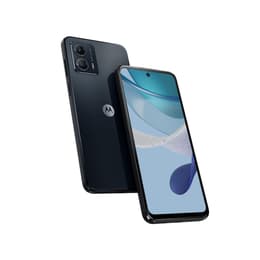
Motorola Moto G53
Motorola Moto G53
Starting at

Refurbished price:A$203.77

Versus A$975.00 new

See options
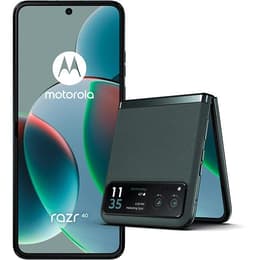
Motorola Razr 40
Motorola Razr 40
See options

The Motorola Moto G53 and the Motorola Razr 40 are distinct smartphone offerings from Motorola, released in late 2022 and mid-2023, respectively. While the Moto G53 is a traditional slab-style smartphone, the Razr 40 introduces a foldable design, fundamentally altering its form factor and user interaction. These devices cater to different user preferences, primarily differing in their display technology, overall design, and processing capabilities.

Scores

Durability

The longevity of a smartphone is influenced by its build, software support, and the inherent durability of its components. Both devices offer a modern Android experience, but their designs present different considerations for long-term use.

  • Release Timeline: The Moto G53 was released in December 2022, while the Razr 40 followed in June 2023, making the Razr 40 a slightly newer device. This difference in release date can impact the duration of future software support.
  • Software Support: The Moto G53 launched with Android 13 and has received the Android 14 update. Motorola's update policy for the Razr 40 promises three major Android OS upgrades and four years of bi-monthly security updates, extending its software lifespan further than many other Motorola handsets. This means the Razr 40 is expected to receive updates up to Android 16.
  • Physical Durability: The Moto G53 features a plastic back and frame, contributing to its overall resilience in daily handling. The Razr 40, with its foldable design, incorporates a plastic front when unfolded, a glass back protected by Gorilla Glass Victus, and an aluminum frame. Both devices carry an IP52 water-repellent rating, offering protection against splashes. However, the folding mechanism of the Razr 40 introduces a unique point of wear, though user reports suggest the hinge can hold up well over time.
  • Repairability: Foldable phones generally present more challenges for repair due to their complex internal structure. The Razr 40 has a repairability score of 4 out of 10, indicating that while not impossible, repairs can be difficult. Traditional slab phones like the Moto G53 are typically more straightforward to repair, though no specific iFixit score was found for this model.

Release year

2022

2023

Compatible with latest Update

Yes

Yes

Operating system

Android

Android

Foldable

No

Yes

Performance

The performance of a smartphone dictates its responsiveness and ability to handle various applications and tasks. The Moto G53 and Razr 40 offer different levels of processing power, impacting their suitability for demanding usage.

  • Processing Power: The Moto G53 is equipped with a processor designed for efficient everyday tasks and 5G connectivity. It handles common applications, web browsing, and casual gaming smoothly. The Razr 40 features a more capable current-generation processor, providing a noticeable boost in speed and efficiency. This allows for smoother multitasking, faster app loading, and a more fluid experience with graphically intensive games and applications.
  • Multitasking and Responsiveness: The Moto G53 typically comes with 4GB or 6GB of RAM, which is sufficient for standard multitasking. The Razr 40 offers 8GB or 12GB of RAM, enabling it to keep more applications open in the background and switch between them more seamlessly without performance degradation.
  • Storage Options: The Moto G53 provides 64GB or 128GB of internal storage, with the option to expand via a microSD card. The Razr 40 offers larger internal storage options, ranging from 128GB to 512GB, utilizing faster storage technology, but without microSD expansion.
  • Battery Life: The Moto G53 houses a larger 5000 mAh battery, which, combined with its less demanding display and processor, often results in extended usage times, frequently lasting up to two days for moderate users. The Razr 40 has a 4200 mAh battery. While its foldable display and more powerful processor can consume more energy, user reports indicate it can still comfortably last through a full day of typical use.

Memory (GB)

8 GB

8 GB

Screen quality

The display is a primary interface for smartphone interaction, and both devices offer distinct visual experiences tailored to their form factors.

  • Display Technology and Clarity: The Moto G53 features a 6.5-inch IPS LCD display with a resolution of 720 x 1600 pixels. This provides clear visuals for everyday content, though it may not offer the same depth of blacks or contrast as OLED panels. The Razr 40 boasts a 6.9-inch foldable LTPO AMOLED main display with a higher resolution of 1080 x 2640 pixels, delivering vibrant colors, deep blacks, and excellent contrast.
  • Refresh Rate and Smoothness: Both phones offer a high refresh rate for smoother scrolling and animations. The Moto G53 has a 120Hz refresh rate. The Razr 40's main display features an even higher 144Hz refresh rate, contributing to an exceptionally fluid visual experience.
  • Brightness and Outdoor Visibility: The Razr 40's AMOLED display can achieve higher peak brightness levels, making it more comfortable to view in bright outdoor conditions compared to the Moto G53's LCD panel.
  • Unique Form Factor: The Razr 40's foldable design allows it to be compact when closed, and it includes a 1.5-inch AMOLED cover display for quick notifications and interactions without opening the phone. This cover display also supports a 120Hz refresh rate. The Moto G53 has a traditional, non-folding screen.

Resolution

720x1600

1080 x 2640

Screen type

IPS LCD

Foldable LTPO AMOLED

Audiovisual

Camera capabilities are a significant factor for many users, and these two Motorola phones approach photography with different hardware and software optimizations.

  • Main Camera Performance: The Moto G53 features a 50MP main camera, which performs well in good lighting conditions, capturing decent detail and natural colors. Its low-light performance is acceptable for its category, though it can struggle with softness and graininess. The Razr 40 is equipped with a 64MP main camera with optical image stabilization (OIS), which aids in capturing sharper images, especially in challenging lighting. Users report good image quality with vibrant colors and effective HDR.
  • Additional Lenses: The Moto G53 includes a 2MP macro lens, which offers limited utility for detailed close-up shots. The Razr 40 features a 13MP ultra-wide-angle camera with autofocus, providing more versatility for landscape and group shots, and can also be used for macro photography.
  • Selfie Camera: The Moto G53 has an 8MP front-facing camera suitable for video calls and casual selfies. The Razr 40 offers a higher-resolution 32MP front camera, capable of capturing more detailed selfies. Additionally, the Razr 40's foldable design allows users to utilize the more capable main cameras for high-quality selfies, viewing themselves on the cover screen.
  • Video Recording: Both devices can record video, with the Razr 40 offering up to 4K resolution at 30 frames per second from its main camera, while the Moto G53 is limited to 1080p at 30 frames per second.

Main camera

50 megapixels

64 megapixels

Front camera

8 megapixels

32 megapixels

Miscellaneous

Beyond the core features, several practical elements contribute to the overall user experience and daily convenience of these smartphones.

  • Connectivity: Both the Moto G53 and Razr 40 support 5G connectivity for faster mobile data speeds. The Razr 40 offers more advanced Wi-Fi 6E and Bluetooth 5.3 standards, providing potentially faster and more stable wireless connections compared to the Moto G53's Wi-Fi 5 and Bluetooth 5.1.
  • Ports and Biometrics: The Moto G53 retains a 3.5mm headphone jack, a feature absent on the Razr 40. Both devices utilize a USB-C port for charging and data transfer. For security, both phones feature a side-mounted fingerprint sensor. The Razr 40 also supports face unlock.
  • Build Materials and Handling: The Moto G53 has a plastic construction, making it relatively lightweight at 183g. The Razr 40, despite its more complex foldable mechanism, weighs slightly more at 188.6g. Its folded dimensions make it very compact and pocketable, while unfolded it offers a large screen experience. The Razr 40's exterior includes a vegan leather finish on the back, offering a distinct tactile experience.
  • Audio Experience: Both phones feature stereo speakers, with the Moto G53 also supporting Dolby Atmos for an enhanced audio experience.

Weight

183 oz

189 oz

Screen size (in)

6.5

6,9

Network

5G

5G

SIM card

Dual Physical SIM

Dual Physical SIM + eSIM

Carrier compatibility

Unlocked

Unlocked

Choosing between the Motorola Moto G53 and the Motorola Razr 40 involves weighing the benefits of a traditional, robust smartphone against the innovative design and enhanced features of a foldable device. User feedback for the Moto G53 often praises its long battery life and smooth 120Hz display for everyday use, making it a reliable option for those seeking consistent performance without advanced features. However, some users note its camera performance can be underwhelming in certain conditions, and the display resolution is lower than many competitors.

The Razr 40, on the other hand, is frequently lauded for its unique foldable form factor, which offers a large screen when open and a compact, pocketable design when closed. Its vibrant AMOLED display and more powerful processor are also common points of praise, along with the versatility of using the main camera for selfies via the cover screen. Criticisms sometimes point to the inherent crease in the foldable display, which is visible but generally not a distraction during use, and the repairability challenges associated with foldable technology.

Users prioritizing a long-lasting battery, a traditional smartphone experience, and expandable storage for media and files may find the Moto G53 well-suited to their needs. It serves as a practical choice for daily communication, social media, and casual content consumption. Conversely, individuals seeking a more modern, compact, and visually striking device with a superior display and enhanced camera capabilities will likely lean towards the Razr 40. Its foldable design offers a different interaction paradigm, appealing to those who value innovation and portability. Both devices offer a quality-assured refurbished option, providing an eco-friendly alternative for consumers.

See all articles

Our recent comparisons