

Compare models
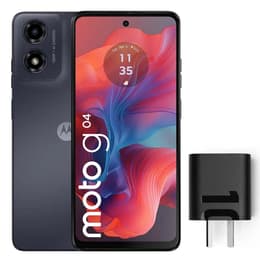
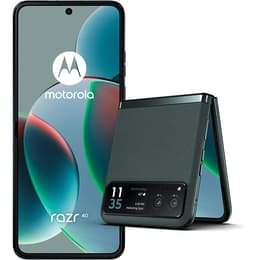
Motorola Moto G04 vs Motorola Razr 40
- 1-year warranty
- Free standard shipping
- Free 30-day returns
Differences at a glance
The Motorola Moto G04 (2024) and the Motorola Razr 40 (2023) represent two entirely different approaches to modern smartphone engineering. While the Moto G04 is a traditional, entry-level bar phone designed for everyday reliability, the Motorola Razr 40 is a modern clamshell foldable that brings alternative form factors to the mainstream. Both devices run on Android operating systems, though the Moto G04 launched with a slightly newer software version out of the box. These models cater to distinctly separate user preferences regarding design and capability.
Available Models
Colour
Storage
Scores
Durability
When considering longevity, these devices offer contrasting hardware cycles and software update expectations that influence their practical lifespan.
- Release timeline and support: The Motorola Razr 40 debuted in mid-2023, whereas the Moto G04 arrived in early 2024, meaning their official software support windows span slightly different timelines.
- Repairability and build durability: Traditional bar phones like the Moto G04 generally feature fewer moving parts, while foldable devices like the Razr 40 incorporate complex hinge mechanisms that require careful handling over years of daily folding and unfolding.
- Expected lifespan: Users can expect standard daily operational reliability from both models, though hardware resilience heavily favors the traditional bar structure for long-term physical wear.
Release year
2024
2023
Performance
Daily responsiveness and multitasking capabilities differ notably between these two smartphones due to their underlying hardware configurations and memory allocations.
- Multitasking and memory: The Motorola Razr 40 includes higher RAM configurations that handle simultaneous app switching and demanding tasks smoothly, whereas the Moto G04 relies on entry-level processing suited for basic web browsing and messaging.
- Storage capacity: Internal storage options vary widely, with the Razr 40 providing ample space for large media libraries, while the Moto G04 offers scaled-down storage configurations meant for lighter document and app usage.
- Battery behavior: The Moto G04 features a high-capacity battery paired with modest hardware demands that easily stretch across a full day, while the Razr 40 balances dual-screen power usage with moderate battery sizing.
Screen quality
Display technology is one of the most significant differentiators, altering media consumption and visual clarity across both devices.
- Display technology: The Motorola Razr 40 utilizes a flexible foldable OLED panel that delivers deep contrast and vivid color reproduction, contrasted by the Moto G04's standard IPS LCD screen built for straightforward daily viewing.
- Refresh rate and fluidity: Both models incorporate elevated refresh rates above standard levels, ensuring smooth scrolling through menus, web pages, and social media feeds.
- Outdoor visibility: Peak brightness levels on the OLED panel of the Razr 40 generally offer clearer visibility under direct sunlight compared to the entry-level LCD panel found on the Moto G04.
Audiovisual
Photography and multimedia output reflect the distinct market positioning of each smartphone, catering to varying creative needs.
- Camera systems: The Motorola Razr 40 features a versatile dual rear camera setup alongside a high-resolution front sensor, while the Moto G04 keeps things simple with a single foundational rear lens.
- Low-light and video performance: Advanced image processing on the Razr 40 allows for cleaner low-light shots and stable high-definition video recording, whereas the Moto G04 handles casual snapshots adequately in well-lit environments.
- Media and audio output: Speaker clarity and call microphone quality lean in favor of the Razr 40, providing a more immersive audio experience for streaming videos and music.
Miscellaneous
Practical physical traits, connectivity standards, and daily usability features round out the profile of each device.
- Connectivity and ports: Both models support modern USB-C connection standards and standard wireless protocols, though the Razr 40 incorporates broader modern cellular and Wi-Fi capabilities.
- Form factor and handling: The Moto G04 is a lightweight, traditional bar phone that fits comfortably in one hand, while the Razr 40 folds compactly into a square shape that takes up less pocket space.
- Security sensors: Both devices utilize side-mounted fingerprint sensors and facial recognition capabilities for quick, secure unlocking.
Screen size (in)
6.56
6.9
Network
4G
5G
SIM card
Dual Physical SIM
Dual Physical SIM
Carrier compatibility
Unlocked
Unlocked
Connector
micro USB + Jack 3.5mm
USB-C
What the community thinks
User feedback from online communities highlights distinct patterns of satisfaction for each model. Owners of the Motorola Moto G04 frequently praise its reliable day-to-day battery performance and straightforward, no-nonsense interface. Conversely, Motorola Razr 40 users often emphasize the appeal of the folding form factor, compact pocketability, and vibrant primary display.
Users prioritizing compact pocket size, modern display technology, and versatile multimedia features may prefer the Motorola Razr 40. Meanwhile, users prioritizing a classic, durable bar design and straightforward daily utility will lean toward the Moto G04. Exploring a quality-assured refurbished option can also provide access to these features as a sustainable choice.
Ultimately, the decision rests on whether a traditional bar layout or an innovative folding design better suits your daily routine.




