
Motorola Moto E13 vs Motorola Moto E32

Motorola Moto E13
Motorola Moto E13
Starting at

Refurbished price:A$121.29

Versus A$244.00 new

See options
Motorola Moto E32
Motorola Moto E32
See options

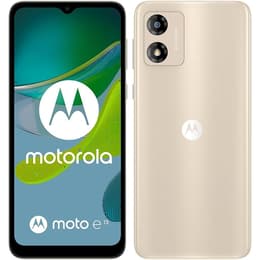
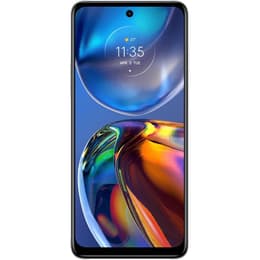
The Motorola Moto E13, released in January 2023, and the Motorola Moto E32, launched in May 2022, are both entry-level smartphones designed for everyday use. While sharing a similar design philosophy and the Android operating system, the Moto E32 offers a smoother display experience and a more versatile camera system, whereas the Moto E13 benefits from a newer Android version out of the box.

Scores

Durability

When considering the long-term usability of these devices, several factors come into play, including their release timelines and software support.

  • Release Timeline: The Moto E13 was released in January 2023, making it a newer device compared to the Moto E32, which launched in May 2022. This difference in release date can impact the duration of future software updates.
  • Software Longevity: The Moto E13 ships with Android 13 Go Edition, an optimized version of Android for devices with lower specifications. The Moto E32 initially ran on Android 11, with an expected upgrade to Android 12. The newer base Android version on the E13 generally suggests a longer period of official software support from the manufacturer.
  • Durability Features: Both smartphones feature an IP52 water-repellent design, offering some protection against splashes and dust, which contributes to their practical lifespan under normal usage conditions.

Release year

2023

2022

Compatible with latest Update

No

No

Operating system

Android

Android

Foldable

No

No

Performance

The performance of these devices is tailored for essential smartphone functions, with differences in their underlying hardware influencing daily responsiveness.

  • Processing Capabilities: The Moto E13 is equipped with a Unisoc T606 processor, while the Moto E32 features a MediaTek Helio G37 processor. Both processors are designed for efficiency in entry-level devices, handling basic applications and light multitasking.
  • Multitasking and Responsiveness: The Moto E13 is available with 2GB, 4GB, or 8GB of RAM, and its Android Go Edition is optimized for lower RAM configurations. The Moto E32 typically comes with 3GB or 4GB of RAM. Users of the Moto E13, particularly those with 2GB RAM variants, have reported occasional slowness and app crashes with heavier usage. Similarly, some Moto E32 users have noted instances of lag and stuttering, especially after software updates.
  • Battery Life: Both devices are powered by a substantial 5000 mAh battery, designed to provide extended usage on a single charge. Users of the Moto E13 have generally praised its battery longevity, even after prolonged use.

Memory (GB)

4 GB

4 GB

Screen quality

The visual experience on both smartphones is delivered through similar display technologies, with one key difference impacting smoothness.

  • Display Technology and Resolution: Both the Moto E13 and Moto E32 feature a 6.5-inch IPS LCD display with HD+ resolution (720 x 1600 pixels). This provides adequate clarity for general content consumption, such as browsing and video playback.
  • Refresh Rate: A notable distinction lies in the refresh rate. The Moto E13 has a standard 60Hz refresh rate, suitable for typical daily interactions. In contrast, the Moto E32 offers a smoother 90Hz refresh rate, which can make scrolling and animations appear more fluid.
  • Brightness and Viewing: Both displays offer a decent viewing experience indoors. However, some users have indicated that the Moto E13's display brightness might be less optimal for comfortable viewing in bright outdoor conditions.

Resolution

720 x 1600

720 x 1600

Screen type

IPS LCD

IPS LCD

Audiovisual

The camera systems on these Motorola phones cater to basic photography needs, with the Moto E32 offering more versatility.

  • Rear Camera Setup: The Moto E13 features a single 13-megapixel main camera. The Moto E32 comes with a more comprehensive triple-camera system, including a 50-megapixel main sensor, complemented by 2-megapixel macro and 2-megapixel depth sensors.
  • Photography Performance: The higher megapixel count and additional sensors on the Moto E32 generally allow for more detailed photos and offer options like close-up shots and portrait effects. The Moto E13's single camera is suitable for well-lit environments, but its camera application has been noted by some users to be slow to launch.
  • Front Camera and Video: For selfies and video calls, the Moto E13 has a 5-megapixel front camera. The Moto E32 is equipped with an 8-megapixel front camera, providing slightly more detail for self-portraits. Both devices are capable of recording videos at 1080p resolution at 30 frames per second.

Main camera

13 megapixels

16 megapixels

Front camera

5 megapixels

8 megapixels

Miscellaneous

Beyond core features, several practical elements differentiate these two Motorola smartphones, influencing their overall user experience.

  • Connectivity and Ports: Both devices support 4G LTE connectivity and include a 3.5mm headphone jack, which is convenient for wired audio. They also utilize a USB-C port for charging and data transfer. Both support Wi-Fi 5 and Bluetooth 5.0.
  • Biometric Security: A key difference is the inclusion of a side-mounted fingerprint sensor on the Moto E32, offering a quick and secure way to unlock the device. The Moto E13 relies solely on face recognition and traditional PIN/pattern methods for unlocking, as it lacks a fingerprint sensor.
  • Physical Characteristics: In terms of physical build, both phones have similar dimensions and are constructed with plastic materials. The Moto E13 weighs approximately 179.5 grams, while the Moto E32 is slightly heavier at around 184-185 grams.

Weight

179 oz

184 oz

Screen size (in)

6.5

6,5

Network

4G

4G

SIM card

Dual Physical SIM

Dual Physical SIM

Carrier compatibility

Unlocked

Unlocked

Connector

USB-C

USB-C + Jack 3.5mm

The Motorola Moto E13 and Moto E32 cater to users seeking functional smartphones for everyday tasks. User feedback for the Moto E13 often highlights its reliable battery life as a strong point. However, some users have expressed concerns regarding its performance, particularly with the 2GB RAM variant, noting occasional slowness and app instability.

The Moto E32 is frequently praised for its smoother 90Hz display, which enhances the scrolling and general navigation experience. Conversely, some users have reported instances of lag and performance degradation over time, especially following system updates. The absence of NFC for contactless payments is also a common point of discussion among E32 users.

Users prioritizing a newer Android version out of the box and a slightly lighter device might find the Moto E13 well-suited to their needs, especially for basic communication and media consumption. Those who value a smoother display for browsing and a more versatile camera system may lean towards the Moto E32. Additionally, the Moto E32 offers the convenience of a fingerprint sensor for quicker unlocking.

Both models represent a practical choice for those looking for a quality-assured refurbished option, offering an eco-friendly alternative to new purchases.


See all articles

Our recent comparisons