
Galaxy S21+ 5G vs iPhone 16

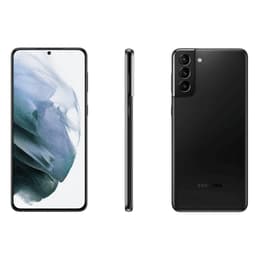
Galaxy S21+ 5G
Galaxy S21+ 5G
Starting at

Refurbished price:A$348.00

Versus A$2,005.00 new

See options
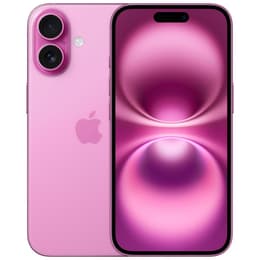
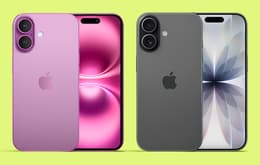
iPhone 16
iPhone 16
Starting at

Refurbished price:A$949.00

Versus A$1,399.00 new

See options

Ratings

The Samsung Galaxy S21 Plus 5G, released in January 2021, and the Apple iPhone 16, launched in September 2024, represent different generations and operating systems in the smartphone landscape. While the Galaxy S21 Plus 5G offers a robust Android experience with a large display, the iPhone 16 provides Apple's latest iOS innovations, an updated processor, and enhanced camera capabilities. These differences cater to distinct user preferences regarding software ecosystem, performance, and device longevity.

Scores

Durability

When considering the practical lifespan of these devices, their release timelines and software support policies are key differentiators.

  • Release Timeline: The Galaxy S21 Plus 5G was released in January 2021, making it an older device compared to the iPhone 16, which launched in September 2024. This age difference directly impacts their remaining software support.
  • OS Support Duration: The Galaxy S21 Plus 5G has reached the end of its major software update cycle, having received four major Android OS updates up to Android 15, with security updates concluding around November 2025. In contrast, the iPhone 16, running on iOS 18 at launch, is expected to receive major iOS updates for several more years, typically 5-7 years from its release. This provides the iPhone 16 with a significantly longer period of official software support and access to new features.
  • Practical Lifespan: Both devices feature durable builds with Gorilla Glass Victus on the S21 Plus 5G and Ceramic Shield on the iPhone 16, alongside IP68 water and dust resistance. However, the extended software longevity of the iPhone 16 means it will remain compatible with the latest applications and security protocols for a longer duration, potentially extending its practical usability.

Performance

The performance of these two smartphones is influenced by their respective processors and operating system optimizations, leading to different user experiences in daily tasks.

  • Processor Capabilities: The Galaxy S21 Plus 5G is powered by a 2021-era flagship processor, which was capable of handling demanding applications and multitasking smoothly at its release. The iPhone 16, featuring Apple's A18 chip, offers a more current-generation processor designed for enhanced efficiency and raw processing power. This translates to faster app loading times, smoother transitions, and more robust performance in graphically intensive games and advanced applications on the iPhone 16.
  • Multitasking and Responsiveness: Both devices are designed for efficient multitasking. The Galaxy S21 Plus 5G, with 8GB of RAM, manages multiple applications effectively. The iPhone 16, with its optimized iOS environment and powerful chip, provides a highly responsive user experience, ensuring applications run fluidly even under heavy load.
  • Storage Options: The Galaxy S21 Plus 5G typically offers 128GB or 256GB of internal storage. The iPhone 16 also comes with various storage configurations, starting from 128GB, providing ample space for apps, photos, and videos.

Memory (GB)

8 GB

8 GB

Screen quality

The visual experience on both devices is delivered through high-quality displays, though with some distinctions in technology and specifications.

  • Display Technology and Size: The Galaxy S21 Plus 5G features a 6.7-inch Dynamic AMOLED 2X display, known for its vibrant colors and deep blacks. The base iPhone 16 comes with a 6.1-inch Super Retina XDR OLED display, also offering excellent contrast and color accuracy. Users preferring a larger screen for media consumption or productivity might lean towards the S21 Plus 5G, or the larger iPhone 16 Plus model.
  • Resolution and Clarity: The S21 Plus 5G has a resolution of 2400 x 1080 pixels, resulting in a pixel density of approximately 394 PPI. The iPhone 16 offers a resolution of 2556 x 1179 pixels on its 6.1-inch display, yielding a higher pixel density of around 460 PPI, which contributes to sharper text and images.
  • Refresh Rate and Brightness: The Galaxy S21 Plus 5G boasts an adaptive 120Hz refresh rate, providing a smoother scrolling and gaming experience, along with a peak brightness of 1300 nits for good outdoor visibility. The base iPhone 16 typically features a 60Hz refresh rate, while offering high brightness levels for clear viewing in various lighting conditions.

Audiovisual

Both smartphones offer capable camera systems designed to capture high-quality photos and videos, though with different approaches and features.

  • Rear Camera System: The Galaxy S21 Plus 5G includes a versatile triple-camera setup with a 12MP wide, 12MP ultrawide, and a 64MP telephoto lens offering 3x hybrid optical zoom. The iPhone 16 features a dual-camera system, typically comprising a 48MP main wide lens and a 12MP ultrawide lens, with a focus on computational photography enhancements.
  • Photography Performance: The S21 Plus 5G provides a flexible system for various shooting scenarios, including good low-light performance and detailed zoom capabilities. The iPhone 16's camera system benefits from Apple's latest image processing, delivering improved detail, dynamic range, and low-light performance, along with a new vertical camera layout for spatial video capture.
  • Video Recording and Audio: Both devices are capable of high-quality video recording. The S21 Plus 5G can record up to 8K video. The iPhone 16 offers advanced video features and stabilization, known for its consistent video quality. Both phones provide clear microphone quality for calls and recordings, and deliver a good media consumption experience through their speakers.

Miscellaneous

Beyond core performance, several practical elements contribute to the overall user experience of these devices.

  • Connectivity and Ports: Both the Galaxy S21 Plus 5G and iPhone 16 support 5G connectivity for fast mobile data. The S21 Plus 5G features Wi-Fi 6 and Bluetooth 5.0, while the iPhone 16 supports newer standards like Wi-Fi 7 and Bluetooth 5.3, offering potentially faster and more stable wireless connections. The S21 Plus 5G uses a USB-C port, a standard also adopted by the iPhone 16, allowing for universal charging and data transfer.
  • Biometric Security: The Galaxy S21 Plus 5G utilizes an in-display fingerprint sensor and facial recognition for secure unlocking. The iPhone 16 relies on Apple's Face ID system for secure authentication.
  • Design and Handling: The Galaxy S21 Plus 5G measures 161.5 x 75.6 x 7.8 mm and weighs 200g, offering a substantial feel in hand. The base iPhone 16 is a more compact device at 147.6 × 71.6 × 7.8 mm and 170g, making it lighter and potentially easier for one-handed use. The iPhone 16 also introduces an Action Button and a new Capture button for quick access to functions.

Screen size (in)

6.7

6.1

Network

5G

5G

SIM card

Physical SIM + eSIM

Physical SIM + eSIM

Carrier compatibility

Unlocked

Unlocked

The choice between the Samsung Galaxy S21 Plus 5G and the iPhone 16 depends heavily on individual priorities and preferences. Users of the Galaxy S21 Plus 5G often praise its vibrant display, versatile camera system, and robust performance for its generation. Some users have noted that while its battery life was strong at launch, it can degrade over time, and the device's software support has concluded.

For the iPhone 16, user sentiment for recent iPhones (like the iPhone 15) highlights strong battery life, excellent camera quality, and the seamless integration within the Apple ecosystem. Potential criticisms for the base iPhone models sometimes include the standard 60Hz display refresh rate compared to some Android counterparts.

Users prioritizing a larger Android experience with a high refresh rate display and a versatile camera system, and who are comfortable with an older device nearing the end of its software support, may find the Galaxy S21 Plus 5G suitable. Conversely, those who value long-term software updates, cutting-edge performance, the iOS ecosystem, and advanced camera features will find the iPhone 16 better aligned with their needs. Both devices offer a quality smartphone experience, and considering a quality-assured refurbished option for either model can be an eco-friendly alternative for making an informed choice.
See all articles

Our recent comparisons