
Motorola Edge 50 vs Motorola Moto G62 5G

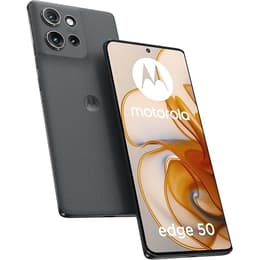
Motorola Edge 50
Motorola Edge 50
See options
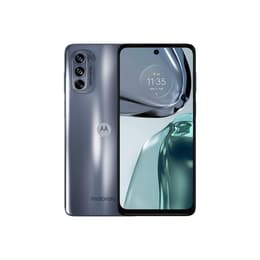
Motorola Moto G62 5G
Starting at

Refurbished price:A$229.00

Versus A$890.00 new

See options

The Motorola Edge 50, released in August 2024, and the Motorola Moto G62 5G, launched in June 2022, are distinct smartphones from Motorola's lineup. While both offer 5G connectivity, the Edge 50 presents a more advanced feature set, including a superior display, a more capable processor, and enhanced camera technology. The Moto G62 5G, on the other hand, focuses on delivering essential smartphone functionalities with a strong battery life. Both devices run on the Android operating system, though with different versions and update policies.

Scores

Durability

When considering the long-term usability of these devices, their release timelines and software support are key factors. The Motorola Edge 50, being a newer device, benefits from a longer expected software support period compared to the Moto G62 5G.

  • Release Timeline: The Motorola Edge 50 was released in August 2024, making it a more recent model, while the Motorola Moto G62 5G was launched in June 2022. This two-year difference in release directly impacts their software longevity.
  • OS Support: The Edge 50 ships with Android 14 and is expected to receive up to two major Android upgrades, extending its software relevance further into the future. The Moto G62 5G launched with Android 12 and was promised one major OS update to Android 13, along with three years of security updates. This means the Edge 50 will likely receive newer Android versions for a longer duration.
  • Durability Features: The Edge 50 boasts an IP68 rating for dust and water protection, along with Corning Gorilla Glass 5 for screen durability and a MIL-810H rating for military-grade resistance to extreme conditions and drops. The Moto G62 5G features a water-repellent design and Panda Glass for screen protection, offering a more basic level of resistance against elements.

Release year

2024

2022

Compatible with latest Update

Yes

No

Operating system

Android

Android

Foldable

No

No

Performance

The performance capabilities of these two Motorola smartphones differ significantly, primarily due to their internal components, impacting how smoothly they handle various applications and multitasking.

  • Processing Power: The Motorola Edge 50 is equipped with a current-generation processor that allows for smooth handling of demanding applications, efficient multitasking, and a responsive user experience. In contrast, the Moto G62 5G features a processor that capably manages everyday tasks like social media, browsing, and video playback, but may show limitations with more intensive applications or graphically demanding games.
  • Multitasking and Responsiveness: The Edge 50 generally offers a more fluid experience when switching between multiple apps and running heavier workloads, supported by its higher RAM configurations. The Moto G62 5G, with its standard RAM options, handles typical multitasking well, though users might notice occasional slowdowns when many applications are open simultaneously.
  • Battery Behavior: Both devices house a 5000mAh battery, providing ample power for a full day of use for many users. The Edge 50 supports 68W wired fast charging and 15W wireless charging, allowing for quicker power replenishment. The Moto G62 5G supports 15W or 20W wired charging, which is slower in comparison, and does not offer wireless charging.

Memory (GB)

12 GB

4 GB

Screen quality

The visual experience on these two Motorola phones presents notable differences, primarily stemming from their display technologies and resolutions.

  • Display Technology and Clarity: The Motorola Edge 50 features a 6.7-inch P-OLED display, which delivers vibrant colors, deep blacks, and excellent contrast, contributing to a rich viewing experience. Its resolution of 1220x2712 pixels (1.5K) provides a sharp and detailed image. The Moto G62 5G utilizes a 6.5-inch IPS LCD panel with a 1080x2400 pixel (FHD+) resolution. While offering good clarity, IPS LCD technology typically does not achieve the same level of contrast or black depth as P-OLED.
  • Brightness and Smoothness: The Edge 50 boasts a peak brightness of 1600 nits, ensuring good visibility even in bright outdoor conditions. Both devices offer a 120Hz refresh rate, which contributes to smoother scrolling and more fluid animations. The Edge 50's adaptive refresh rate can adjust to content, potentially optimizing battery use. The Moto G62 5G has a peak brightness of 600 nits, which is sufficient for most indoor use but may be less visible under direct sunlight.
  • Viewing Experience: The Edge 50's larger, higher-resolution P-OLED display with HDR10+ support provides a more immersive and visually appealing experience for media consumption. The Moto G62 5G's display, while smooth with its 120Hz refresh rate, offers a more standard viewing experience without HDR certification.

Resolution

1220x2712

1080 x 2400

Audiovisual

The camera systems on the Motorola Edge 50 and Moto G62 5G offer different capabilities, with the Edge 50 providing a more versatile and advanced photography and videography experience.

  • Rear Camera Setup: The Motorola Edge 50 features a triple-camera system comprising a 50MP main sensor with optical image stabilization (OIS), a 13MP ultra-wide lens, and a 10MP telephoto lens with 3x optical zoom and OIS. This setup allows for a wider range of photographic styles, including detailed zoomed-in shots. The Moto G62 5G also has a triple-camera array with a 50MP main sensor (with OIS), an 8MP ultra-wide lens, and a 2MP macro lens. The absence of a dedicated telephoto lens means digital zoom is relied upon for distant subjects.
  • Photography Performance: The Edge 50's main camera, with its wider aperture and OIS, is designed to capture detailed photos with good dynamic range, performing well in various lighting conditions, including low light. Its ultra-wide camera also features autofocus, enabling macro shots. The Moto G62 5G's main camera delivers competent everyday photos, but its low-light performance and overall detail may not match the Edge 50.
  • Video Recording and Audio: The Edge 50 supports 4K UHD video recording at 30 frames per second across all its cameras, including the front-facing camera, and incorporates Moto AI enhancements for video stabilization. The Moto G62 5G records video at 1080p at 30 or 60 frames per second. Both phones feature stereo speakers with Dolby Atmos support, providing an enhanced audio experience for media consumption.

Front camera

32 megapixels

16 megapixels

Miscellaneous

Beyond core performance and display, several practical elements differentiate the Motorola Edge 50 and Moto G62 5G, influencing daily usability and overall handling.

  • Connectivity and Ports: Both devices support 5G connectivity, ensuring access to faster mobile networks. The Edge 50 features Bluetooth 5.2, while the Moto G62 5G uses Bluetooth 5.1. Both include NFC for contactless payments and a USB Type-C port for charging and data transfer. A notable difference is the presence of a 3.5mm headphone jack on the Moto G62 5G, which is absent on the Edge 50.
  • Biometrics and Sensors: The Motorola Edge 50 incorporates an optical in-display fingerprint sensor for secure unlocking. The Moto G62 5G features a side-mounted fingerprint sensor. Both devices include standard sensors such as accelerometers, ambient light sensors, gyroscopes, and proximity sensors.
  • Design and Build: The Edge 50 has a thinner profile at 7.8mm and weighs 180g, featuring an aluminum frame and a vegan leather or suede back, contributing to a more premium feel. It also boasts IP68 water and dust resistance and military-grade durability. The Moto G62 5G is slightly thicker at 8.6mm and weighs 184g, with a plastic back and frame, and a water-repellent design.

Weight

180 oz

184 oz

Screen size (in)

6.7

6,5

Network

5G

5G

SIM card

Physical SIM

Dual Physical SIM

Carrier compatibility

Unlocked

Unlocked

Connector

USB-C

USB-C

User feedback and expert reviews indicate that the Motorola Edge 50 is generally praised for its vibrant P-OLED display, capable camera system with optical zoom, and faster charging speeds. Users appreciate its more modern design and robust durability features like IP68 water resistance. However, some discussions suggest that while its processor is competent for daily use, it might not be the top performer for intensive gaming compared to some alternatives in its segment. Battery life is generally considered good, though heavy users might find themselves charging daily.

The Motorola Moto G62 5G is frequently commended for its consistent battery life, often lasting more than a day for many users, and its smooth 120Hz display. Its clean Android experience and the inclusion of a 3.5mm headphone jack are also often highlighted as positive aspects. Criticisms sometimes point to its IPS LCD display not offering the same visual punch as OLED panels, and its camera performance being adequate for casual use but not exceptional, particularly in challenging lighting. Its processor handles everyday tasks well, but it is not designed for high-performance gaming.

Users prioritizing a more premium build, a superior visual experience, advanced camera features including telephoto capabilities, and faster charging will find the Motorola Edge 50 well-suited to their needs. It is also a strong choice for those seeking extended software support and enhanced durability. Conversely, users who value consistent, long-lasting battery life, a smooth display for general use, and the practicality of a headphone jack, while not requiring top-tier performance or an OLED screen, may lean toward the Motorola Moto G62 5G. Both devices offer a reliable Android experience, and considering a quality-assured refurbished option for either model can be an eco-friendly alternative.
See all articles

Our recent comparisons