Compare models
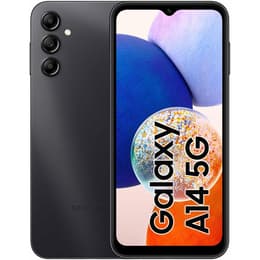
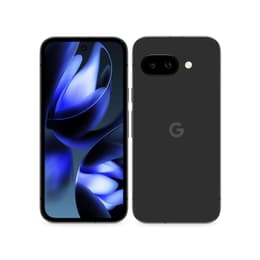
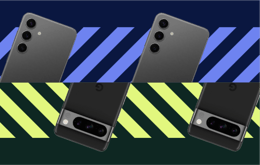
Galaxy A14 vs Google Pixel 9a
- 1-year warranty
- Free standard shipping
- Free 30-day returns
Differences at a glance
The Samsung Galaxy A14 (2023) and the Google Pixel 9a (2025) represent two different approaches to everyday mobile technology, targeting users looking for reliability without unnecessary complexity. While both smartphones handle daily communication and browsing with ease, they differ significantly in their launch timelines, processing power, and overall feature sets. Operating on Android software, both devices offer familiar user interfaces, though the Google Pixel 9a benefits from a more recent software foundation and extended support. Choosing between them depends on whether a user prioritizes fundamental everyday utility or an updated hardware and camera experience.
Available Models
Colour
Storage (GB)
Scores
Durability
When evaluating the practical lifespan of these devices, release timelines and software update commitments play a central role in determining long-term usability.
- Release Timeline and Software Support: The Google Pixel 9a benefits from a much later launch year than the Galaxy A14, providing a significantly extended window of security patches and system updates. Users seeking long-term software relevance will find the Pixel model holds an advantage.
- Repairability and Build Longevity: Both devices feature solid plastic or composite construction designed to withstand daily wear, with standard repair options widely available through certified service channels. Choosing a quality-assured refurbished option from Back Market extends the operational lifecycle of these smartphones while supporting sustainable resource use.
- Practical Lifespan: The Pixel 9a's advanced internal hardware ensures it will remain responsive to heavier system updates over time, whereas the Galaxy A14 is best suited for straightforward, long-term light usage.
Release year
2023
2025
Operating system
Android
Android
Foldable
No
No
Performance
Daily responsiveness and multitasking capabilities vary due to the generation gap in their internal components and memory configurations.
- Processing Power and Multitasking: The Google Pixel 9a handles demanding applications, graphics-heavy games, and swift app switching smoothly thanks to its current-generation processor. The Galaxy A14 manages routine messaging, web browsing, and social media adequately, though intensive tasks may experience minor loading pauses.
- Storage and Memory: The Pixel 9a typically offers higher baseline random access memory, allowing more applications to run concurrently in the background without refreshing. Storage expansion varies, with the Galaxy A14 offering a dedicated memory card slot for media storage.
- Battery Behavior: Both devices are equipped to last through a full day of moderate use, though heavier tasks draw down the Pixel's battery faster while delivering quicker overall processing speeds in return.
Screen quality
Display technology creates distinct viewing experiences, particularly regarding outdoor visibility, color reproduction, and motion smoothness.
- Display Technology: The Pixel 9a features a vibrant organic light-emitting diode panel offering deep contrast ratios and vivid colors. The Galaxy A14 utilizes a standard liquid crystal display that provides clear text and functional brightness for everyday indoor viewing.
- Outdoor Visibility and Brightness: Peak brightness levels on the Pixel 9a allow for comfortable reading under direct sunlight, whereas the Galaxy A14 requires more shielding in bright outdoor environments.
- Refresh Rate and Smoothness: Scrolling through menus and web pages appears visibly smoother on the Pixel 9a due to an elevated refresh rate, while the Galaxy A14 adheres to a standard 60-hertz refresh rate.
Resolution
1080 x 2408
1080x2424
Screen type
PLS LCD
P-OLED
Audiovisual
Media consumption and photography capabilities differ noticeably, reflecting the distinct engineering priorities of each manufacturer.
- Camera System Capabilities: The Google Pixel 9a utilizes advanced computational photography algorithms to deliver sharp, balanced photos in challenging lighting conditions. The Galaxy A14 captures clear images in well-lit environments using its multi-lens setup, though low-light details appear less defined.
- Video Recording Quality: Video capture on the Pixel 9a benefits from stabilization features that reduce hand shake during recording, while the Galaxy A14 handles standard definition video tasks reliably for casual sharing.
- Audio and Speaker Output: Media consumption on the Pixel 9a is enhanced by balanced stereo speakers, whereas the Galaxy A14 relies on a single loudspeaker setup suitable for ringtones and casual voice calls.
Miscellaneous
Physical design choices, biometric security sensors, and connectivity standards dictate how each device integrates into daily routines.
- Connectivity and Ports: Both smartphones support modern wireless standards, with the Pixel 9a incorporating faster mobile data capabilities and updated short-range wireless protocols. Both utilize a reversible universal serial bus port for charging and data transfer.
- Security Sensors: Biometric authentication differs, with the Pixel 9a offering modern facial recognition alongside an integrated screen sensor, while the Galaxy A14 utilizes a side-mounted fingerprint scanner embedded in the power button.
- Dimensions and Handling: Ergonomics are comparable, though slight differences in weight and bezel width affect how each device rests in the hand or pocket during travel.
Weight
201 oz
186 oz
Screen size (in)
6.6
6.3
Network
4G
5G
SIM card
Physical SIM
Physical SIM + eSIM
Carrier compatibility
Unlocked
Unlocked
What the community thinks
Community discussions and user feedback indicate that both smartphones serve distinct audiences effectively. Users frequently praise the Galaxy A14 for its straightforward reliability and accessible design, making it a frequent choice for those who need a dependable communication tool without complex features. Conversely, users highlight the Google Pixel 9a for its responsive system performance, bright display quality, and dependable photography capabilities, though some note that its higher processing capability comes with a steeper learning curve for advanced settings.
Users prioritizing extended software support, vibrant display technology, and reliable photo capture will find the Google Pixel 9a well-suited to their daily routines. Meanwhile, users prioritizing simple everyday communication, expandable media storage, and a straightforward interface may lean toward the Samsung Galaxy A14. Choosing a sustainable, quality-assured refurbished option allows consumers to access either device while participating in an eco-friendly alternative to purchasing newly manufactured electronics.