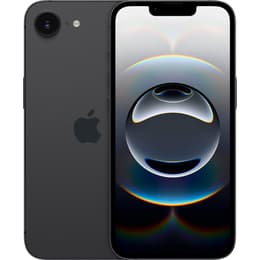
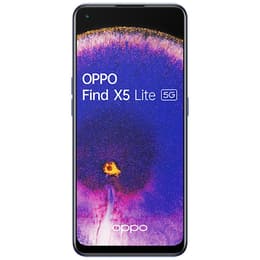

iPhone 16e vs Oppo Find X5

iPhone 16e
iPhone 16e
Starting at

Refurbished price:A$838.00

Versus A$999.00 new

See options
Oppo Find X5
Oppo Find X5
See options

Ratings

The iPhone 16E, released in February 2025, and the Oppo Find X5, launched in March 2022, represent distinct approaches to smartphone design and functionality. While the iPhone 16E operates on Apple's iOS ecosystem, the Oppo Find X5 runs on Android with Oppo's ColorOS overlay. The primary differences between these two devices lie in their camera systems, display refresh rates, and overall software longevity.

Scores

Durability

The expected lifespan of a smartphone is influenced by its release date, software support, and physical durability features.

  • Release Timeline: The iPhone 16E, being a 2025 release, benefits from a more recent launch, suggesting a longer period of official software updates and security patches from Apple. The Oppo Find X5, released in 2022, has already received several major Android updates and will likely see fewer future OS upgrades compared to the newer iPhone model.
  • Software Longevity: Apple typically provides iOS updates for 5-6 years or more for its devices, meaning the iPhone 16E is expected to receive support well into the future. The Oppo Find X5, while offering a capable Android experience, will have a shorter remaining window for major OS updates, though security updates may continue for some time.
  • Physical Durability: The iPhone 16E features a Ceramic Shield front cover and an IP68 rating for water and dust resistance, indicating a high level of protection against environmental elements. The Oppo Find X5 is protected by Corning Gorilla Glass Victus on the front and has an IP54 rating, offering protection against limited dust ingress and water spray.

Release year

2025

2022

Operating system

iOS

Android

Foldable

No

No

Performance

Performance in smartphones is determined by the processing unit, memory, and how efficiently the software utilizes these components for daily tasks and demanding applications.

  • Everyday Responsiveness: The iPhone 16E is equipped with a current-generation processor, enabling smooth navigation, rapid app launches, and efficient multitasking. Users can expect a fluid experience even with resource-intensive applications and games. The Oppo Find X5, powered by a capable processor from its release year, handles everyday tasks and most applications with ease, providing a responsive user experience.
  • Multitasking and Gaming: With 8GB of RAM, the iPhone 16E is well-suited for managing multiple applications simultaneously and running modern games without significant slowdowns. The Oppo Find X5 offers configurations with 8GB or 12GB of RAM, allowing for robust multitasking and a smooth gaming experience, particularly for titles available at its release.
  • Storage Options: The iPhone 16E is available with 128GB, 256GB, or 512GB of internal storage, providing ample space for apps, photos, and videos. The Oppo Find X5 comes with 128GB or 256GB storage options, which are non-expandable.

Memory (GB)

8 GB

8 GB

Screen quality

The display is a primary interface for smartphone interaction, with technology, resolution, and refresh rate significantly impacting the visual experience.

  • Display Technology and Clarity: The iPhone 16E features a 6.1-inch Super Retina XDR OLED display, offering deep blacks, vibrant colors, and a resolution of 2532 x 1170 pixels, resulting in sharp and clear visuals. The Oppo Find X5 has a larger 6.55-inch AMOLED display with a resolution of 2400 x 1080 pixels, also providing rich colors and good clarity.
  • Brightness and Outdoor Visibility: Both devices offer good brightness levels. The iPhone 16E reaches 800 nits typical brightness and up to 1200 nits peak brightness for HDR content, ensuring good visibility in various lighting conditions. The Oppo Find X5 can achieve a maximum brightness of 1000 nits, which contributes to clear viewing even in brighter environments.
  • Smoothness and Responsiveness: The Oppo Find X5 features a 120Hz refresh rate, which provides a noticeably smoother scrolling experience and more fluid animations compared to the iPhone 16E's standard refresh rate.

Resolution

2532x1170

1080 x 2400

Audiovisual

Camera capabilities are a key consideration for many users, encompassing lens configurations, image processing, and video recording features.

  • Rear Camera System: The iPhone 16E is equipped with a single 48MP Fusion main camera that offers optical image stabilization and a 2x optical-quality zoom by cropping the high-resolution sensor. The Oppo Find X5 features a more versatile triple camera setup, including a 50MP wide, a 50MP ultrawide, and a 13MP telephoto lens with 2x optical zoom, enhanced by Hasselblad Color Calibration and a dedicated imaging NPU for improved processing.
  • Photography Performance: The iPhone 16E supports features like Photonic Engine, Deep Fusion, Smart HDR 5, and Night Mode for various shooting conditions, though its Portrait mode is primarily optimized for human faces. The Oppo Find X5's camera system is noted for its ability to capture natural colors and perform well in low-light conditions, particularly with its 4K Ultra Night Video feature.
  • Video Recording and Front Camera: Both devices are capable of recording 4K video. The iPhone 16E's 12MP front camera includes autofocus and supports 4K video recording. The Oppo Find X5 has a 32MP front camera and offers advanced video features like Ultra HDR Video.

Front camera

TrueDepth 12MP

32 megapixels

Miscellaneous

Beyond core features, several practical elements contribute to the overall user experience, including connectivity, physical design, and additional functionalities.

  • Connectivity and Ports: Both smartphones support 5G connectivity for fast mobile data. The iPhone 16E features a USB-C port for charging and data transfer. The Oppo Find X5 also uses a USB-C port and supports Wi-Fi and Bluetooth standards.
  • Physical Design and Handling: The iPhone 16E has a 6.1-inch display and an aluminum frame, contributing to a manageable size and feel. The Oppo Find X5, with its 6.55-inch display and aluminum frame, is slightly larger and features a glass back.
  • Unique Features: The iPhone 16E includes an Action Button for customizable shortcuts and integrates Apple Intelligence for enhanced smart features. The Oppo Find X5 stands out with its 80W SUPERVOOC Flash Charging, allowing for very rapid battery replenishment. Notably, the iPhone 16E does not support MagSafe accessories.

Weight

167 oz

196 oz

Screen size (in)

6.1

6.55

Network

5G

5G

SIM card

Physical SIM + eSIM

Dual Physical SIM

Carrier compatibility

Unlocked

Unlocked

Choosing between the iPhone 16E and the Oppo Find X5 involves weighing the benefits of a newer, long-supported ecosystem against a feature-rich Android experience with a more versatile camera and faster charging.

Users who prioritize long-term software support, a highly integrated ecosystem, and robust durability with an IP68 rating will find the iPhone 16E to be a compelling option. Its consistent performance and access to Apple Intelligence features make it suitable for those seeking a reliable and future-ready device within the Apple ecosystem. However, those who value a higher display refresh rate for smoother visuals, a more comprehensive multi-lens camera system for diverse photography, and exceptionally fast wired charging might lean towards the Oppo Find X5. Its Android operating system also offers greater customization flexibility.

Common praise for the iPhone 16E often highlights its excellent battery life for a 6.1-inch device and its strong overall performance for daily use. Some users have noted the absence of MagSafe as a minor drawback. The Oppo Find X5 is frequently lauded for its impressive camera capabilities, particularly in low light, and its rapid charging speed. Criticisms sometimes point to its older software version compared to newer Android flagships. Both devices, whether new or as quality-assured refurbished options, offer distinct advantages depending on individual user needs and preferences.
See all articles

Our recent comparisons