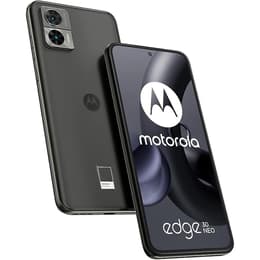

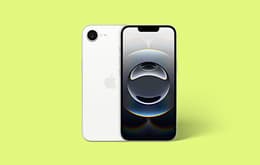
iPhone 16e vs Motorola Edge 30 Neo

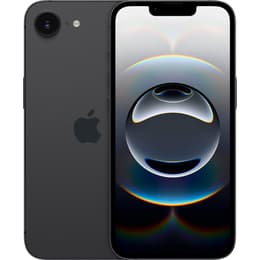
iPhone 16e
iPhone 16e
Starting at

Refurbished price:A$838.00

Versus A$999.00 new

See options
Motorola Edge 30 Neo
Starting at

Refurbished price:A$306.00

Versus A$414.00 new

See options

Ratings

The iPhone 16E, released in February 2025, and the Motorola Edge 30 Neo, launched in September 2022, represent different approaches to smartphone design and functionality. While the iPhone 16E integrates Apple's latest software and hardware advancements, the Motorola Edge 30 Neo focuses on delivering a balanced experience with a strong emphasis on display quality and fast charging. These devices cater to users with distinct preferences, primarily differing in their operating systems and release timelines.

Scores

Durability

The longevity of a smartphone is influenced by its release date, software support, and physical resilience. The iPhone 16E, being a more recent device, benefits from a longer expected period of software updates and security patches compared to the Motorola Edge 30 Neo.

  • Release Timeline: The iPhone 16E was introduced in February 2025, making it a current-generation device with a fresh start for software support. The Motorola Edge 30 Neo, released in September 2022, is an older model, which impacts its remaining software update window.
  • Software Longevity: Apple typically provides extensive iOS support for its devices, meaning the iPhone 16E is expected to receive updates for several years, including new iOS versions and security patches. The Motorola Edge 30 Neo launched with Android 12 and is generally expected to receive two years of OS updates and three years of security updates, with some users reporting updates to Android 14.
  • Physical Durability: The iPhone 16E features Ceramic Shield protection on its display and boasts an IP68 rating for dust and water resistance, indicating a high level of protection against environmental elements. The Motorola Edge 30 Neo offers IP52 water protection, guarding against splashes and light dust.

Release year

2025

2022

Operating system

iOS

Android

Foldable

No

No

Performance

Performance is a key differentiator, with the newer iPhone 16E offering a more advanced processing unit designed for demanding tasks and future software. The Motorola Edge 30 Neo provides capable performance for everyday use within its segment.

  • Processing Power: The iPhone 16E is equipped with the Apple A18 chip, featuring a 6-core CPU and a 4-core GPU, along with a 16-core Neural Engine, which enables smooth operation for complex applications and AI-driven features. The Motorola Edge 30 Neo utilizes the Qualcomm Snapdragon 695 5G processor, which handles daily tasks and web browsing efficiently, though it is not designed for the most graphically intensive gaming or heavy multitasking.
  • System Responsiveness: Users of the iPhone 16E can expect highly responsive performance across the operating system and applications, supported by 8GB of RAM. The Motorola Edge 30 Neo, available with 6GB or 8GB of RAM, offers a generally fluid experience for typical smartphone activities, with some users noting occasional minimal lag during heavy CPU loads like app installations.
  • Battery Behavior: The iPhone 16E houses a 4005 mAh battery, capable of providing up to 26 hours of video playback, suggesting robust endurance for extended use. The Motorola Edge 30 Neo features a 4020 mAh battery, which typically lasts a full day with moderate use and supports 68W fast charging, allowing for rapid recharges.

Memory (GB)

8 GB

8 GB

Screen quality

Both devices offer vibrant OLED displays, but they differ in resolution, refresh rate, and peak brightness, impacting the visual experience in various scenarios.

  • Display Technology and Clarity: The iPhone 16E features a 6.1-inch Super Retina XDR OLED display with a resolution of 2532x1170 pixels, resulting in a sharp 460 pixels per inch (ppi). The Motorola Edge 30 Neo has a slightly larger 6.28-inch pOLED display with a resolution of 2400 x 1080 pixels, offering clear visuals for media consumption.
  • Brightness and Outdoor Visibility: The iPhone 16E's display can reach a typical maximum brightness of 800 nits and a peak HDR brightness of 1200 nits, with an impressive 2000 nits peak outdoor brightness for excellent visibility in bright conditions. The Motorola Edge 30 Neo's display can achieve up to 1190 cd/m² (nits) with the ambient light sensor enabled, providing good brightness for outdoor use.
  • Refresh Rate and Smoothness: The iPhone 16E maintains a standard 60Hz refresh rate, which provides a consistent visual experience. In contrast, the Motorola Edge 30 Neo offers a smoother visual experience with a 120Hz refresh rate, which can make scrolling and animations appear more fluid.

Resolution

2532x1170

1080 x 2400

Audiovisual

The camera systems on these phones offer different capabilities, with the iPhone 16E focusing on high-resolution imaging and the Motorola Edge 30 Neo providing a versatile dual-camera setup.

  • Rear Camera System: The iPhone 16E is equipped with a single 48MP main rear camera that includes optical image stabilization (OIS) and can capture super-high-resolution photos, also enabling a 12MP 2x telephoto option. The Motorola Edge 30 Neo features a dual-camera system with a 64MP main sensor (with OIS and pixel binning for improved low-light performance) and a 13MP ultrawide lens that also functions for macro shots.
  • Photography Performance: The iPhone 16E's advanced camera system is designed for detailed and stable photos across various lighting conditions. The Motorola Edge 30 Neo's main camera performs well in good lighting, producing detailed images with accurate colors, though low-light performance is noted as less impressive.
  • Video Recording and Front Camera: The iPhone 16E supports advanced video recording capabilities and features a 12MP selfie camera with autofocus. The Motorola Edge 30 Neo records video at a maximum of 1080p and includes a 32MP selfie camera that takes decent photos, including those with portrait mode.

Front camera

TrueDepth 12MP

32 megapixels

Miscellaneous

Beyond core specifications, practical elements like connectivity, ports, and physical design contribute to the overall user experience.

  • Connectivity and Ports: The iPhone 16E supports 5G connectivity, Wi-Fi 6, Bluetooth 5.3, and features a USB-C port. The Motorola Edge 30 Neo also supports 5G but uses Wi-Fi 5 and Bluetooth 5.1, with a USB-C port for charging and data transfer.
  • Biometric Security and Features: The iPhone 16E relies on Face ID for secure authentication and includes an Action button for customizable shortcuts. The Motorola Edge 30 Neo incorporates an in-display fingerprint sensor for unlocking and security.
  • Design and Handling: The iPhone 16E has an aluminum frame with a glass back and Ceramic Shield front, weighing 167 grams. The Motorola Edge 30 Neo is notably lightweight at 155 grams and features a plastic back, contributing to a comfortable and compact feel. Both devices have stereo speakers, with the Motorola Edge 30 Neo featuring Dolby Atmos certification.

Weight

167 oz

155 oz

Screen size (in)

6.1

6.28

Network

5G

5G

SIM card

Physical SIM + eSIM

Dual Physical SIM

Carrier compatibility

Unlocked

Unlocked

The iPhone 16E and Motorola Edge 30 Neo cater to different user priorities, largely due to their release dates and ecosystem differences. Users often praise the iPhone 16E for its integration with the Apple ecosystem, powerful processing capabilities, and extended software support, making it a strong choice for those seeking long-term performance and access to the latest iOS features and Apple Intelligence. Its robust camera system and durable build are also frequently highlighted as positive attributes.

Conversely, the Motorola Edge 30 Neo is often commended by users for its vibrant 120Hz pOLED display, compact and lightweight design, and exceptionally fast 68W charging capabilities. While its performance is considered sufficient for everyday tasks, some users note that its camera performance in low light and its shorter software update commitment are areas where it differs from newer devices.

Users prioritizing a device with the latest software innovations, a highly integrated ecosystem, and a longer lifespan for updates may find the iPhone 16E more aligned with their needs. Those who value a smooth, high-refresh-rate display, rapid charging, and a compact form factor for daily use, and are comfortable with a shorter software support window, might lean towards the Motorola Edge 30 Neo. Both devices offer distinct advantages, and choosing between them depends on individual preferences for operating system, performance demands, and feature priorities. Exploring quality-assured refurbished options for either model can provide an eco-friendly alternative for consumers.

See all articles

Our recent comparisons