
Compare models

iPhone 16e vs iPhone 17 Pro

  • 1-year warranty
  • Free standard shipping
  • Free 30-day returns
iPhone 16e
Starting at

Refurbished price:A$660.00

Versus A$999.00 new

See options
iPhone 17 Pro
Starting at

Refurbished price:A$1,620.00

Versus A$1,999.00 new

See options

Differences at a glance

The iPhone 16e (2025) and iPhone 17 Pro (2025) are smartphones that cater to different preferences within Apple's mobile ecosystem. While both run on iOS and support modern software functions, they diverge significantly in hardware sophistication, design philosophy, and intended user capability.

Choosing between these two models involves weighing stream-lined everyday utility against advanced imaging and sustained high-load performance.

Available Models

Colour

Storage

Scores

Durability

Both devices benefit from long-term software support and solid build engineering, though their release schedules and hardware tiers influence their overall longevity.

    Software Longevity: Both handsets receive multi-year operating system upgrades, with the newer release benefiting from an extended timeline for future feature compatibility.
    Build Durability: The iPhone 17 Pro incorporates advanced exterior shielding protections on both front and back surfaces, whereas the iPhone 16e utilizes standard front glass protection paired with an aluminum frame.
    Repairability: Both models maintain standard component modularity supported by Apple's official repair infrastructure, ensuring predictable maintenance cycles over their active lifespan.

Release year

2025

2025

Operating system

iOS

iOS

Foldable

No

No

Performance

Underneath the exterior, these devices handle processing tasks differently, ranging from routine daily navigation to intensive graphics rendering and multitasking.

    Everyday Responsiveness: Both smartphones launch apps swiftly and manage routine communication tasks effortlessly, though the iPhone 17 Pro includes additional system memory to keep complex background tasks active without reloading.
    Sustained Workloads: The iPhone 17 Pro features a thermal management architecture designed to prevent slowdowns during extended gaming sessions or video exports, while the iPhone 16e handles standard multi-app usage reliably without specialized cooling.
    Battery Behavior: Battery endurance varies based on daily habits, with the larger cell and efficiency layout of the iPhone 17 Pro supporting extended usage under demanding conditions compared to the modest battery profile of the iPhone 16e.

Screen quality

Visual output differs notably across both screens, affecting outdoor visibility, scrolling smoothness, and media immersion.

    Display Technology: Both models utilize OLED panels that deliver deep black levels and sharp contrast, but the iPhone 17 Pro incorporates adaptive refresh rate technology for smoother scrolling and motion rendering.
    Brightness Levels: The iPhone 17 Pro achieves higher peak luminance capabilities for comfortable outdoor readability under direct sunlight, while the iPhone 16e remains legible during standard daylight use.
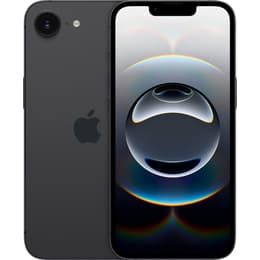
    Panel Dimensions: The iPhone 16e offers a compact 6.1-inch viewing area with a traditional notch cutout, whereas the iPhone 17 Pro provides a slightly larger 6.3-inch canvas utilizing a pill-shaped interactive cutout.

Audiovisual

Capture capabilities and media playback hardware set these two options apart for photography enthusiasts and casual content creators alike.

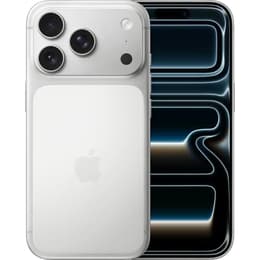
    Lens Configuration: The iPhone 16e relies on a single high-resolution rear camera paired with digital zoom options, while the iPhone 17 Pro equips a versatile triple-lens array including ultra-wide and optical telephoto capabilities.
    Video Recording: The iPhone 17 Pro supports professional-grade recording formats and advanced stabilization tools for cinematic production, whereas the iPhone 16e handles standard high-definition video capture for casual sharing.
    Audio Output: Stereo speaker systems on both devices deliver clear sound for hands-free calls and media consumption, with the iPhone 17 Pro offering a wider soundstage and deeper bass response.

Front camera

TrueDepth 12MP

18 megapixels

Miscellaneous

Physical dimensions, connectivity standards, and daily handling characteristics complete the hardware profile of each device.

    Physical Handling: The iPhone 16e is lighter and features a traditional profile, whereas the iPhone 17 Pro is slightly heavier due to its robust internal cooling layout and multi-lens camera module.
    Connectivity: Both models support modern fifth-generation cellular networks, Wi-Fi standards, and universal USB-C charging ports for seamless accessory integration.
    Authentication: Both devices utilize secure facial recognition technology for device unlocking and secure payment authorization, omitting physical home buttons.

Weight

167 oz

206 oz

Screen size (in)

6.1

6.3

Network

5G

5G

SIM card

Physical SIM + eSIM

Physical SIM + eSIM

Carrier compatibility

Unlocked

Unlocked

Connector

USB-C

USB-C

What the community thinks

User feedback on community forums highlights distinct preferences for each smartphone. Owners of the iPhone 16e frequently praise its straightforward operation, reliable daily battery execution, and familiar form factor. Conversely, users of the iPhone 17 Pro emphasize appreciation for its fluid screen responsiveness, versatile multi-lens camera array, and robust thermal management during heavy workloads. Common criticisms for the iPhone 16e center on its limited zoom flexibility and standard refresh rate, while discussions around the iPhone 17 Pro often note its heavier physical footprint in hand.

Users prioritizing lightweight handling, straightforward communication tools, and essential smartphone functions will find the iPhone 16e well-suited to their needs. Meanwhile, users prioritizing advanced photographic flexibility, high-refresh display fluidity, and sustained processing power will lean toward the iPhone 17 Pro. For buyers exploring sustainable purchasing habits, choosing a quality-assured refurbished option through platforms like Back Market provides an eco-friendly alternative that extends device life cycles without compromising performance standards.