iPhone 16 vs Motorola Edge 50

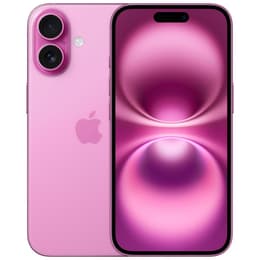
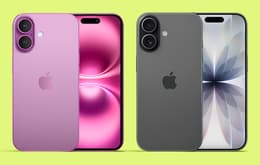
iPhone 16
iPhone 16
Starting at

Refurbished price:A$946.00

Versus A$1,399.00 new

See options
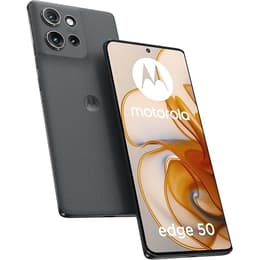
Motorola Edge 50
Motorola Edge 50
See options

The iPhone 16, expected to be released in late 2024, and the Motorola Edge 50, launched in August 2024, represent distinct approaches to the modern smartphone. While the iPhone 16 operates on Apple's iOS ecosystem with its proprietary hardware, the Motorola Edge 50 runs on Android, offering a different user experience. Key differentiators include their operating systems, processor architectures, and camera philosophies, catering to varied user preferences.

Scores

Durability

When considering the long-term usability of a smartphone, software support and physical resilience are crucial factors.

  • Software Longevity: Apple typically provides extensive software support for its devices, with the iPhone 16 expected to receive major iOS updates for approximately five to six years from its release. This generally translates to a longer period of access to the latest features and security patches. The Motorola Edge 50, launched with Android 14, is part of Motorola's improving update policy. While some Motorola models, like the Edge 50 Neo, have been promised five years of OS updates and security patches, the standard Edge 50 is generally expected to receive at least three major Android OS updates, extending its functional life for several years.
  • Physical Durability: The iPhone 16 is anticipated to feature an upgraded Ceramic Shield front cover, designed to be more resistant to drops and scratches than previous generations. The Motorola Edge 50 boasts an IP68 rating for dust and water resistance, meaning it can withstand immersion in water, and is also MIL-STD 810H certified, indicating military-grade durability against environmental conditions like shocks and extreme temperatures.
  • Repairability: Apple has made strides in making iPhone 16 batteries easier to remove, potentially simplifying battery replacements. Information on the Motorola Edge 50's repairability is less prominent, but its construction with an aluminum frame and vegan leather back suggests a robust build.

Release year

2024

2024

Compatible with latest Update

Yes

Yes

Foldable

No

No

Performance

The performance of a smartphone is largely dictated by its internal processing power and how efficiently it manages tasks and power consumption.

  • Processing Power: The iPhone 16 is expected to house Apple's A18 chip, built on an advanced 3-nanometer process. This processor is designed for enhanced efficiency and speed, particularly in handling demanding applications and Apple Intelligence features. The Motorola Edge 50 is powered by the Qualcomm Snapdragon 7 Gen 1 AE processor, an octa-core chip designed for capable mid-range performance.
  • Everyday Responsiveness: Users of the iPhone 16 can anticipate smooth multitasking, rapid app launches, and fluid navigation, benefiting from the A18 chip's architecture and an expected minimum of 8GB of RAM. The Motorola Edge 50 offers a generally smooth and lag-free software experience for typical daily use, though some users have noted that its processor might not be the most powerful for intensive gaming or heavy multitasking, occasionally leading to heating during extended use.
  • Battery Behavior: The iPhone 16 is expected to offer improved battery life compared to its predecessor, with a larger battery capacity and efficiency gains from the A18 chip, potentially providing up to 22 hours of video playback. The Motorola Edge 50 features a substantial 5000 mAh battery, which generally provides a full day of use for most users, and can extend to 1.5 days for lighter usage. However, heavy gaming can significantly impact its battery duration.

Memory (GB)

8 GB

12 GB

Screen quality

The visual experience on a smartphone is heavily influenced by its display technology, resolution, and responsiveness.

  • Display Technology and Clarity: The iPhone 16 is expected to feature a high-quality OLED display, known for its deep blacks and vibrant color reproduction. The Motorola Edge 50 sports a 6.7-inch pOLED display with a resolution of 1220 x 2712 pixels, offering sharp visuals and rich colors.
  • Brightness and Refresh Rate: The Motorola Edge 50's display offers a 120Hz refresh rate, contributing to smoother scrolling and more fluid animations, and can reach a peak brightness of 1600 nits, ensuring good visibility even in bright outdoor conditions. The standard iPhone 16 models are not expected to include the 120Hz ProMotion technology, meaning they will likely operate at a standard 60Hz refresh rate, though they will offer excellent brightness for outdoor use.
  • Viewing Experience: Both devices provide an immersive viewing experience, with the Motorola Edge 50 featuring a curved display and slim bezels. The iPhone 16 is also rumored to have slimmer bezels, enhancing its screen-to-body ratio.

Resolution

1179 x 2556

1220x2712

Audiovisual

Camera capabilities are a significant consideration for many users, encompassing both still photography and video recording.

  • Rear Camera Systems: The iPhone 16 is expected to feature a dual-lens rear camera system, with Apple's renowned computational photography enhancing image quality. Rumors suggest the Pro models might receive a 48MP Ultra Wide camera and improved telephoto capabilities. The Motorola Edge 50 comes with a versatile triple-camera setup, including a 50MP main sensor with optical image stabilization (OIS), a 13MP ultra-wide lens, and a 10MP telephoto lens offering 3x optical zoom.
  • Photography Performance: The Motorola Edge 50's main camera is capable of capturing detailed and vibrant images, performing well in various lighting conditions, including decent low-light performance. The telephoto lens also delivers good results. Some users have noted occasional issues with slow processing, oversaturated indoor colors, and a softer wide-angle camera. Apple's iPhone cameras are consistently praised for their natural color reproduction, dynamic range, and reliable performance across different scenarios.
  • Video Recording and Audio: Both devices are expected to offer high-quality video recording. The Motorola Edge 50 supports 4K video recording at 30 frames per second across all its cameras, including the front-facing one. The iPhone 16 will likely continue Apple's strong tradition in video capture, with potential enhancements for spatial video recording on standard models. The Motorola Edge 50 features Dolby Atmos-backed stereo speakers, providing a rich audio experience for media consumption.

Front camera

12 megapixels

32 megapixels

Miscellaneous

Beyond the core features, several practical elements contribute to the overall user experience and device utility.

  • Connectivity and Ports: The iPhone 16 is expected to feature a USB-C port, aligning with modern connectivity standards. It is also rumored to support Wi-Fi 7 and an advanced 5G modem. The Motorola Edge 50 includes a USB Type-C 2.0 port, 5G connectivity, Wi-Fi 6E, and Bluetooth 5.2. Neither device is expected to include a 3.5mm headphone jack.
  • Biometrics and User Interface: The iPhone 16 will continue to rely on Face ID for secure authentication. It is also expected to incorporate an Action Button and a new Capture Button for quick access to specific functions. The Motorola Edge 50 features an in-display optical fingerprint sensor for biometric security and runs on Android 14 with Motorola's Hello UI, which is known for its near-stock Android experience.
  • Design and Handling: The Motorola Edge 50 is notably thin and light, measuring 7.8mm in thickness and weighing around 180 grams, contributing to comfortable handling. It features an aluminum frame and a vegan leather or eco-leather back, offering a distinct tactile feel. The iPhone 16 is expected to maintain a premium build with its Ceramic Shield front and refined design.

Weight

170 oz

180 oz

Screen size (in)

6.1

6.7

Network

5G

5G

SIM card

Physical SIM + eSIM

Physical SIM

Carrier compatibility

Unlocked

Unlocked

Connector

USB-C (USB 2)

USB-C

The iPhone 16 and Motorola Edge 50 cater to different segments of the smartphone market, each with its own strengths and user appeal. User feedback for the Motorola Edge 50 often praises its premium design, including the vegan leather back and military-grade durability, as well as its vibrant pOLED display and capable camera system for everyday photography. Criticisms sometimes point to its processor not being the most powerful for intensive tasks and occasional inconsistencies in camera processing or video stabilization.

For the iPhone 16, common praise points are expected to revolve around its powerful A18 chip, seamless iOS experience, and consistent camera performance, along with anticipated improvements in battery life and new AI capabilities. Potential concerns might include the absence of a high refresh rate display on standard models and the continued reliance on a closed ecosystem for some users.

Users prioritizing a long-term software commitment, a highly optimized ecosystem, and top-tier processing power for demanding applications and AI features may find the iPhone 16 better suited to their needs. Conversely, individuals who value a customizable Android experience, a robust and distinctive physical design with military-grade durability, a high refresh rate display, and faster wired charging might lean towards the Motorola Edge 50. Both devices offer compelling features, and choosing between them often comes down to personal preference for operating system, specific performance priorities, and design aesthetics. For those seeking an eco-friendly alternative, quality-assured refurbished options for both models can provide a sustainable choice.

See all articles

Our recent comparisons