
Compare models

Galaxy A56 vs iPhone SE (2022)

  • 1-year warranty
  • Free standard shipping
  • Free 30-day returns
Galaxy A56
Starting at

Refurbished price:A$384.00

Versus A$699.00 new

See options
iPhone SE (2022)
Starting at

Refurbished price:A$199.00

Versus A$719.00 new

See options

Differences at a glance

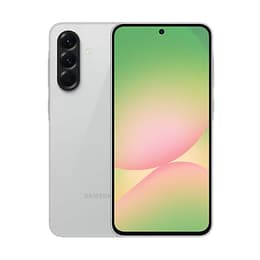
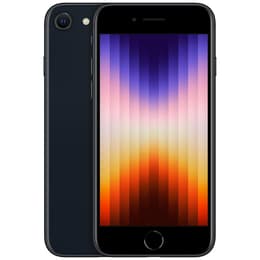
The Samsung Galaxy A56 (2025) and the Apple iPhone SE (2022) represent two distinct approaches to everyday mobile technology, balancing modern mid-range hardware with different operating system ecosystems. While the Galaxy A56 offers a contemporary design and an expansive viewing area running on Android, the iPhone SE (2022) utilizes a compact, traditional form factor powered by Apple's iOS platform. These models cater to users looking for streamlined functionality without the complexity or scale of top-tier flagship releases.

Available Models

Colour

Storage (GB)

Scores

Durability

When evaluating structural longevity and software support, both devices handle multi-year ownership differently based on their release timelines and manufacturer commitments.

  • Software support timelines: The Galaxy A56 benefits from an extended software update commitment spanning several years, whereas the iPhone SE (2022) follows Apple's traditional multi-year update cycle from its earlier release window.
  • Expected practical lifespan: The Galaxy A56 provides extended security patching well into the future, while the iPhone SE (2022) relies on a mature software architecture that continues to receive functional system updates.
  • Repairability and build: Both manufacturers provide established service networks, with sturdy chassis designs that withstand daily wear when protected by standard cases.

Release year

2025

2022

Operating system

Android

iOS

Foldable

No

No

Performance

System responsiveness and everyday handling vary between the two models due to differences in processor architecture, memory allocation, and operating system optimization.

  • Multitasking and app switching: The Galaxy A56 handles multiple background tasks smoothly with its generous random access memory, while the iPhone SE (2022) relies on tight software integration to maintain steady performance under standard loads.
  • Storage configurations: Both devices offer tiered internal storage capacities starting at baseline levels, though neither model supports physical storage expansion via memory cards.
  • Battery behavior: The Galaxy A56 includes a high-capacity battery designed to easily clear a full day of mixed use, whereas the iPhone SE (2022) features a smaller power cell that typically requires a midday recharge for intensive users.

Screen quality

Display characteristics differ significantly, influencing media consumption, readability, and overall visual comfort during routine tasks.

  • Display technology: The Galaxy A56 features an expansive Super AMOLED screen with deep contrast and vibrant color reproduction, while the iPhone SE (2022) uses a smaller liquid crystal display with traditional bezels.
  • Refresh rate and smoothness: The Galaxy A56 supports a fast 120 Hz refresh rate for fluid scrolling, compared to the standard 60 Hz refresh rate found on the iPhone SE (2022).
  • Outdoor visibility: High peak brightness levels on the Galaxy A56 assist with readability under direct sunlight, while the iPhone SE (2022) provides adequate brightness for standard indoor and moderate outdoor conditions.

Resolution

1080x2340

750 x 1334

Audiovisual

Optics and media playback capabilities cater to casual photography and daily communication through distinct hardware configurations.

  • Rear camera systems: The Galaxy A56 incorporates a flexible triple-lens array including an ultra-wide option, whereas the iPhone SE (2022) utilizes a single rear lens backed by advanced computational photography algorithms.
  • Video recording: Both smartphones deliver stable high-definition video capture with clear audio recording suited for everyday memories and video calls.
  • Media and audio output: Stereo speaker setups on both devices provide clear sound output for casual video viewing and speakerphone calls.

Miscellaneous

Practical daily features, physical dimensions, and connectivity options shape how each device fits into routine travel and work habits.

  • Physical dimensions and weight: The iPhone SE (2022) offers a lightweight, highly compact footprint suitable for single-handed use, while the Galaxy A56 presents a larger physical frame with a more expansive workspace.
  • Biometric security: The Galaxy A56 uses an optical in-display fingerprint reader and facial recognition, whereas the iPhone SE (2022) retains the physical Home button housing a Touch ID sensor.
  • Connectivity standards: Both models support current 5G cellular networks, local wireless standards, and near-field communication for digital payments.

Weight

198 oz

144 oz

Screen size (in)

6.7

4.7

SIM card

Physical SIM + eSIM

Physical SIM + eSIM

Carrier compatibility

Unlocked

Unlocked

What the community thinks

User discussions across community forums highlight distinct preferences for each device based on everyday habits. Owners of the Galaxy A56 frequently praise its fluid display performance, modern aesthetic, and dependable battery duration that easily lasts through heavy daily routines. Conversely, users of the iPhone SE (2022) often appreciate its compact, pocket-friendly footprint, familiar physical navigation button, and reliable processing speeds within the iOS ecosystem. Common criticisms for the Samsung model focus on its larger physical size which can challenge single-handed operation, while iPhone SE users frequently note that the smaller battery capacity requires more frequent recharging during heavy usage days.

Users prioritizing a spacious, high-refresh-rate screen and modern multitasking capacity will find the Galaxy A56 well-suited to their needs, while those who prefer a compact device with physical navigation controls may lean toward the iPhone SE (2022). Choosing between these options depends entirely on individual preferences regarding screen size, operating system familiarity, and physical dimensions. For buyers seeking a sustainable choice, opting for a quality-assured refurbished option provides a reliable, eco-friendly alternative that extends device lifecycles without compromising performance.
Our recent comparisons