
Compare models
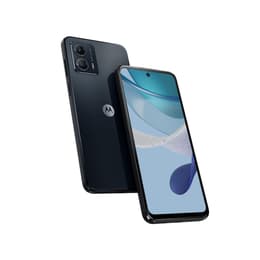
iPhone 16 Pro vs Motorola Moto G53
- 1-year warranty
- Free standard shipping
- Free 30-day returns
Differences at a glance
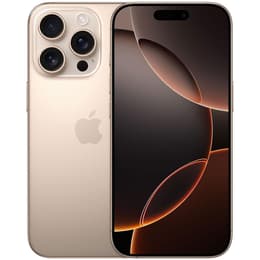
The iPhone 16 Pro (2025) and the Motorola Moto G53 (2023) represent distinct offerings in the smartphone market, catering to different user expectations and needs. While the iPhone 16 Pro operates on Apple's iOS, known for its integrated ecosystem and premium features, the Moto G53 runs on Android, offering a more open and customizable experience. The primary differentiators lie in their performance capabilities, display technology, and camera systems, reflecting their respective market segments.
Available Models
Colour
Storage (GB)
Scores
Durability
The expected practical lifespan of a smartphone is influenced by its release timeline, software support, and physical durability.
- Release Timeline and OS Support: The iPhone 16 Pro, released in late 2025, benefits from Apple's extended software support, typically receiving major iOS updates for 6-7 years. This ensures access to the latest features and security patches for a prolonged period. In contrast, the Motorola Moto G53, launched in late 2022, generally receives 2-3 major Android updates, offering a shorter window for new software features.
- Software Longevity: Users prioritizing long-term software relevance and security updates will find the iPhone 16 Pro's extended support more appealing. The Moto G53's update policy, while adequate for its segment, means it will reach its end-of-life for major Android versions sooner.
- Physical Durability: The iPhone 16 Pro features a robust build, including Ceramic Shield protection for the display and IP68 water and dust resistance, designed to withstand daily wear and tear. The Moto G53, while featuring a solid plastic build and a water-repellent design (IP52 rating), offers protection against splashes and light rain rather than full submersion.
Release year
2024
2022
Compatible with latest Update
Yes
Yes
Foldable
No
No
Performance
Performance is a key area where these two devices diverge significantly, impacting everything from app responsiveness to demanding tasks.
- Processor Capabilities: The iPhone 16 Pro is equipped with a current-generation processor, delivering substantial power for demanding applications, intensive multitasking, and advanced mobile gaming. This allows for smooth operation even with graphically intensive games and professional-grade creative tools. The Moto G53, powered by a mid-range processor, handles everyday tasks like browsing, social media, and streaming content adequately. However, it may exhibit slower loading times and occasional stutters with more resource-intensive applications or heavy multitasking.
- System Responsiveness: The iPhone 16 Pro offers consistently fluid navigation and rapid app launches, maintaining high performance even under heavy load. The Moto G53 provides a generally responsive experience for typical usage, though users accustomed to higher-tier devices might notice a difference in speed and fluidity during rapid transitions or when switching between many open applications.
- Storage and RAM: Both devices offer various storage configurations. The iPhone 16 Pro typically comes with ample RAM, contributing to its strong multitasking capabilities. The Moto G53 is available with different RAM options, which can influence its ability to keep multiple apps open simultaneously without needing to reload them.
Screen quality
The visual experience on these two smartphones is shaped by their distinct display technologies and specifications.
- Display Technology and Resolution: The iPhone 16 Pro features a Super Retina XDR OLED display, offering deep blacks, vibrant colors, and high contrast ratios. Its high resolution (2622x1206 pixels at 460 ppi) ensures sharp text and detailed images. The Moto G53 uses an IPS LCD panel with a lower resolution (720x1600 pixels at approximately 270 ppi). This difference means the iPhone 16 Pro provides a noticeably clearer and more detailed visual experience.
- Brightness and Outdoor Visibility: The iPhone 16 Pro boasts high peak brightness levels, reaching up to 2000 nits for outdoor use and 1600 nits for HDR content, ensuring excellent visibility even in bright sunlight. The Moto G53's display offers moderate brightness, which may be less optimal for direct sunlight conditions.
- Refresh Rate: The iPhone 16 Pro incorporates ProMotion technology, providing an adaptive refresh rate up to 120Hz for smooth scrolling and responsive interactions. The Moto G53 also features a 120Hz refresh rate, contributing to a smoother visual experience during scrolling and animations, despite its lower resolution.
Resolution
1206 x 2622
720 x 1600
Screen type
LTPO Super Retina XDR OLED
IPS LCD
Audiovisual
The camera systems on these devices offer different capabilities for capturing photos and videos.
- Camera System Capabilities: The iPhone 16 Pro features an advanced multi-camera system, including a 48MP main camera, a 48MP ultrawide camera, and a telephoto lens, offering versatility for various photographic scenarios. The Moto G53 is equipped with a dual-camera setup, typically featuring a 50MP main sensor and a 2MP macro sensor.
- Photography Performance: The iPhone 16 Pro excels in capturing detailed images with accurate colors and strong dynamic range across different lighting conditions, including challenging low-light environments. Its computational photography features enhance image quality. The Moto G53's main camera performs well in good lighting conditions, producing attractive photos. However, its low-light performance is more limited, and the 2MP macro lens offers less utility for detailed close-up shots.
- Video Recording Quality: The iPhone 16 Pro offers high-quality video recording, including 4K at 120fps with ProRes Log, providing extensive options for professional video capture and editing. The Moto G53 supports 1080p video recording at 30 frames per second, suitable for everyday video capture.
Main camera
48 megapixels
50 megapixels
Front camera
12 megapixels
8 megapixels
Miscellaneous
Beyond core features, several practical elements contribute to the overall user experience of these smartphones.
- Connectivity and Ports: Both devices support 5G connectivity. The iPhone 16 Pro features USB-C, Wi-Fi 7, and Bluetooth 5.3, offering modern and fast connectivity options. The Moto G53 includes USB-C, Wi-Fi 5, and Bluetooth 5.1. The iPhone 16 Pro also supports Ultra-wideband and Thread for enhanced spatial awareness and smart home integration.
- Biometric Security: The iPhone 16 Pro relies on Face ID for secure facial recognition. The Moto G53 typically features a side-mounted fingerprint sensor for biometric authentication.
- Build Materials and Handling: The iPhone 16 Pro utilizes premium materials like a titanium frame, contributing to a lighter yet durable design. Its dimensions and weight are carefully balanced for comfortable handling. The Moto G53 features a plastic body, which contributes to its overall lighter feel and robust construction.
Weight
199 oz
183 oz
Screen size (in)
6.3
6,5
Network
5G
5G
SIM card
Physical SIM + eSIM
Dual Physical SIM
Carrier compatibility
Unlocked
Unlocked
Connector
USB-C (USB 3)
USB-C + Jack 3.5mm
What the community thinks
The iPhone 16 Pro and Motorola Moto G53 cater to distinct user profiles, with their strengths lying in different areas. User feedback for the iPhone 16 Pro often highlights its exceptional display quality, powerful performance for demanding tasks, and advanced camera capabilities. Users appreciate the smooth iOS experience and the device's ability to handle intensive applications and high-quality media creation. Some criticisms occasionally mention the learning curve for new iOS users or the perceived lack of significant innovation for those upgrading from very recent Pro models.
For the Motorola Moto G53, common praise points include its reliable battery life, clean Android interface, and 5G connectivity at a more accessible point. Users find it suitable for everyday communication, browsing, and media consumption. Frequent criticisms often revolve around its lower display resolution, which can impact the sharpness of content, and its more modest camera performance in challenging conditions.
Users prioritizing cutting-edge performance, a top-tier display, and advanced photography and videography features will find the iPhone 16 Pro well-suited to their needs. Its extended software support also appeals to those seeking long-term device longevity. Conversely, users who prioritize a long-lasting battery, a straightforward Android experience, and reliable performance for essential smartphone functions may lean toward the Motorola Moto G53. This device is a practical choice for those who value core functionality and an eco-friendly, quality-assured refurbished option.