
Compare models

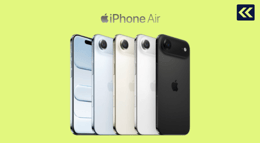
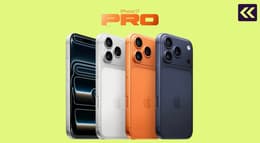
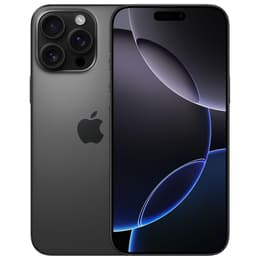
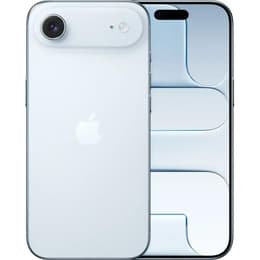
iPhone 16 Pro Max vs iPhone Air

  • 1-year warranty
  • Free standard shipping
  • Free 30-day returns
iPhone 16 Pro Max
Starting at

Refurbished price:A$1,260.00

Versus A$2,149.00 new

See options
iPhone Air
Starting at

Refurbished price:A$1,061.00

Versus A$1,899.00 new

See options

Differences at a glance

The iPhone 16 Pro Max (2024) and the iPhone Air (2025) represent two distinct design philosophies within Apple's smartphone lineup, balancing maximum hardware capability against streamlined minimalism. While the iPhone 16 Pro Max focuses on a massive display and a versatile multi-lens camera system, the iPhone Air prioritizes an ultra-thin profile and light physical footprint. Both devices run on iOS and support modern software ecosystems, but they cater to entirely different user expectations regarding daily carry and feature sets.

Available Models

Colour

Storage (GB)

Scores

Durability

Both models benefit from long-term software support and robust construction standards, though their physical designs introduce different considerations for long-term ownership.

  • Software longevity: Both devices receive multi-year operating system updates and security patches, ensuring identical software feature lifecycles from Apple.
  • Build durability: The iPhone 16 Pro Max uses a textured glass back and titanium frame with high resistance to daily wear, whereas the iPhone Air adopts a significantly thinner titanium build paired with reinforced ceramic glass protection on both sides.
  • Repairability: Both models maintain similar internal modularity standards governed by Apple's repair framework, ensuring components can be serviced through authorized channels over their lifespan.

Release year

2024

2025

Compatible with latest Update

Yes

Yes

Foldable

No

No

Performance

Under everyday conditions, both devices handle demanding apps, multitasking, and resource-heavy mobile games smoothly without noticeable stutter or lag.

  • System responsiveness: Both models load heavy applications instantly and manage background processes efficiently, supported by ample memory configurations for smooth multitasking.
  • Battery endurance: The larger chassis of the iPhone 16 Pro Max accommodates a higher-capacity battery for extended heavy use, while the ultra-slim profile of the iPhone Air relies on advanced power-efficient components to sustain everyday use.
  • Storage configurations: Both devices offer tiered high-capacity internal storage options suitable for large photo libraries, downloaded media, and offline documents.

Screen quality

Viewing experiences differ primarily in physical dimensions and peak environmental brightness capabilities rather than core color accuracy.

  • Display technology: Both models utilize advanced OLED panels featuring adaptive refresh rates up to 120Hz for smooth scrolling and responsive touch interactions.
  • Screen dimensions: The iPhone 16 Pro Max provides a larger 6.9-inch viewing area suited for split-screen tasks and media immersion, while the iPhone Air features a balanced 6.5-inch panel.
  • Outdoor visibility: Both screens reach high peak brightness levels to maintain clarity and legibility under direct sunlight.

Resolution

1320 x 2868

2736x1260

Screen type

LTPO Super Retina XDR OLED

Super Retina XDR

Audiovisual

Imaging capabilities diverge significantly based on lens versatility and physical depth constraints.

  • Camera systems: The iPhone 16 Pro Max incorporates a triple-lens setup including a dedicated optical zoom telephoto lens and an ultra-wide sensor, whereas the iPhone Air utilizes a single high-resolution main camera system.
  • Video recording: Both phones capture high-resolution video with advanced stabilization features, though the Pro Max offers specialized professional framing options and high-frame-rate recording modes.
  • Audio output: Both models deliver clear stereo sound through integrated speaker arrays, providing balanced audio for calls and casual media playback.

Main camera

48 megapixels

48 megapixels

Front camera

12 megapixels

18 megapixels

Miscellaneous

Physical dimensions and connectivity standards determine how each device integrates into daily workflows and travel routines.

  • Handling and weight: The iPhone 16 Pro Max has a heavier and wider footprint designed for maximum screen real estate, while the iPhone Air emphasizes a remarkably lightweight and thin profile that reduces pocket bulk.
  • Connectivity: Both models support fast 5G cellular networks, modern Wi-Fi standards, and secure facial recognition authentication.
  • Port standards: Both devices use a universal USB-C connector for wired charging and data transfer alongside wireless charging compatibility.

Weight

227 oz

165 oz

Screen size (in)

6.9

6.5

Network

5G

5G

SIM card

eSIM

eSIM

Carrier compatibility

Unlocked

Unlocked

Connector

USB-C (USB 3)

USB-C

What the community thinks

User feedback highlights distinct preferences when choosing between these two devices. Owners of the iPhone 16 Pro Max frequently praise its expansive display, long battery endurance, and versatile multi-lens camera system, though some note its heavier weight and bulky footprint in smaller pockets. Conversely, users of the iPhone Air appreciate its exceptionally slim build and lightweight feel, though they occasionally mention the single-lens camera and smaller battery capacity as trade-offs for its sleek profile. Choosing a quality-assured refurbished option through sustainable platforms like Back Market offers an eco-friendly alternative for acquiring either model while reducing electronic waste.

Users who prioritize maximum photographic versatility, expansive screen space, and extended battery endurance will find the iPhone 16 Pro Max well-suited to their daily routines. Meanwhile, users who value a lightweight, ultra-thin device that minimizes pocket bulk will lean toward the iPhone Air. Evaluating personal preferences regarding daily handling and camera usage will guide the final decision between these two distinct designs.
Our recent comparisons