iPhone
Compare models
Differences at a glance
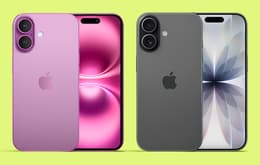
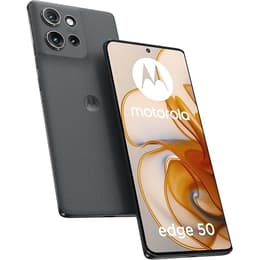
The iPhone 16 Plus, released in September 2024, and the Motorola Edge 50 Pro, launched in April 2024, represent distinct approaches to the modern smartphone experience. While both devices offer advanced features, they cater to different user preferences through their respective operating systems and hardware philosophies. The iPhone 16 Plus operates on Apple's iOS, emphasizing a cohesive ecosystem and integrated services, whereas the Motorola Edge 50 Pro runs on Android, known for its customization options and open platform. Key differentiators include their camera systems, display technologies, and charging capabilities.
Colour
Storage
When considering the long-term usability of these devices, both the iPhone 16 Plus and the Motorola Edge 50 Pro offer robust foundations, though their software support lifecycles differ. The iPhone 16 Plus, running on iOS 18, benefits from Apple's reputation for extended software updates, typically spanning five to six years from its release. This ensures access to the latest features and security enhancements for a considerable period. The Motorola Edge 50 Pro, launched with Android 14, is expected to receive up to three major Android OS upgrades, providing a solid, though shorter, window of guaranteed software evolution.
Release year
Compatible with latest Update
Foldable
The performance of a smartphone is crucial for daily tasks, and both the iPhone 16 Plus and the Motorola Edge 50 Pro deliver responsive experiences, albeit powered by different internal architectures. The iPhone 16 Plus is equipped with Apple's A18 chip, which provides substantial processing power for demanding applications, advanced computational photography, and smooth multitasking within the iOS environment. The Motorola Edge 50 Pro utilizes the Qualcomm Snapdragon 7 Gen 3, a capable processor that handles everyday usage, gaming, and multimedia editing efficiently within the Android ecosystem.
The visual experience is a primary interaction point for any smartphone, and both devices offer vibrant displays, each with distinct characteristics. The iPhone 16 Plus features a 6.7-inch OLED display, known for its deep blacks, high contrast, and accurate color reproduction. The Motorola Edge 50 Pro also boasts a 6.7-inch pOLED display, which stands out with its 144Hz refresh rate and high peak brightness, offering a particularly smooth and immersive viewing experience.
Resolution
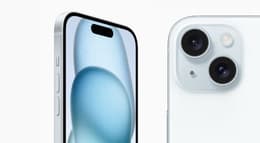
Photography and videography capabilities are significant factors for many users, and both smartphones provide advanced camera systems designed to capture high-quality content. The iPhone 16 Plus features a dual-camera setup with a 48MP main sensor and a 12MP ultrawide lens, now vertically aligned to support spatial video recording. The Motorola Edge 50 Pro offers a versatile triple-camera system, including a 50MP main sensor, a 13MP ultrawide lens that doubles as a macro camera, and a 10MP telephoto lens with 3x optical zoom.
Front camera
Beyond core features, several practical elements contribute to the overall user experience, and these devices present different approaches to connectivity, physical design, and user interaction. The iPhone 16 Plus has adopted a USB-C port, aligning with broader industry standards, and includes a new Capture Button for enhanced camera control. The Motorola Edge 50 Pro offers rapid charging solutions and a suite of connectivity options, alongside its distinct design.
Weight
Screen size (in)
Network
SIM card
Carrier compatibility
Connector
User feedback for the Motorola Edge 50 Pro often highlights its impressive display, particularly the 144Hz refresh rate and vibrant colors, as well as its exceptionally fast charging capabilities. Many users appreciate its clean Android interface and reliable day-to-day performance. Some common criticisms have included occasional camera app lag, though updates have reportedly addressed this for some users, and the curved display can sometimes lead to accidental touches. The absence of an always-on display has also been noted by some.
For the iPhone 16 Plus, user expectations and initial reviews often praise its seamless integration within the Apple ecosystem, the introduction of Apple Intelligence features, and the enhanced camera capabilities, including spatial video recording and the new Capture Button. The extended software support is a consistent advantage. Potential concerns might revolve around the battery capacity, which, despite efficiency improvements, is numerically smaller than its predecessor, and the continued reliance on a standard refresh rate display.
Users prioritizing a highly customizable Android experience with rapid charging and a high refresh rate display may find the Motorola Edge 50 Pro well-suited to their needs. Conversely, individuals who value a long-term software commitment, a tightly integrated ecosystem, and advanced computational photography with unique features like spatial video will likely lean towards the iPhone 16 Plus. Both devices offer compelling features, and choosing between them often comes down to personal preference for operating system and specific feature priorities. For those seeking a quality-assured refurbished option, both models may become available, offering an eco-friendly alternative.